

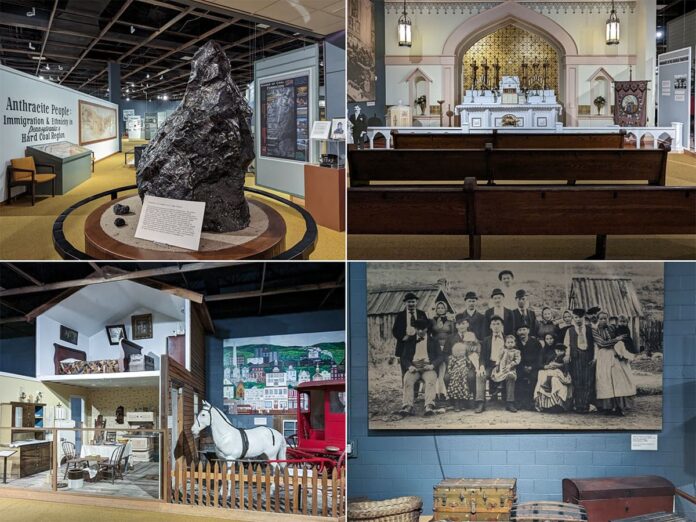
If you’re looking for information about visiting the Anthracite Heritage Museum in Scranton, you’re in the right place!
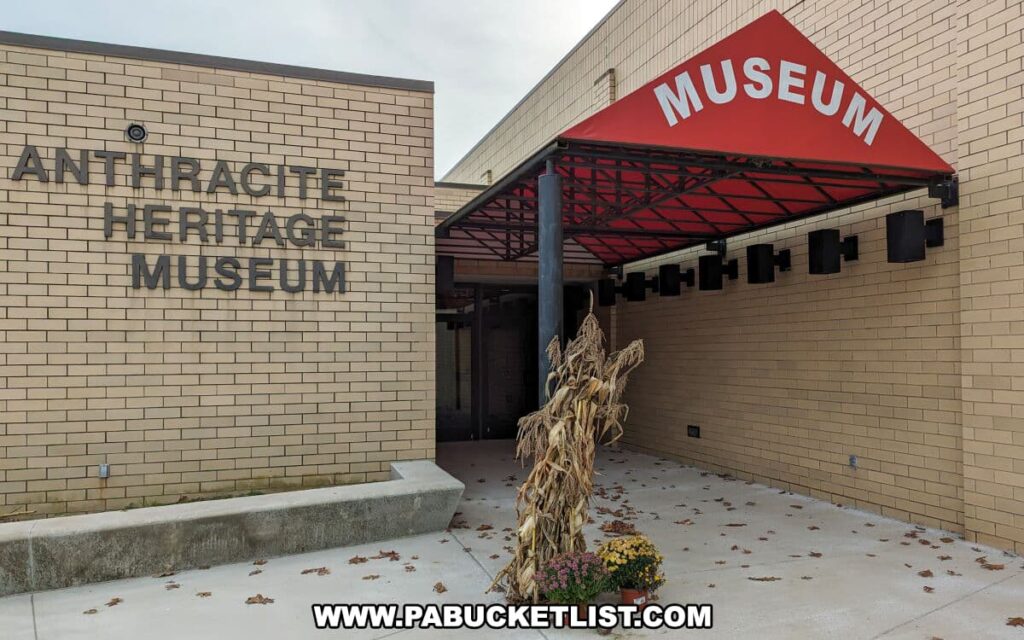
The Anthracite Heritage Museum preserves the history of the anthracite coal mining industry in northeastern PA, including the cultural legacy of the European immigrants who toiled to extract the region’s “black diamonds.”
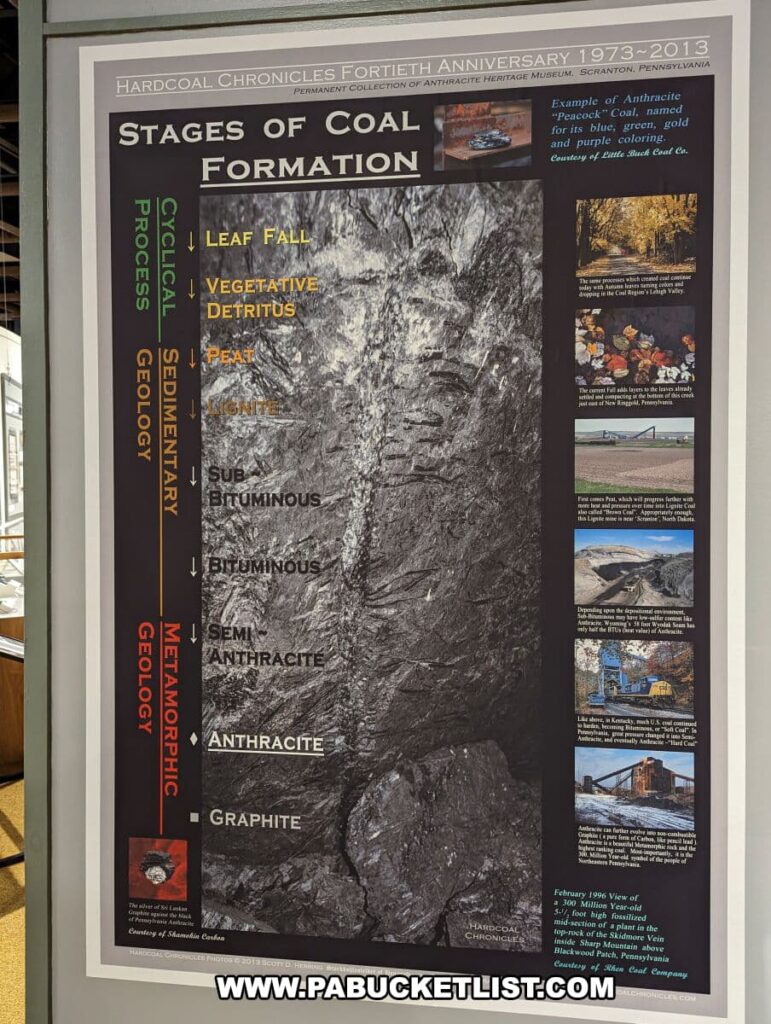
Visitors will discover the enormous contributions of the anthracite region to the nation’s industrial might, and come away with a deeper understanding of the cultural melting pot that these coal towns represented.
Hours | Directions | Admission Fees
The Anthracite Heritage Museum is located at 22 Bald Mountain Rd, Scranton, PA 18504.
The museum is open Friday – Sunday, 10 am to 4 pm from March through December.
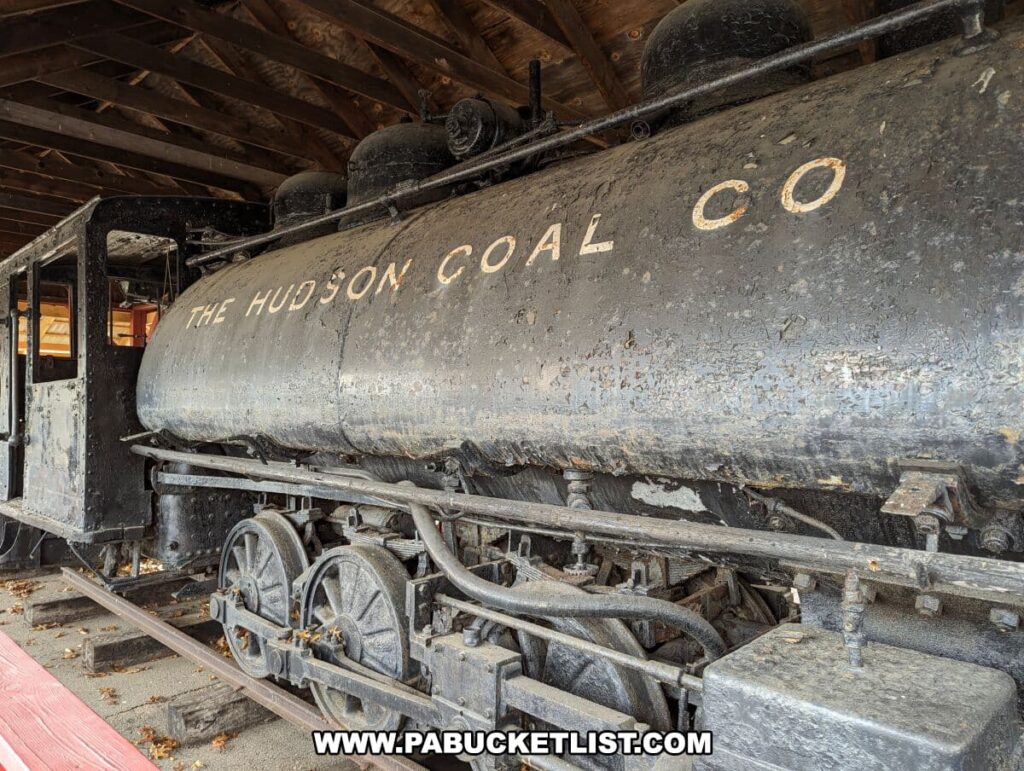
Admission fees are: General Admission (12-64 years of age): $7.00 | Senior (65+ years of age): $6.00 | Youth (3-11 years of age): $5.00 | Active Military Duty and Immediate Family: FREE.
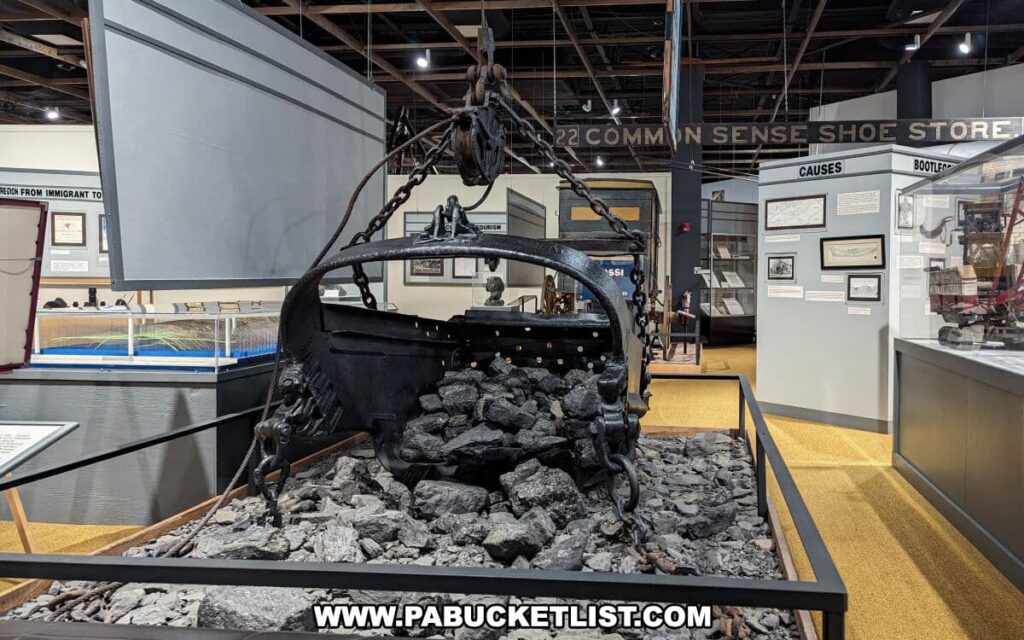
What You’ll See at the Museum
Each exhibit at the Anthracite Heritage Museum is a chapter from a bygone era, narrating the story of hard work, community, and the relentless pursuit of the American dream.
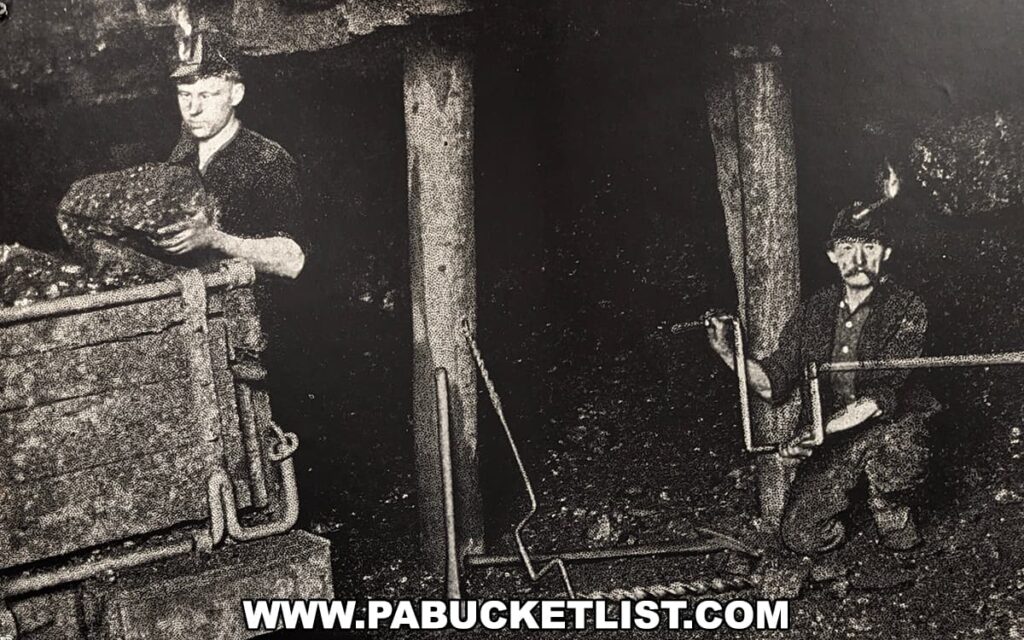
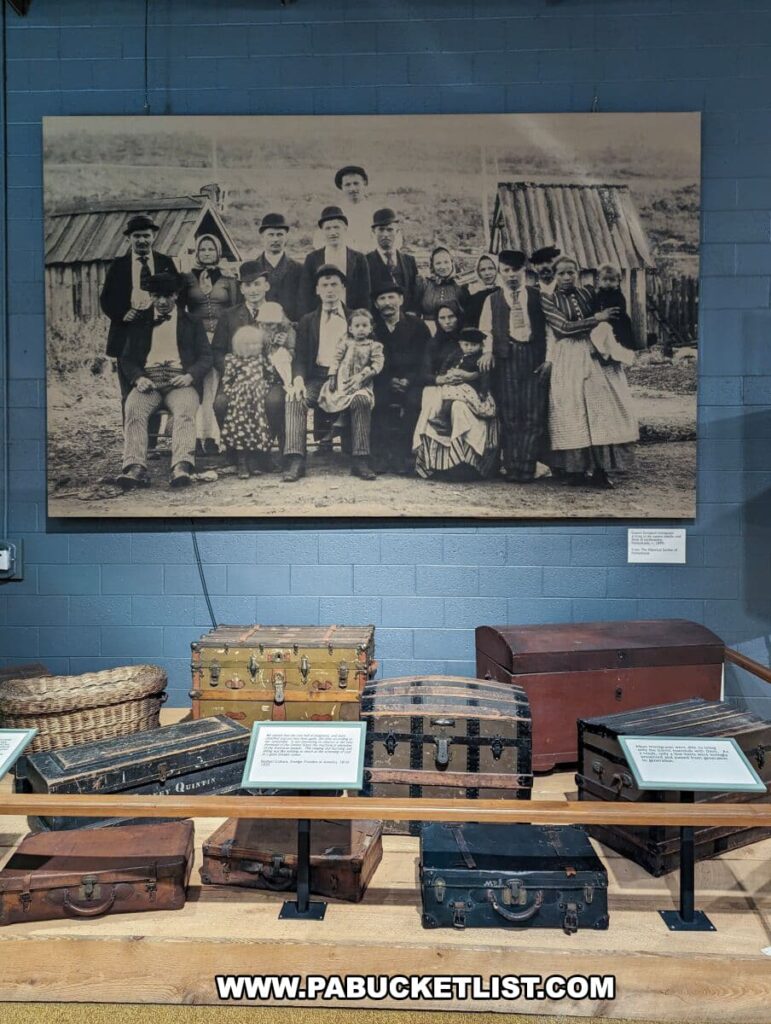
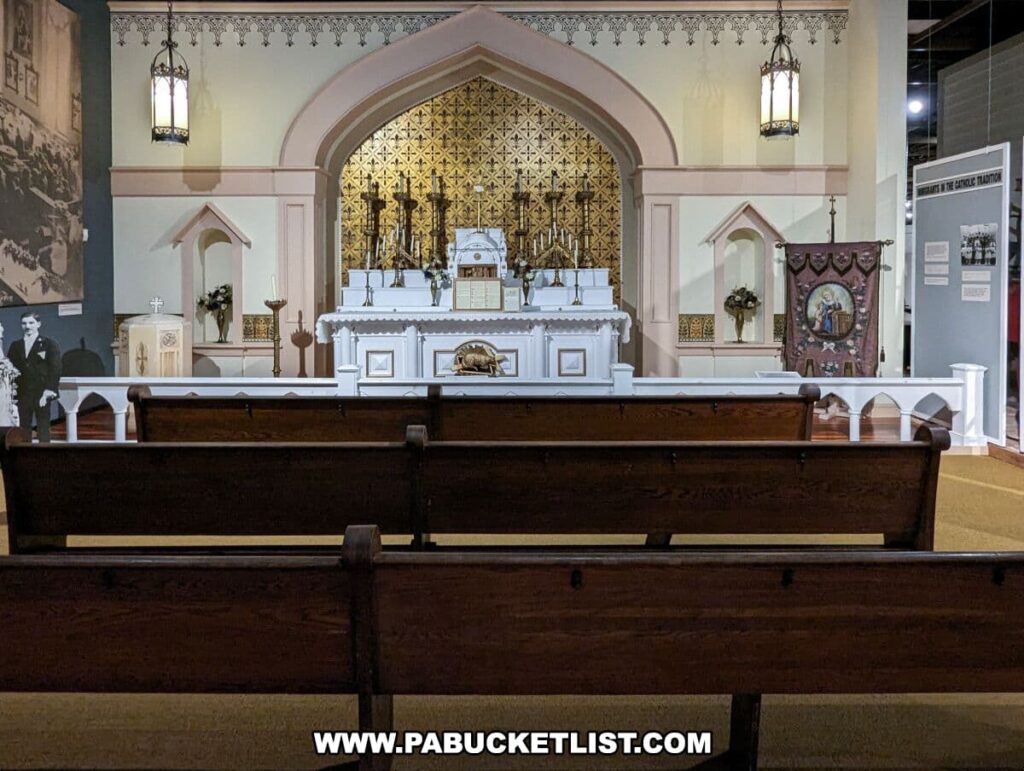
Anthracite People: Immigration & Ethnicity: This exhibit lays the foundation for understanding the diverse cultural tapestry of the coal mining region.
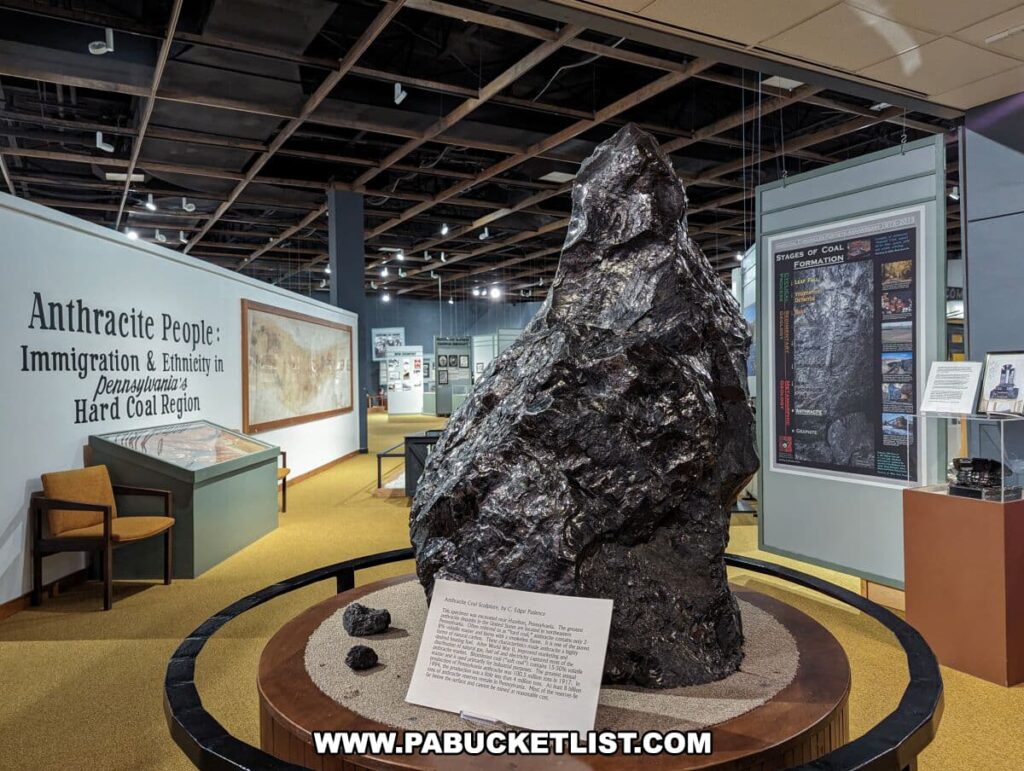
It showcases how waves of immigrants from Europe brought their traditions, work ethic, and hopes to the mines of Pennsylvania.
The Coal Mine and Its Community: Here, visitors can explore a full-size replica of a miner’s home, complete with furnishings and everyday items from the early 1900s.
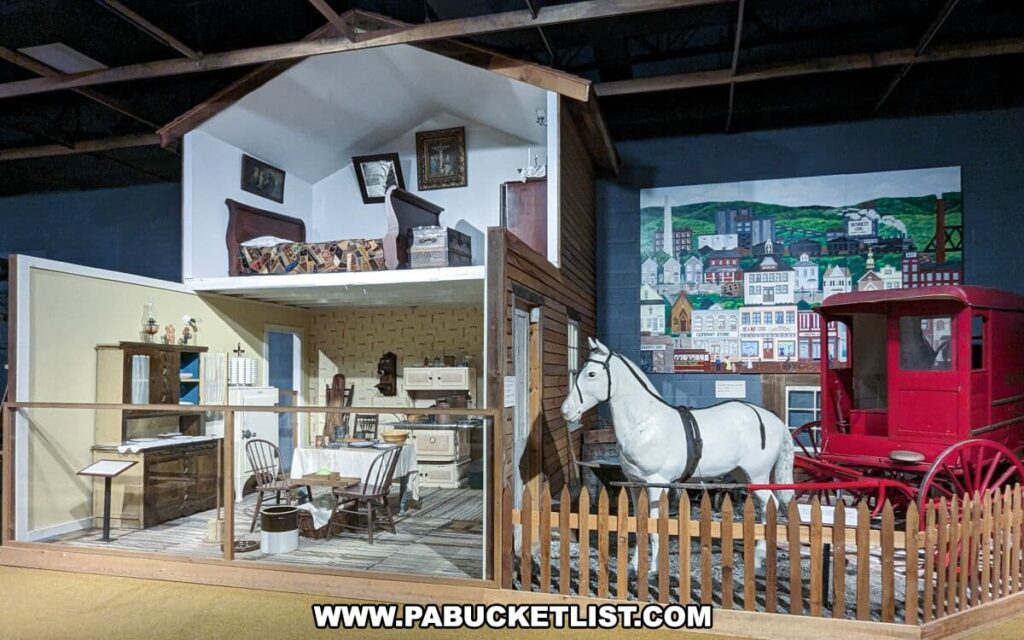
It’s a poignant portrayal of the simple, yet arduous lives of mining families.
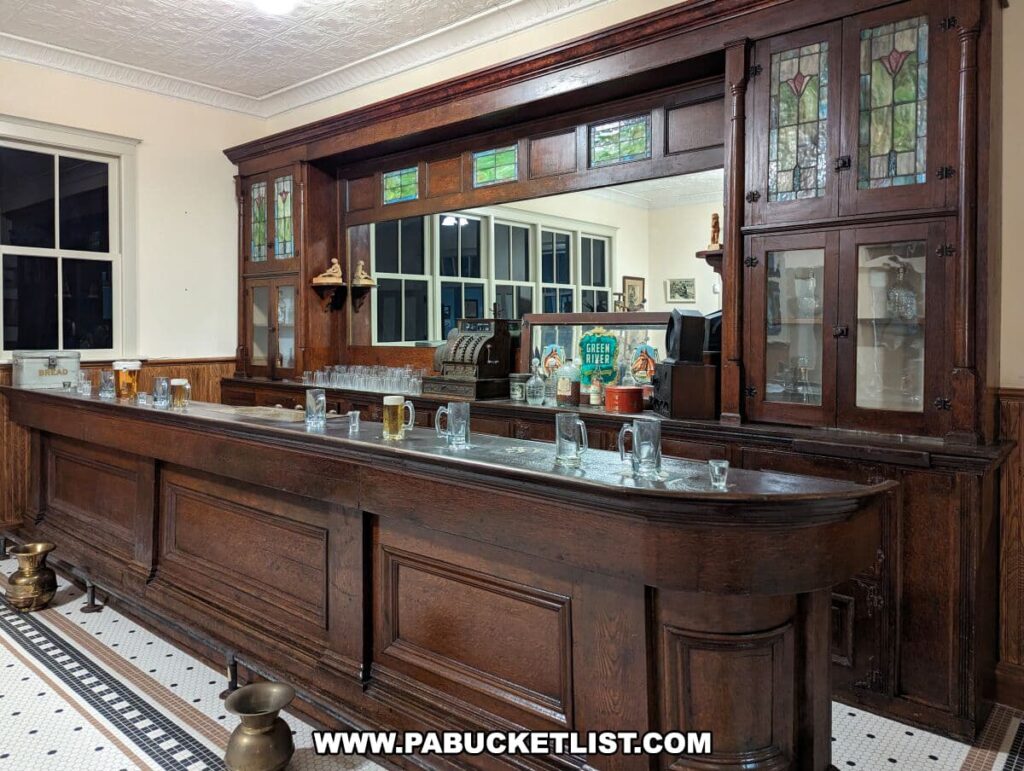
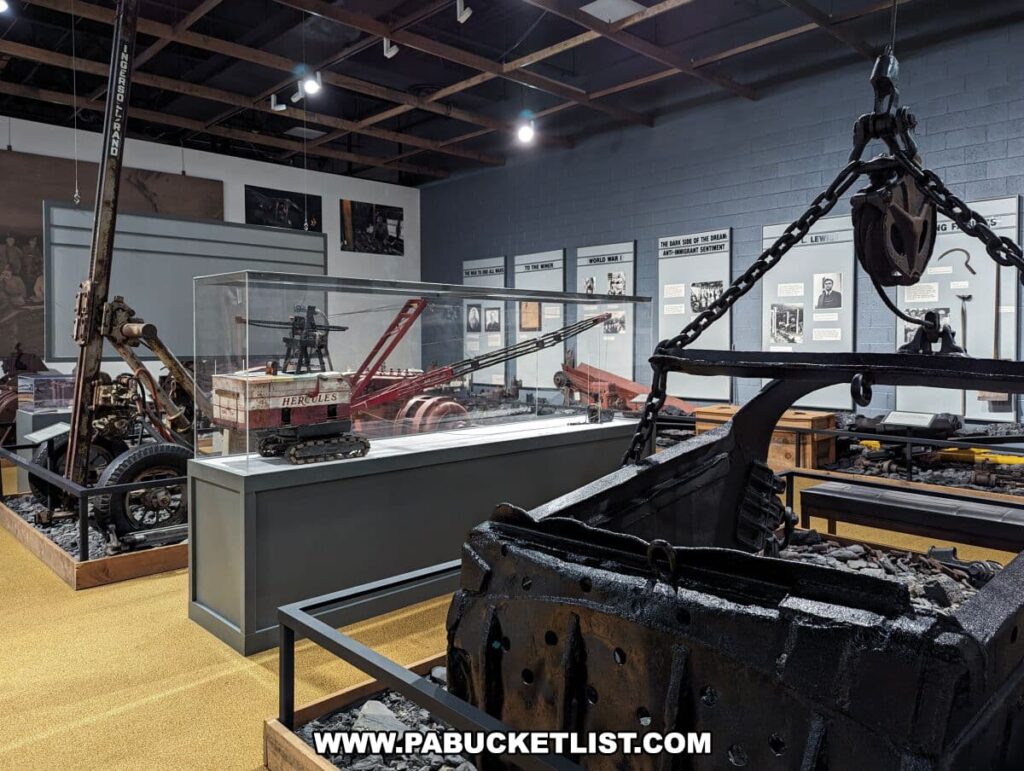
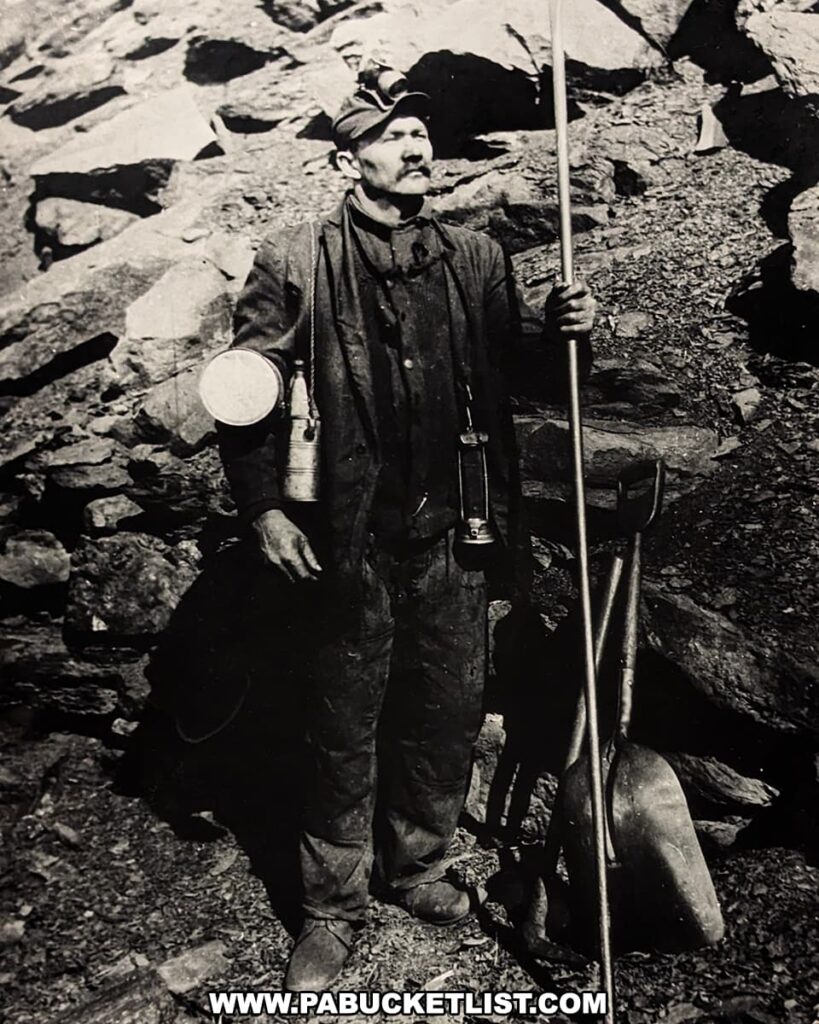
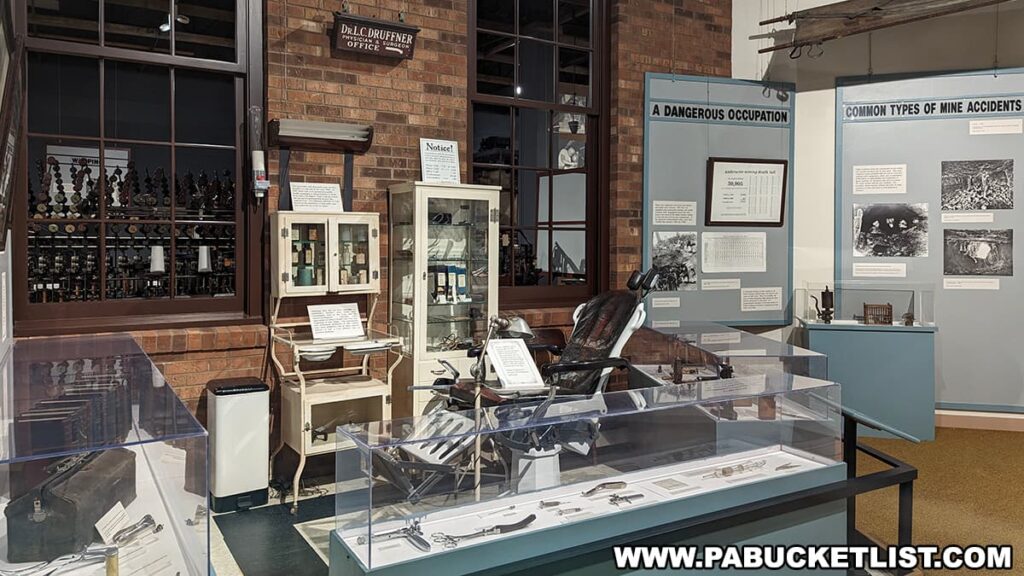
Mining Technology and Labor: This section includes an array of mining equipment, from primitive tools to advanced machinery.
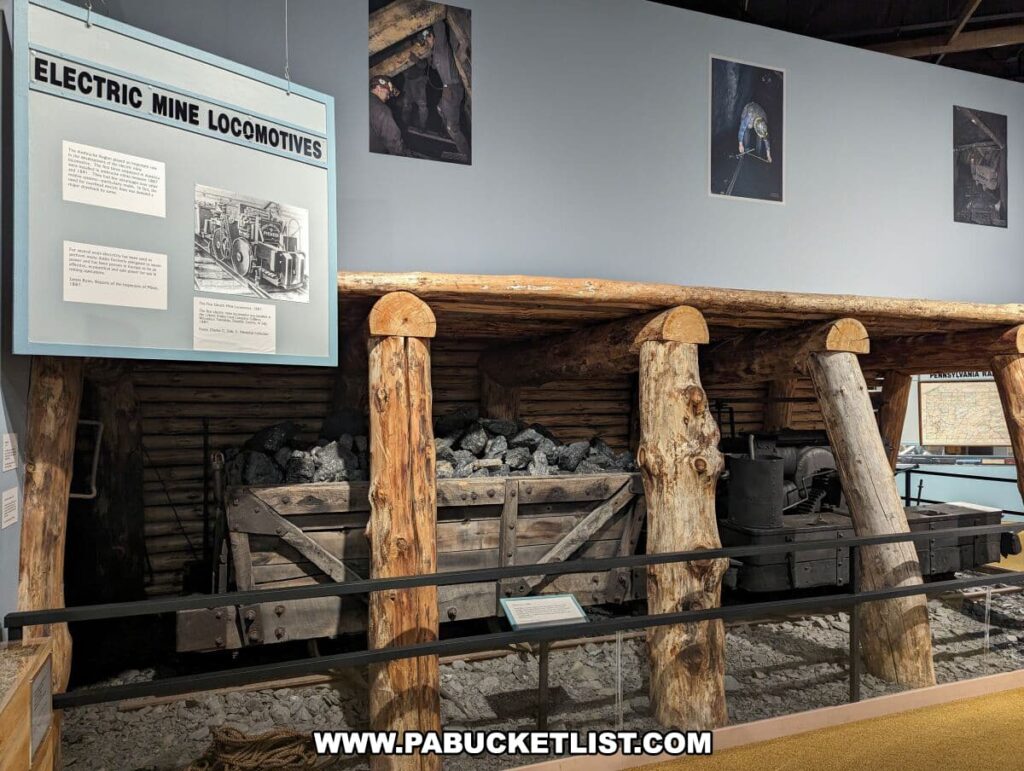
It offers insight into the evolution of mining techniques and the labor movement that arose in response to the hazardous working conditions.
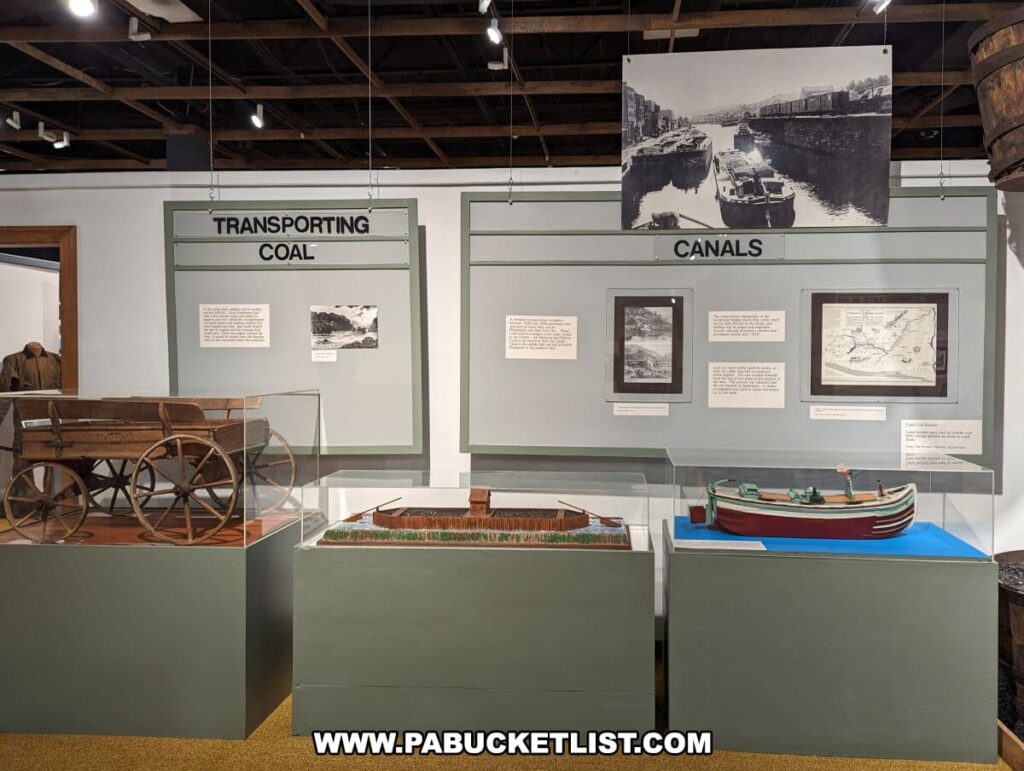
Transporting Coal: Learn about the various methods used to move coal from the mines to the market.
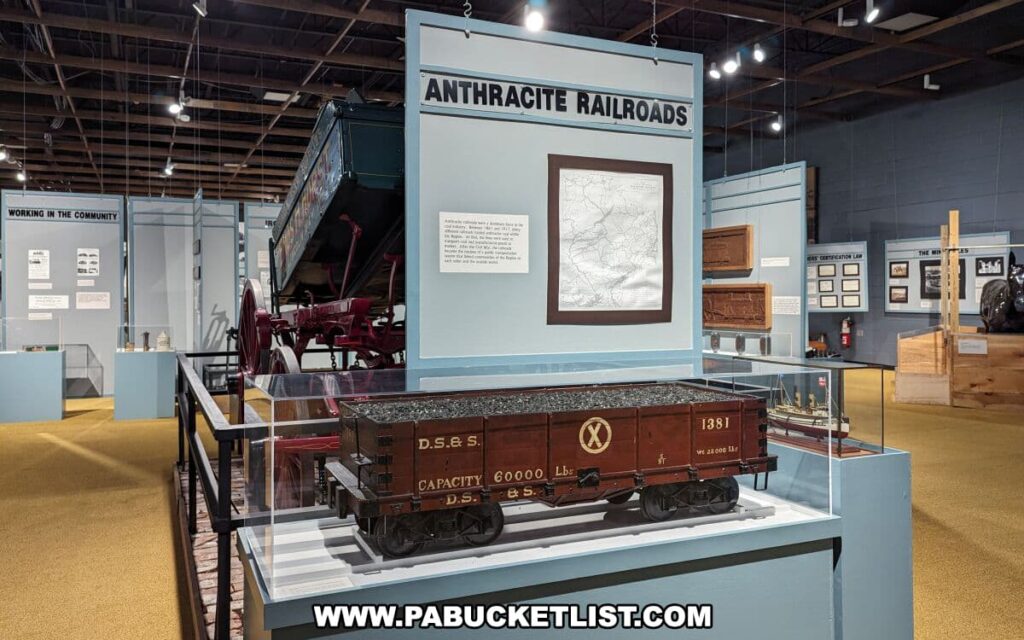
The displays on canal transportation and railroad advancements underline the significance of coal in developing the nation’s infrastructure.
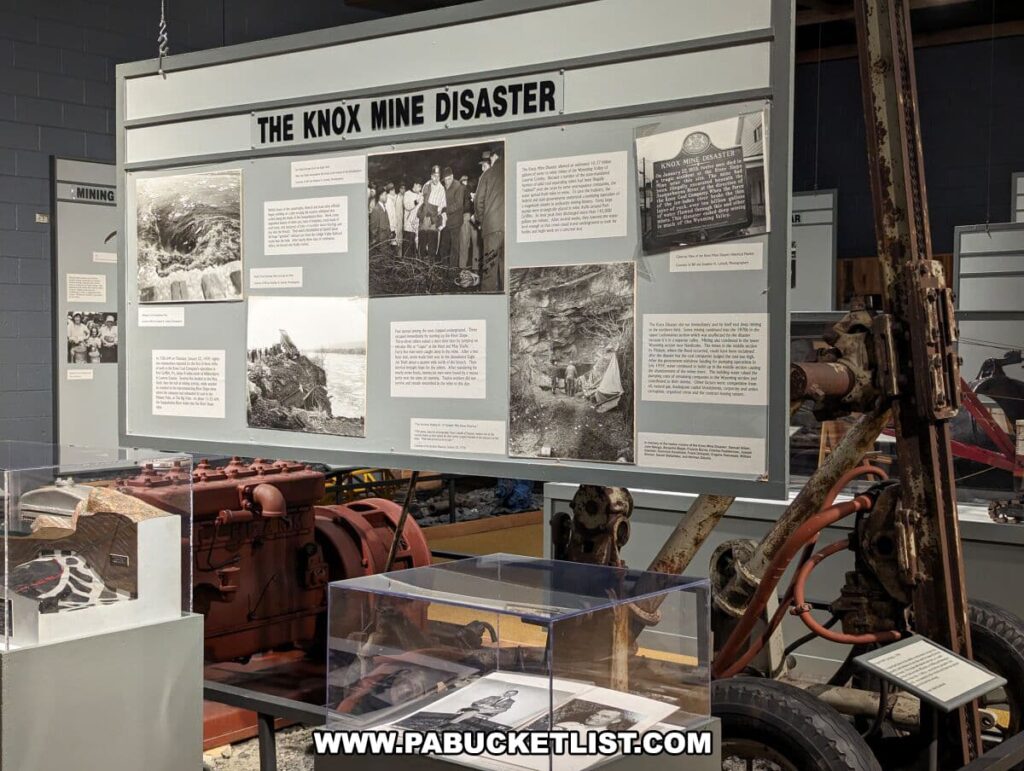
The Knox Mine Disaster: A somber reminder of the risks miners faced, this exhibit recounts the tragic events of January 1959, when the Susquehanna River broke through into the Knox Mine, marking the beginning of the end for large scale underground mining operations in the region.
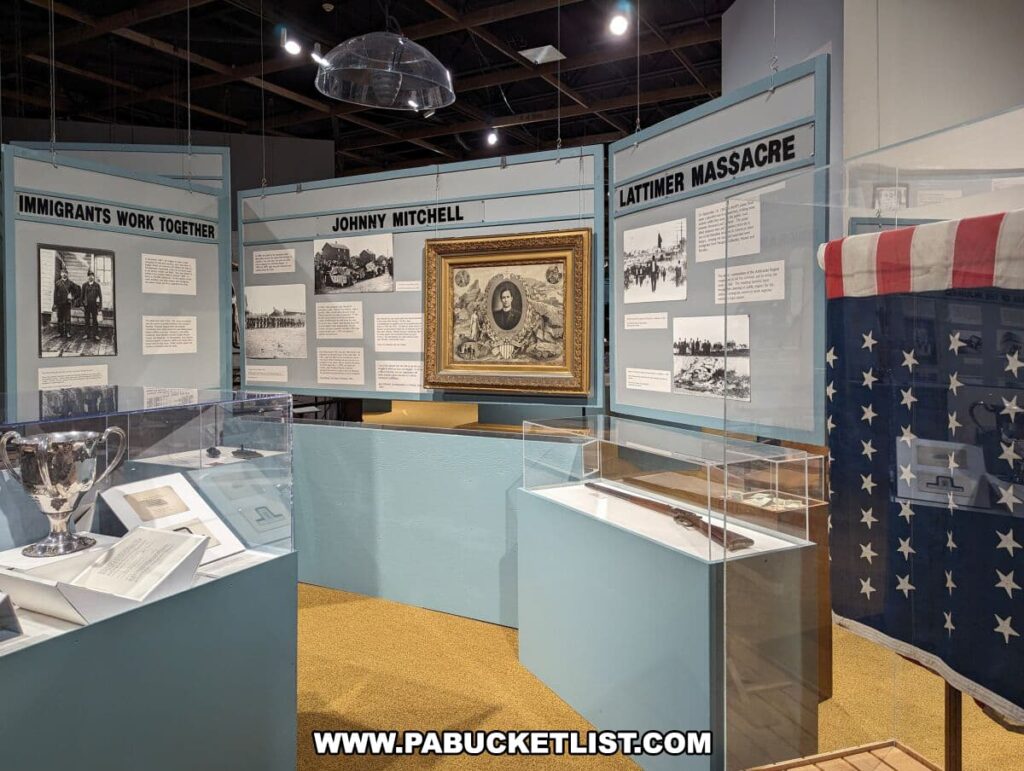
Memorializing the Labor Movement: The museum pays homage to figures like Johnny Mitchell and the events like the Lattimer Massacre, pivotal moments in labor history that contributed to the improvement of workers’ rights.
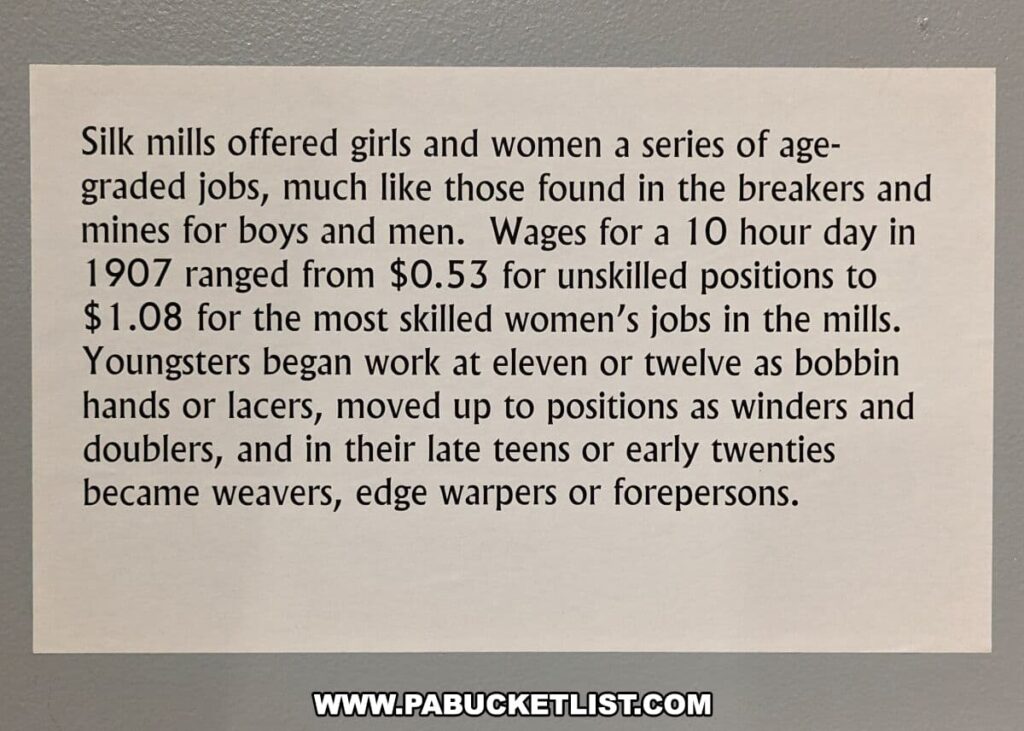
The Silk Industry: An often overlooked aspect of the region’s history, the silk industry flourished alongside coal mining.
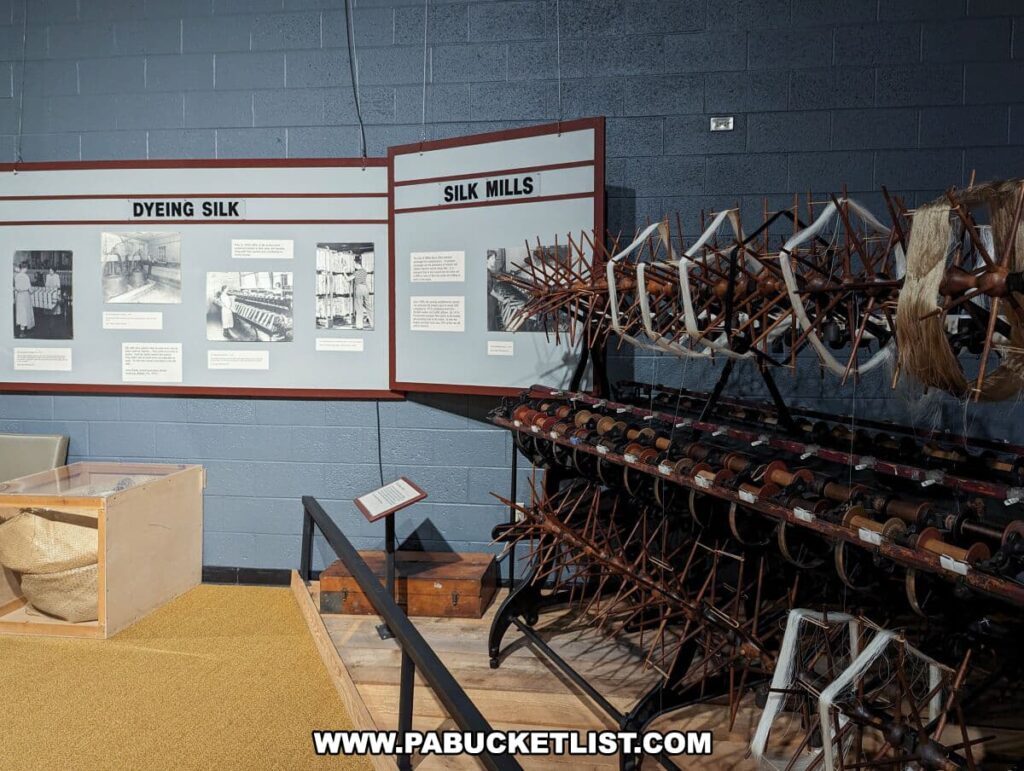
The museum delicately weaves the story of silk mills that provided employment opportunities, especially for women and children, showcasing textile machinery and detailed descriptions of the silk-making process.
Final Thoughts
The Anthracite Heritage Museum serves as a bridge connecting the past to the present, reminding us of the enduring strength and resilience of the human spirit.
Whether you’re a history buff, a student of industry, or someone seeking to connect with the roots of American labor, a visit to the Anthracite Heritage Museum in Scranton is a journey worth taking.
Nearby Attractions
16 Must-See Attractions in Lackawanna County showcases more remarkable sights and experiences near the Anthracite Heritage Museum.

A Smarter Way to Explore Pennsylvania
Explore Pennsylvania like a pro with the interactive PA Bucket List Travel Map, showcasing over 1,000 memorable destinations I’ve personally visited across the Keystone State.
Did you enjoy this article?
If so, be sure to like and follow PA Bucket List on Facebook, Instagram, and/or Pinterest to learn more about the best things to see and do in Pennsylvania!
Click on any of the icons below to get connected to PA Bucket List on social media.