

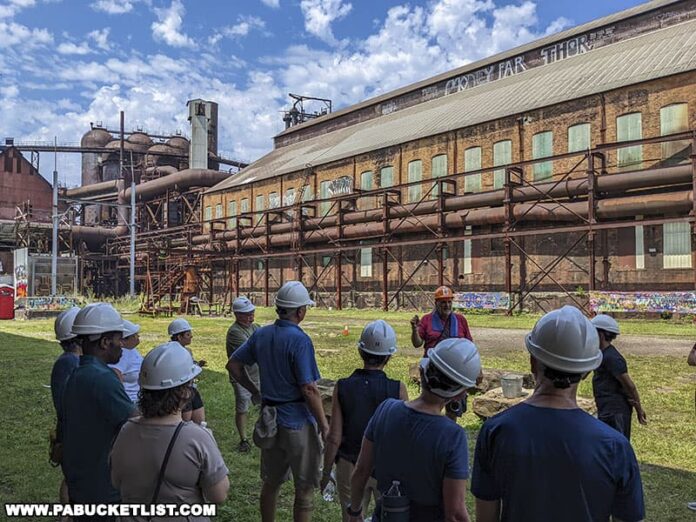
Touring the Carrie Blast Furnaces in Pittsburgh is a fantastic way to learn about the industrial heritage of southwestern Pennsylvania!
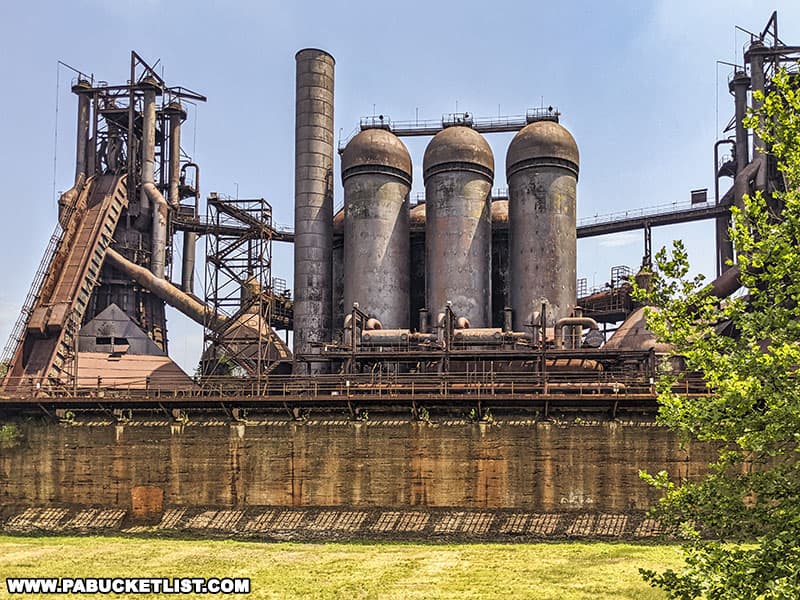
The Carrie Blast Furnaces were in operation from 1884 until 1982, turning iron ore into purified, molten iron which was then used as an ingredient in the steel-making process.
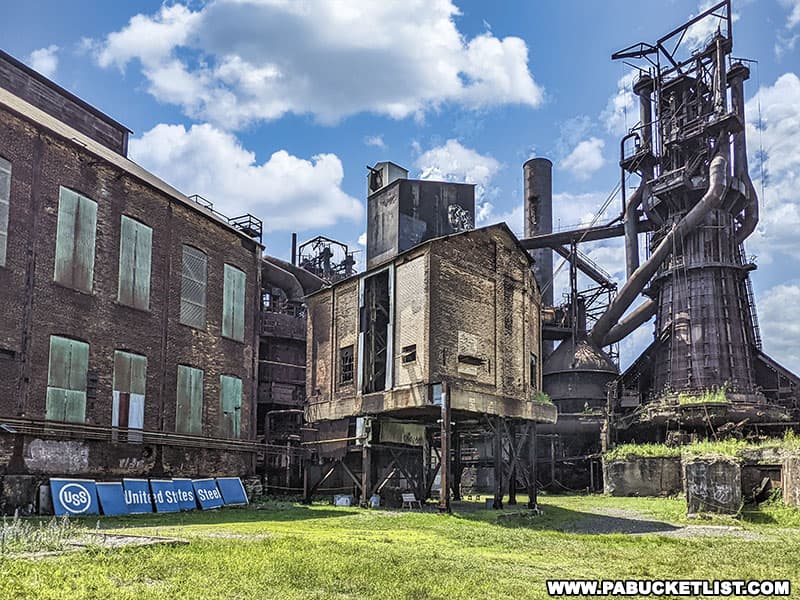
When the furnaces were closed in 1982, large swaths of the site met the wrecking ball.
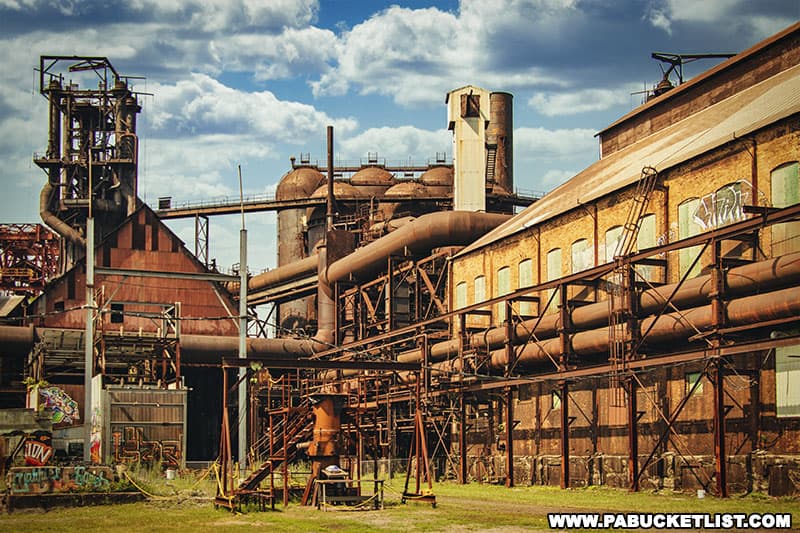
In 1988, a coalition of local citizens got together to try and preserve not only the remaining furnaces, but the local culture they represented.
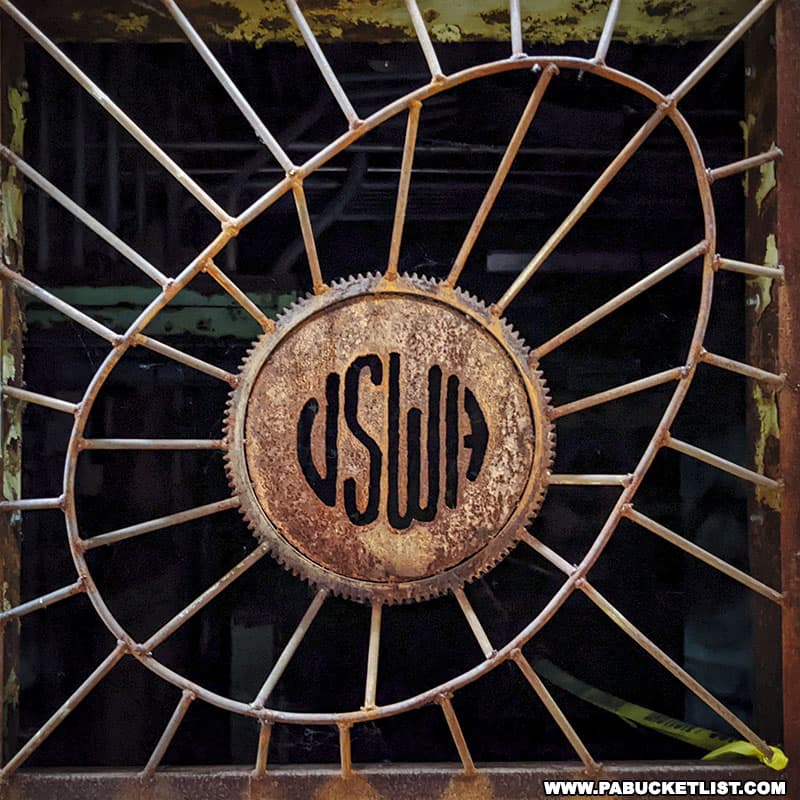
As a result, in 1996 the Rivers of Steel National Heritage Area was created by an act of Congress and the Commonwealth of Pennsylvania.
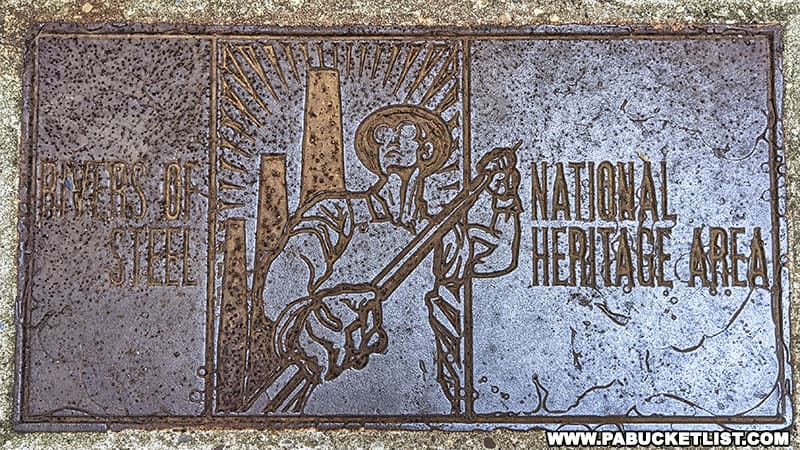
Today the Rivers of Steel nonprofit group puts on tours, workshops, exhibitions, and festivals at the Carrie Blast Furnaces, to promote tourism and economic development in the region, as well as preserving the site itself.
History of the Carrie Blast Furnaces
The Carrie Furnaces were named in honor of Carrie Clark, daughter of William Clark, a prominent figure in the Pittsburgh iron industry and the first president and manager of the furnaces.
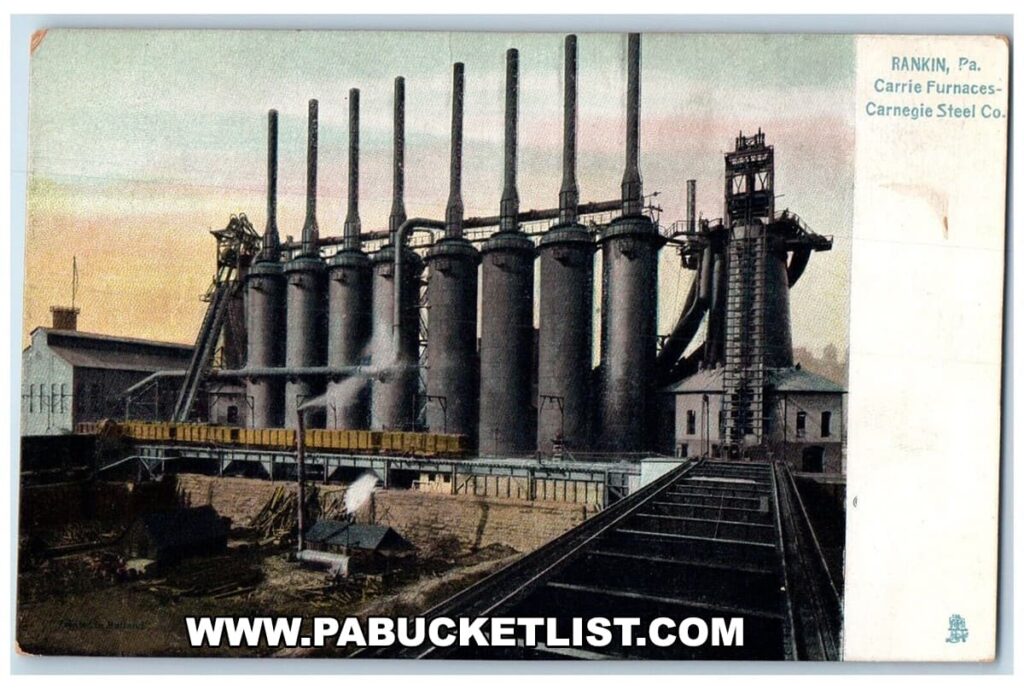
In the simplest of terms, the Carrie Blast Furnaces turned raw iron ore into purified, molten iron which could then be used in the steel-making process at the Homestead steel mills on the opposite side of the Monongahela River.
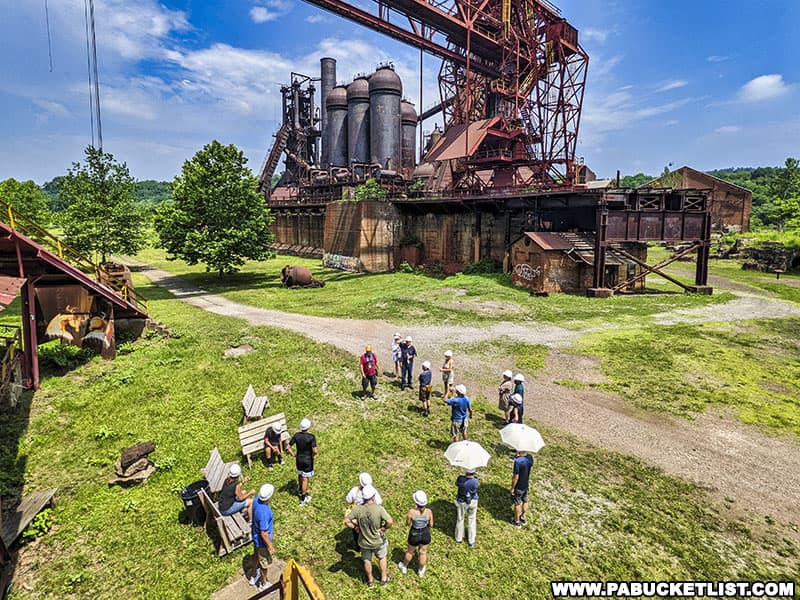
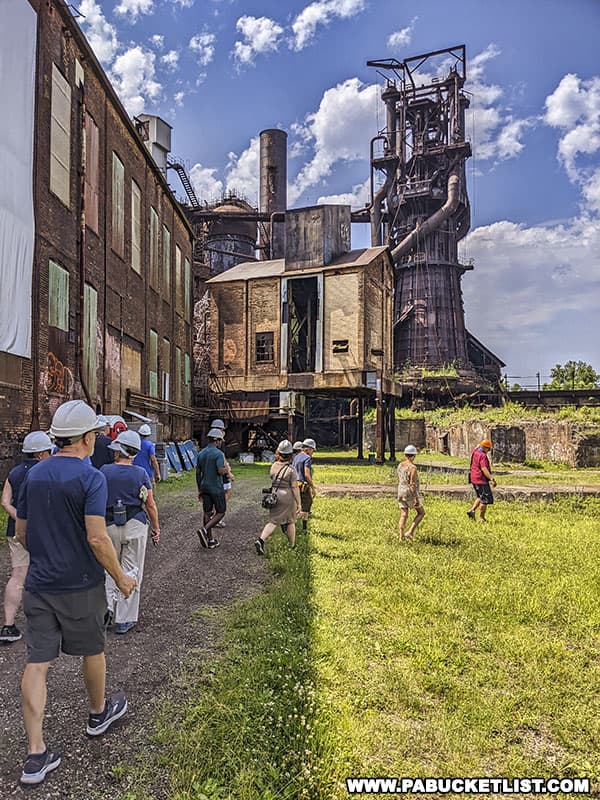
When I recently took the 2 hour “industrial tour” of the site, tour guide Adam did a superb job of explaining the processes that went on here.
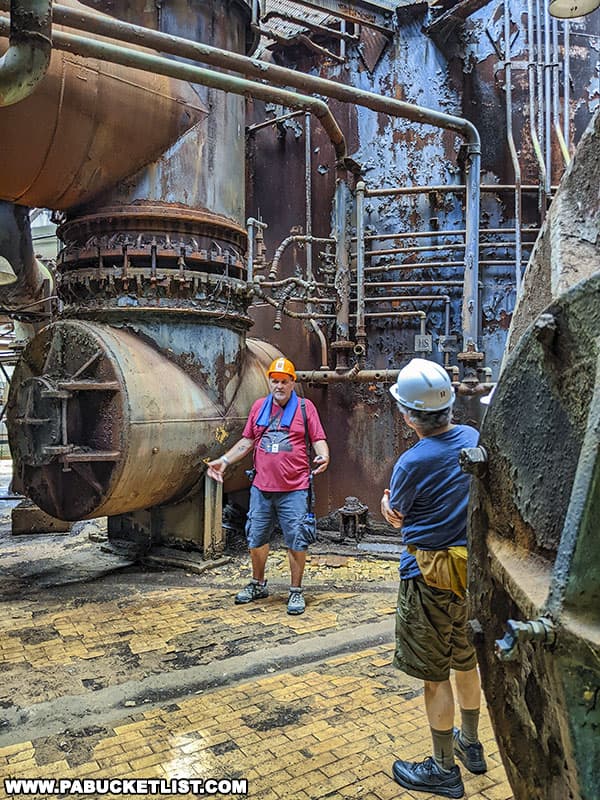
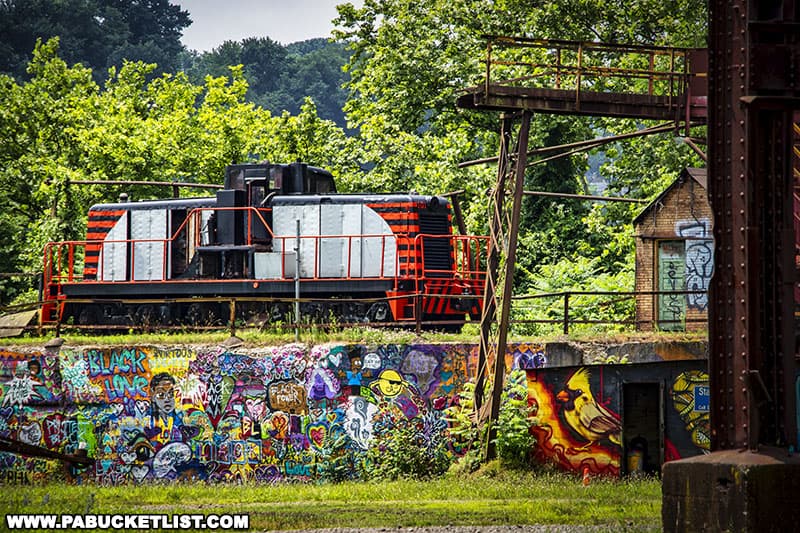
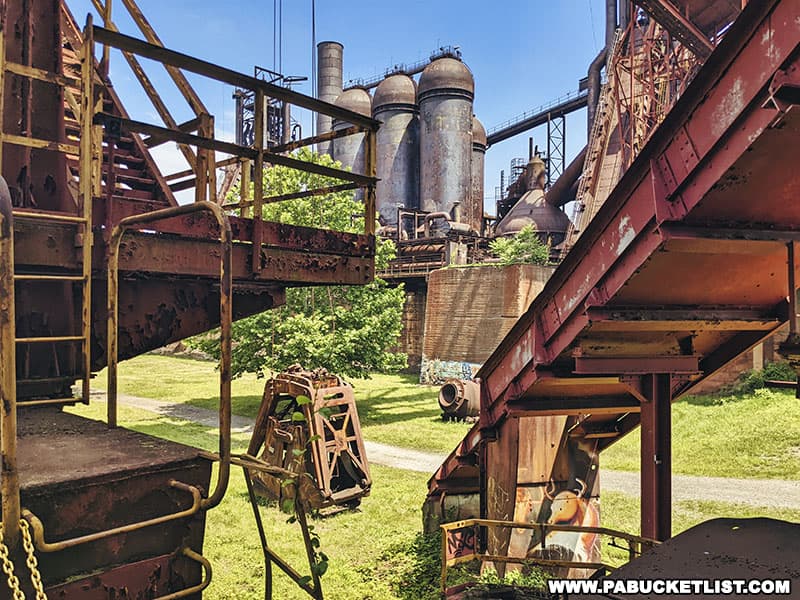
Many of the raw materials used in these processes arrived by rail, and the remnants of this rail infrastructure are included on the tour.
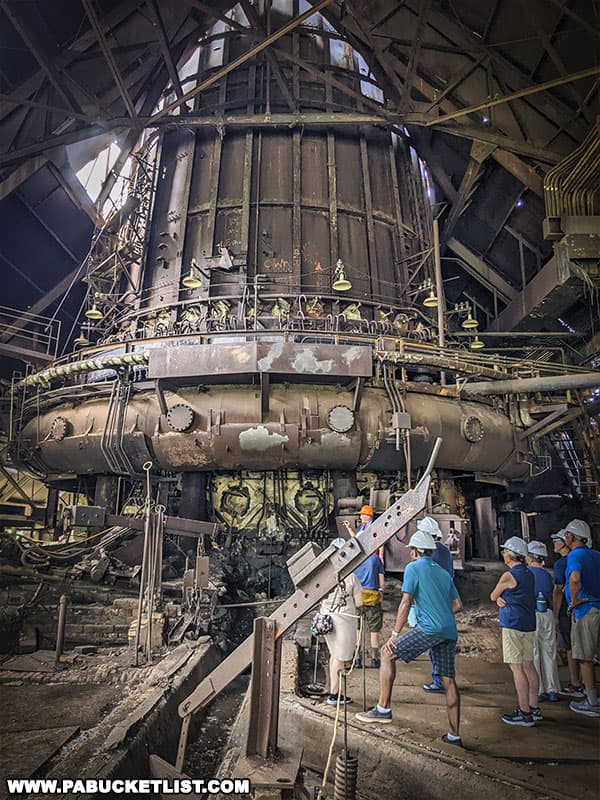
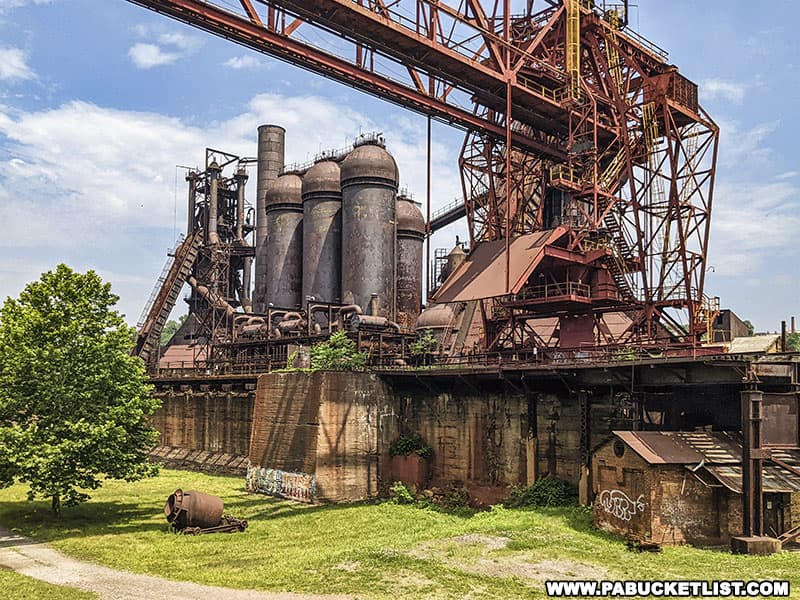
The two remaining blast furnaces (there were once seven of them) are MASSIVE, and standing at the base of them gives you a great sense of perspective.
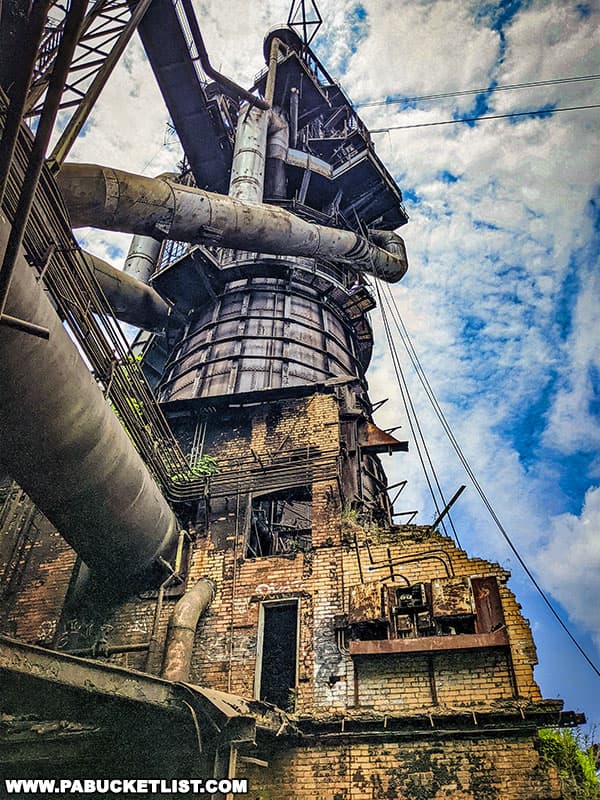
It was in these furnaces that iron ore was superheated into its molten state.
The molten iron was then poured into special rail cars known as “torpedo cars”, owing to their unique shape.
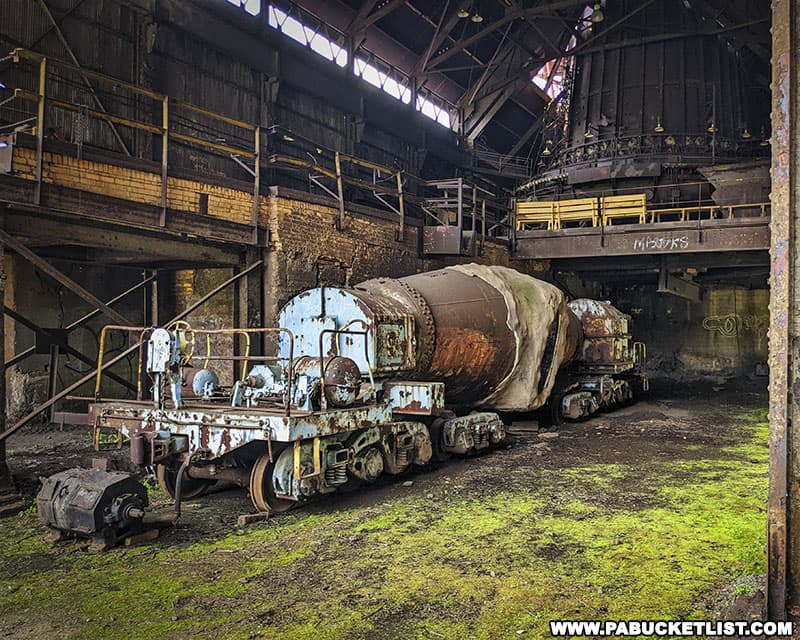
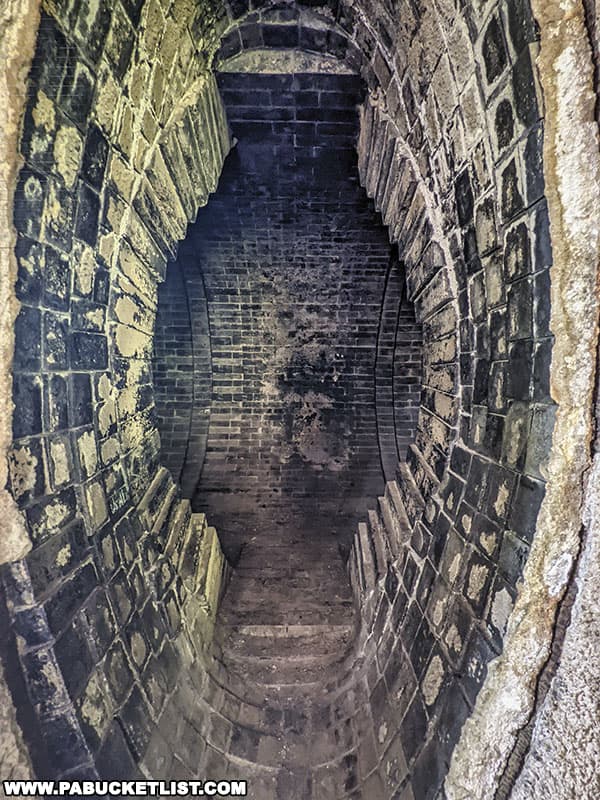
The torpedo cars were lined with refractory bricks (bricks that can withstand high temperatures) that would keep the iron in its molten state while it was transported across the nearby “hot metal bridge” to the steel mills on the opposite side of the Monongahela River.
This was hot, dangerous, back-breaking work, and these historic furnaces played a critical role in Pittsburgh’s rise to dominance in 20th century steel production.
Industrial Art and the Carrie Blast Furnaces
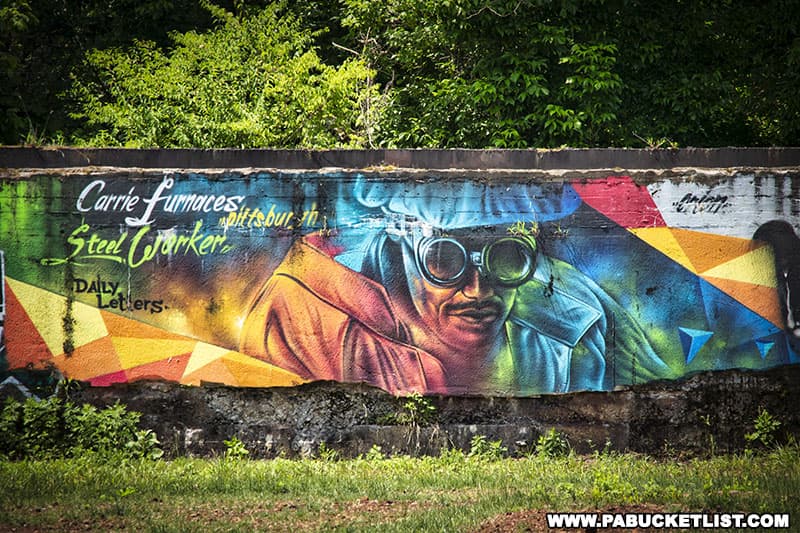
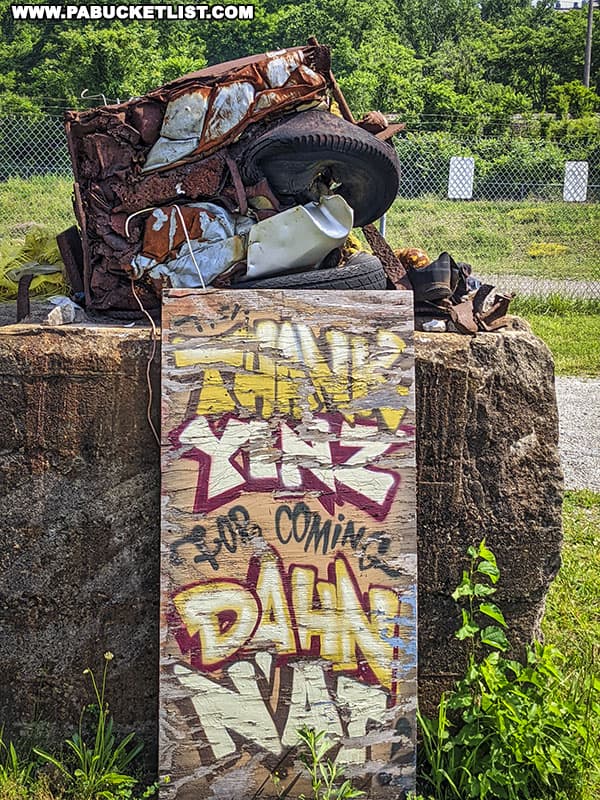
One thing you’ll notice when touring the grounds of the Carrie Blast Furnaces is a myriad of colorful murals.
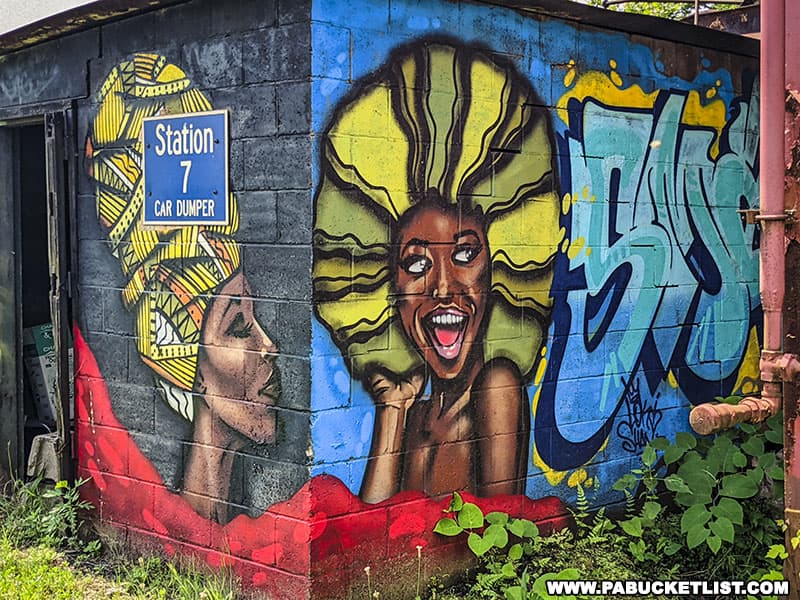
Taking a “if you can’t beat ’em, join ’em” approach, the Rivers of Steel has partnered with local and international graffiti artists and muralists to create some truly incredible artwork around the site.
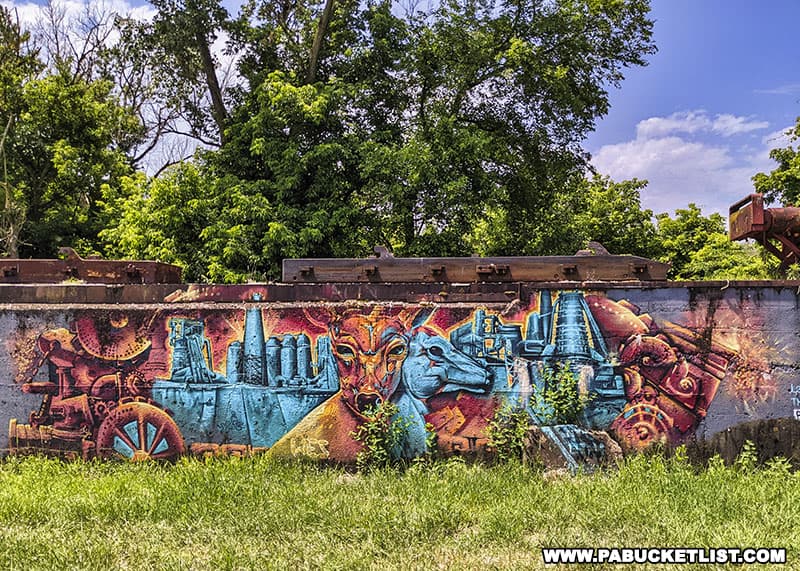
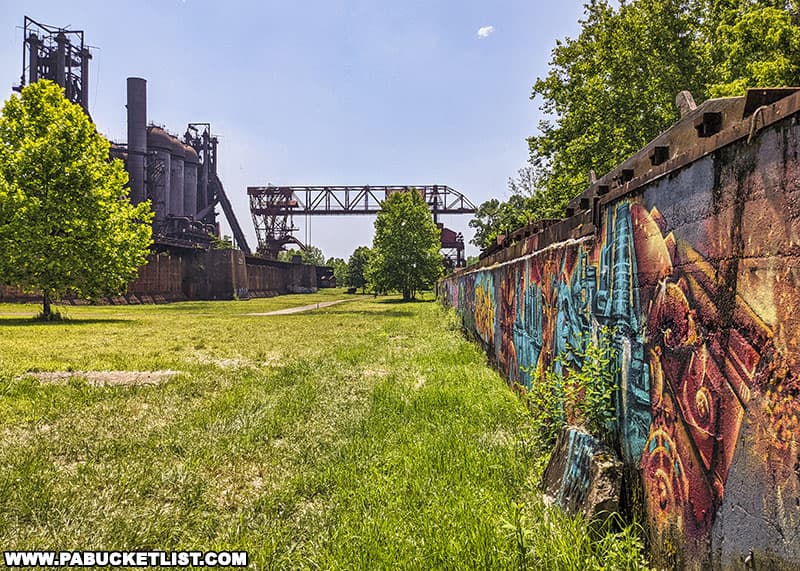
An entire wall towards the back of the property is devoted to murals, and these works of art are a far cry from the amateurish graffiti you find at many abandoned or formerly-abandoned sites.
The Carrie Deer
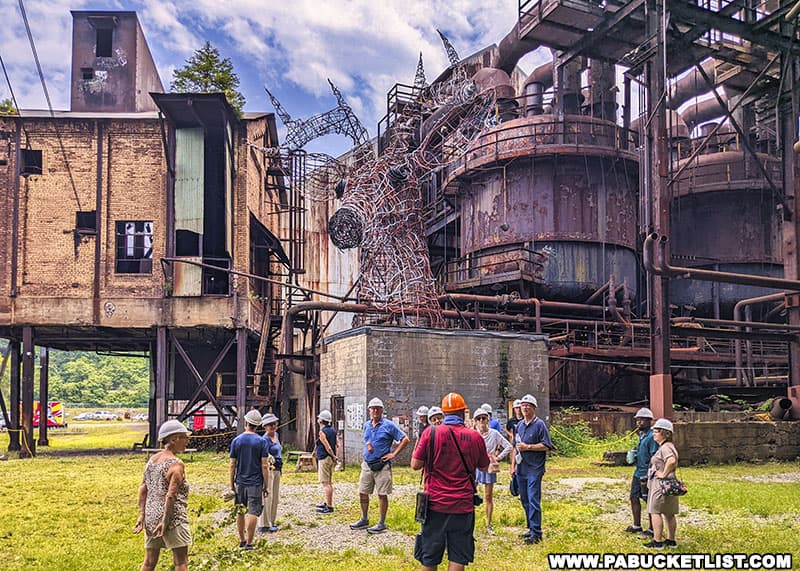
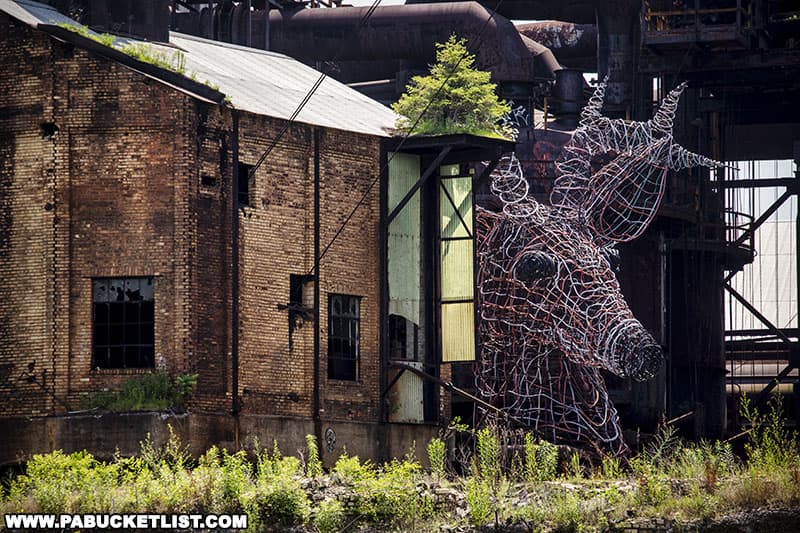
One piece of “guerilla art” at the Carrie Blast Furnaces that has achieved international fame is the Carrie Deer.
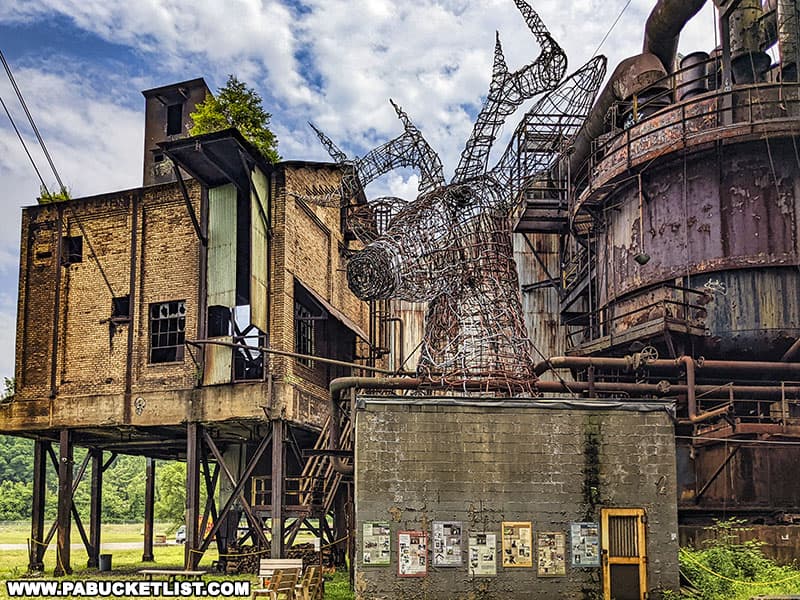
The Carrie Deer was built in 1997 by several local artists who would sneak onto the abandoned property on Sundays, when no demolition/salvage workers were around.
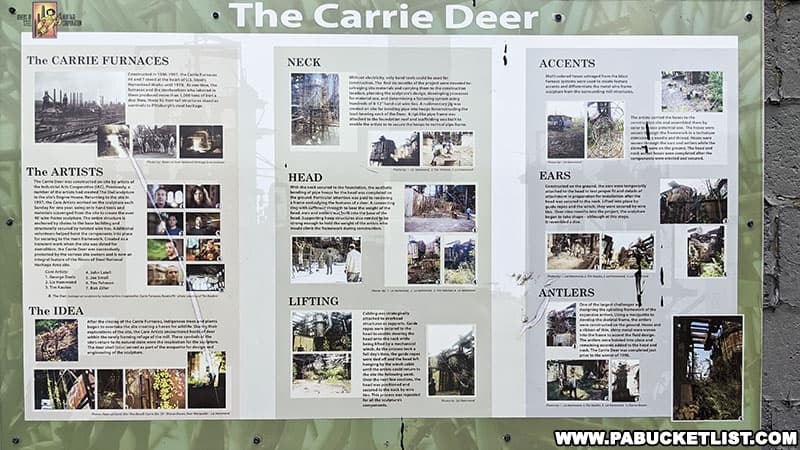
Using salvaged metal pipes, tubing, and wires found at the site, they built the now-iconic 40 foot-tall sculpture.
Touring the Carrie Blast Furnaces
A number of tours and workshops are offered at the Carrie Blast Furnaces, and you can learn more about them and schedule a visit at the Rivers of Steel OFFICIAL WEBSITE.
There are tours that focus on the history of the furnaces, as well as tours that focus on the artwork created therre since the furnaces shut down.
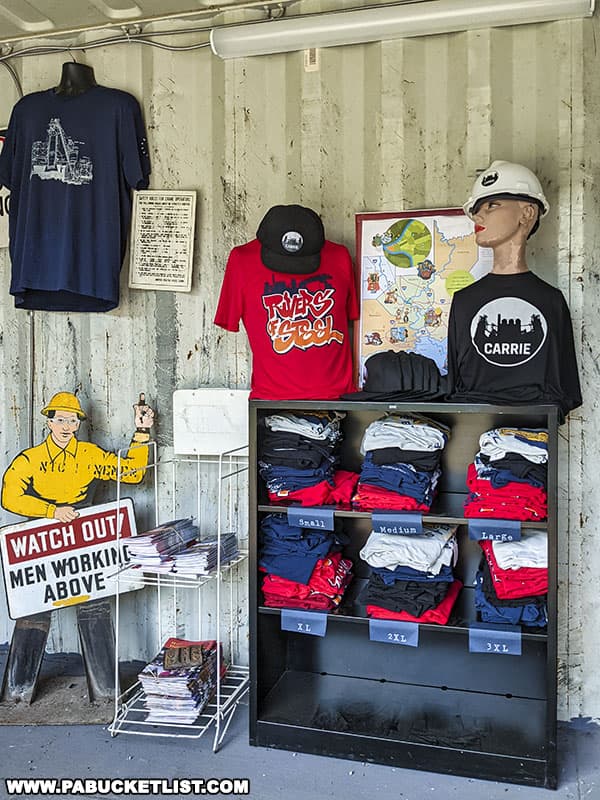
There’s even a gift shop for the all-important Carrie Furnace swag.
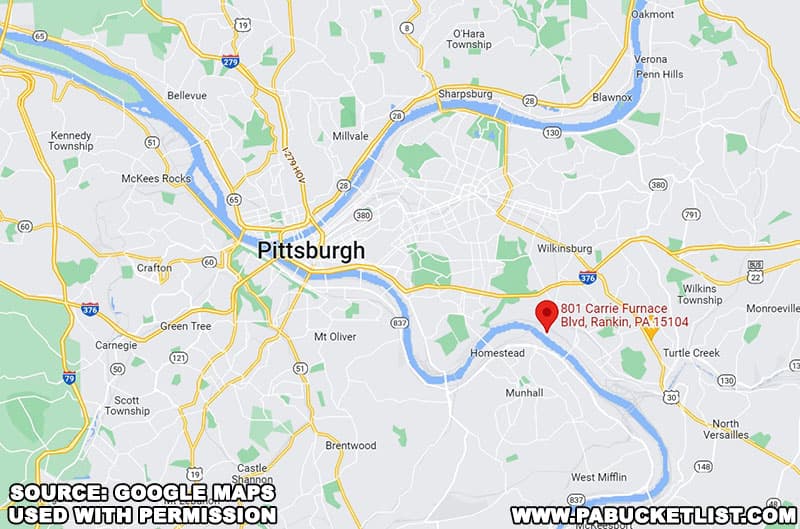
The Carrie Blast Furnaces are located at 801 Carrie Furnace Blvd., Pittsburgh, PA 15218.
I can’t say enough good things about this tour – every person I dealt with at Rivers of Steel was very friendly, extremely knowledgeable, and obviously passionate about the mission of preserving and promoting both the legacy of the site and the heritage of the “Steel City”.
Whether you’re a history buff, urbex fan, or photographer – exploring the Carrie Blast Furnaces in Pittsburgh is a wonderful experience, verging on sensory overload!
Related Attractions
38 Abandoned Places in PA You Can Legally Explore highlights 38 abandoned places in PA that continue to fascinate visitors decades after they outlived their intended purposes.

Nearby Attractions
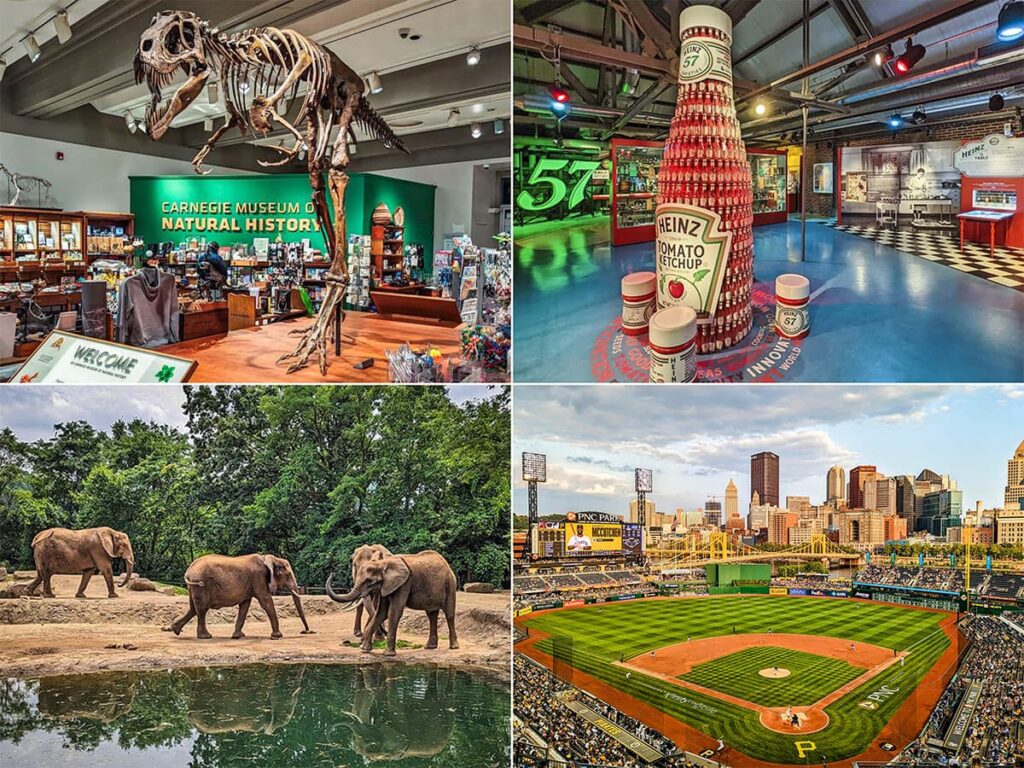
33 Must-See Attractions in Allegheny County showcases more remarkable sights and experiences near the Carrie Blast Furnaces.
A Smarter Way to Explore Pennsylvania
Explore Pennsylvania like a pro with the interactive PA Bucket List Travel Map, showcasing over 1,000 memorable destinations I’ve personally visited across the Keystone State.
Did you enjoy this article?
If so, be sure to like and follow PA Bucket List on Facebook, Instagram, and/or Pinterest to learn more about the best things to see and do in Pennsylvania!
Click on any of the icons below to get connected to PA Bucket List on social media.