

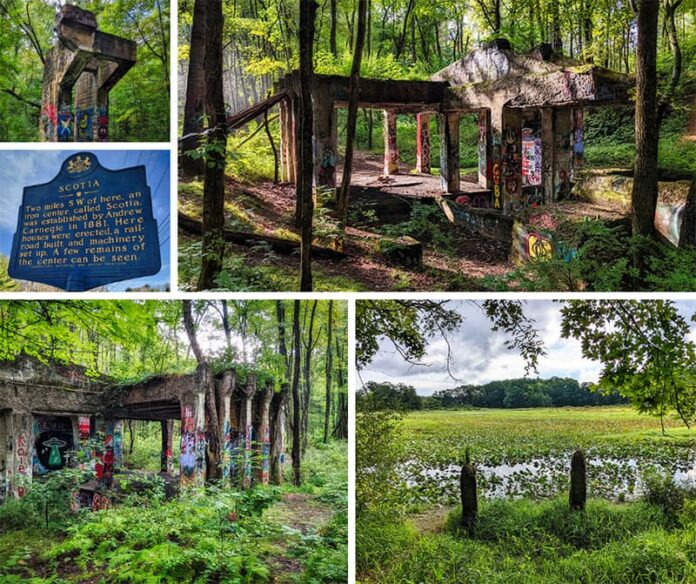
If you’re planning a visit to the ghost town of Scotia near State College in Centre County, Pennsylvania, here’s how to get there.
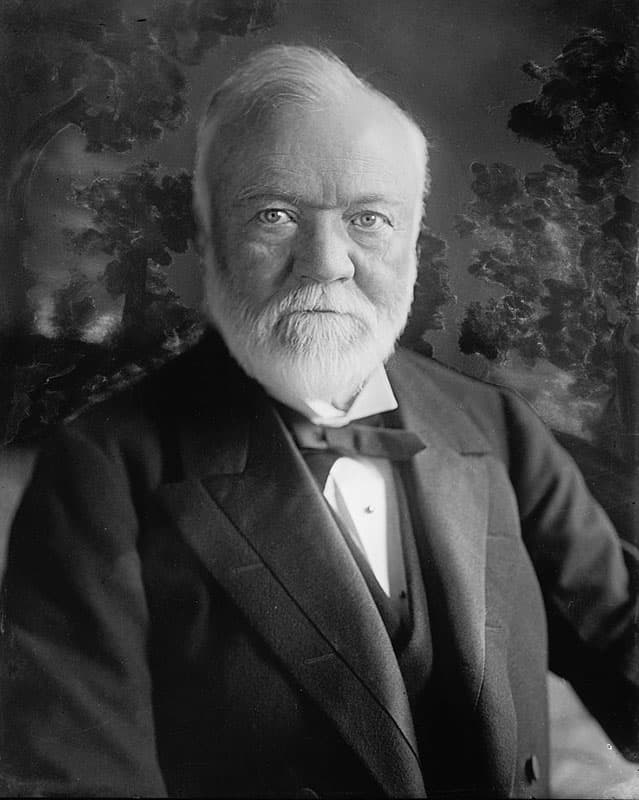
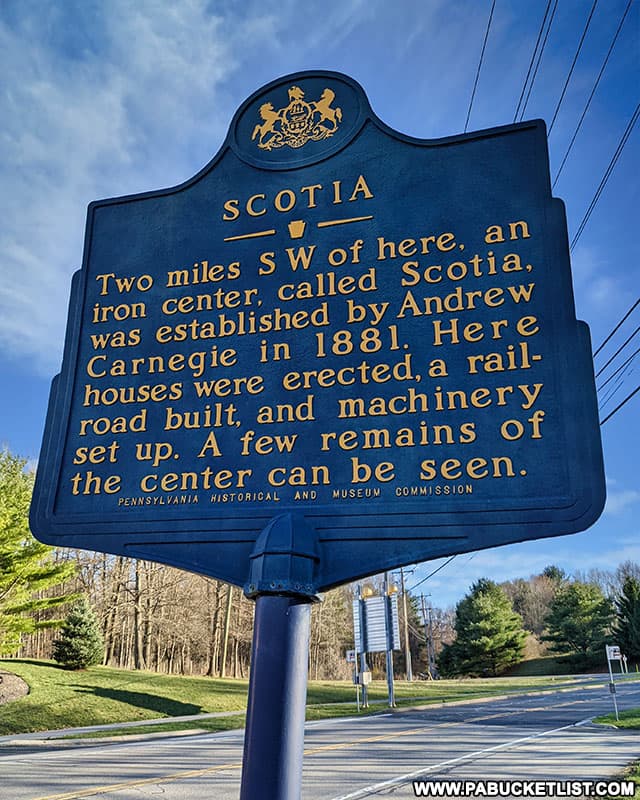
Built in the late 1800s by one of the richest men in the world at the time, Scotia was a “company town” that served as home to employees of Andrew Carnegie’s Scotia Mines and Iron Works.
Now, Scotia is but a ghost town (and some say still inhabited by ghosts!), and the few remaining structures are being slowly swallowed up by the Earth.
Directions to Scotia
The remains of the ghost town of Scotia can be found on adjacent parcels of land owned by Patton Township and the Pennsylvania Game Commission.
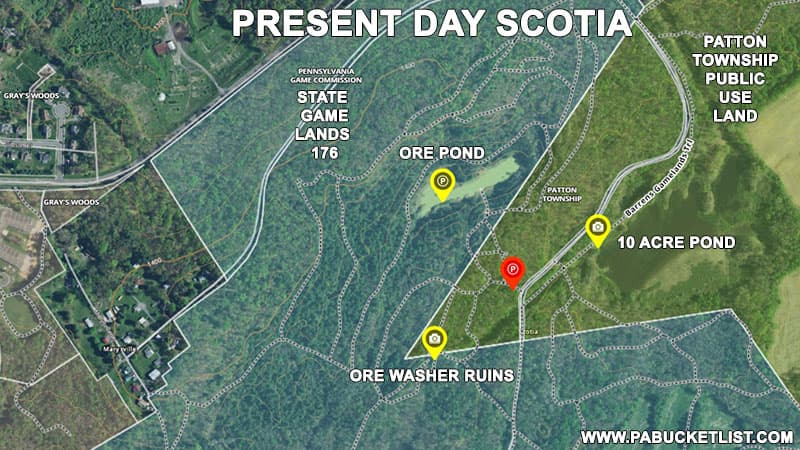
If navigating by GPS, use coordinates 40.80039, -77.94644 to find the State Game Lands parking lot pictured below, along Scotia Range Road.
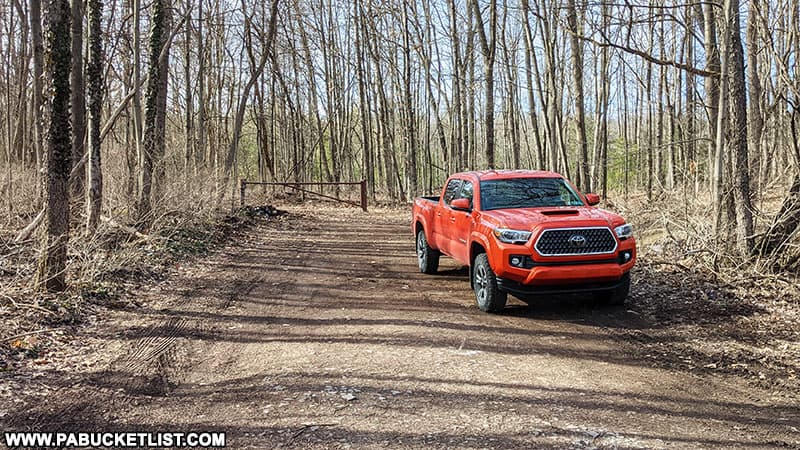
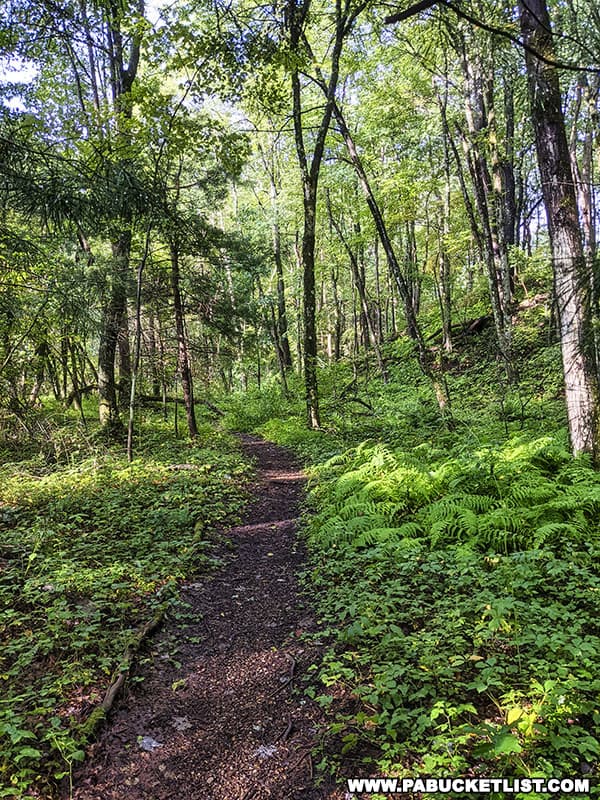
From an obvious footpath just beyond the gate at the back of the parking lot, follow the trail to the left (west) for approximately 200 yards to the heart of the ruins.
Early History of Scotia
The presence of iron ore in this part of Pennsylvania had been known of since the late 1780s, and iron was being mined and transported to furnaces near present-day Bellefonte and State College throughout much of the early to mid 1800s.
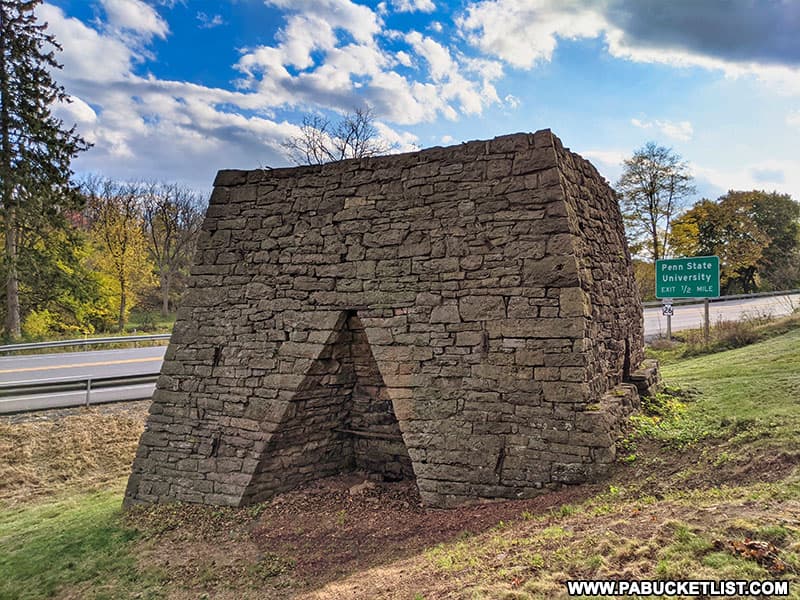
But it was Andrew Carnegie, starting in 1881, that used his industrial might to mine, refine, and ship Scotia iron ore on a large scale to his steel mills in Pittsburgh.
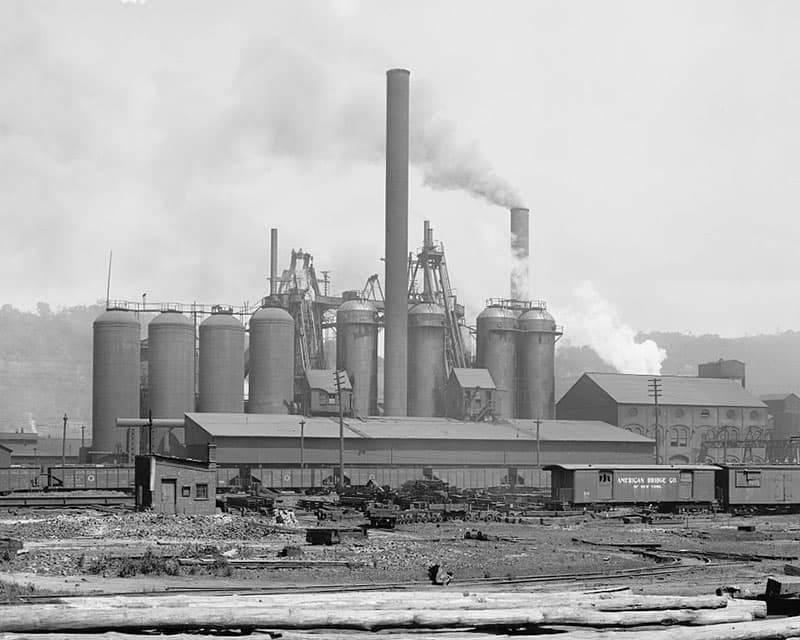
The Boomtown Years of Scotia
Named “Scotia” by Carnegie as a tribute to his native Scotland (Scotia meaning “little Scotland”), the company town that grew up around the iron ore mining operation at one time was home to nearly 250 workers and 400 total residents.
In addition to homes for the workers and their families, there was a blacksmith’s shop, a barber shop, a shoemaker’s shop, a general store, a church, and a grammar school named the Rabbit Hill School.
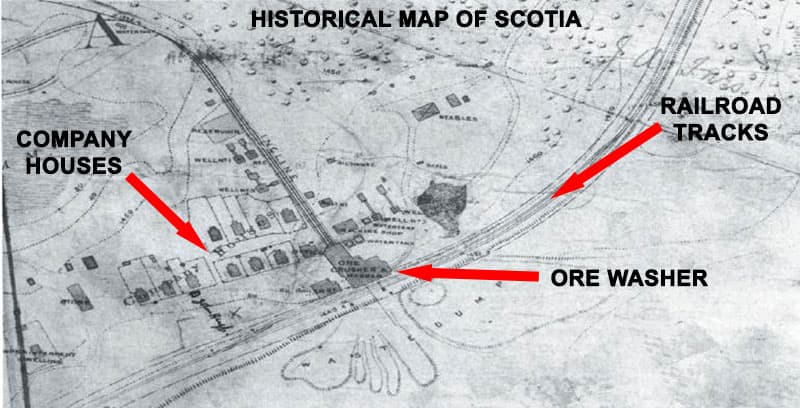
There was also a train station and a rail line that extended to Scotia to haul materials and people into Scotia, as well as hauling iron ore out of Scotia and west to Carnegie’s steel mills in Pittsburgh.
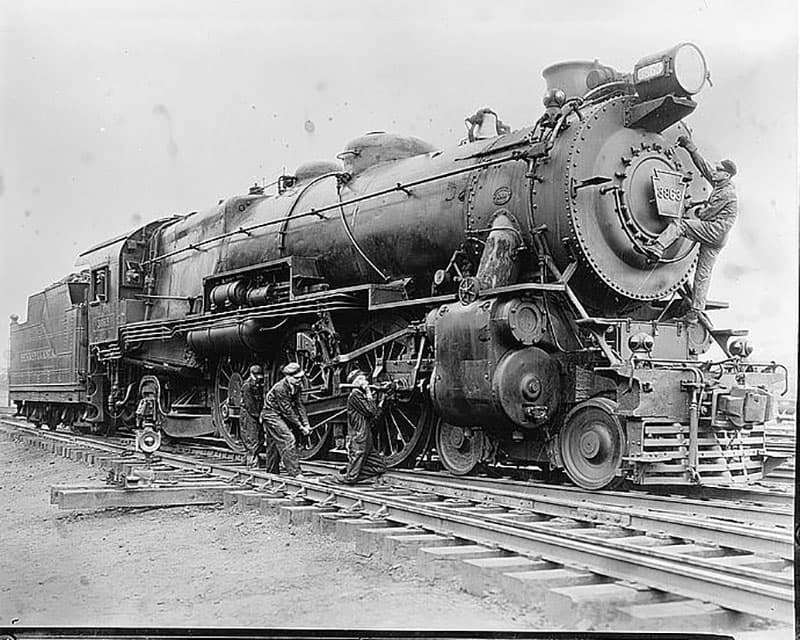
In the early days of the operation at Scotia, iron ore was mined with pick and shovel, but that soon gave way to steam shovels.
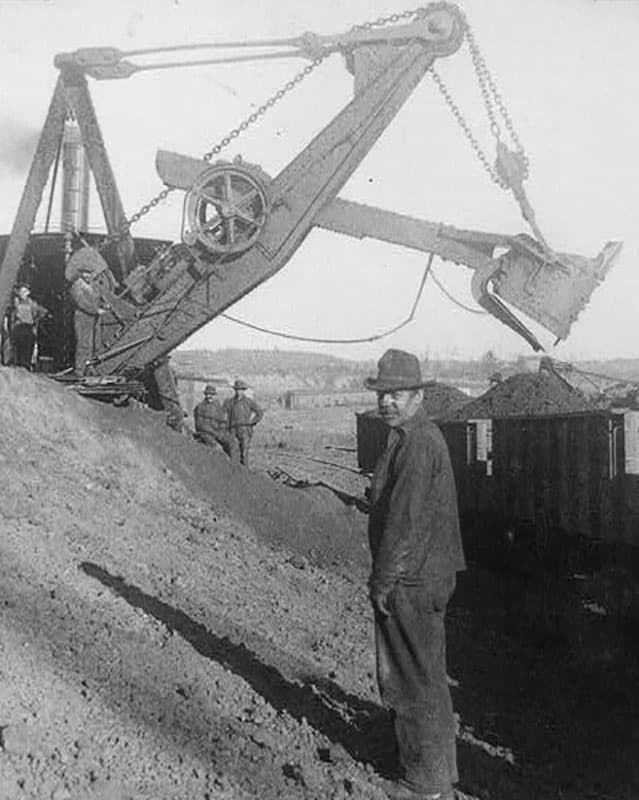
The iron ore that was mined needed to be washed to remove dirt, clay, and sand before it could be shipped to its final destination in Pittsburgh.
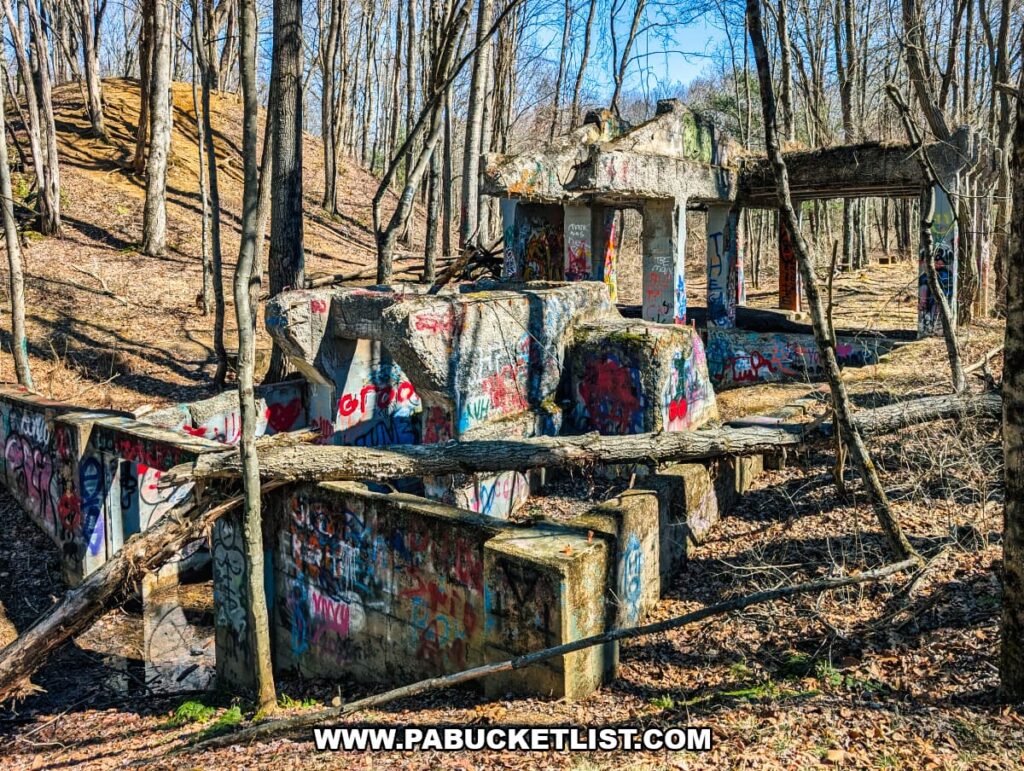
This meant that the iron ore had to be transported by small steam engines known as “dinkey trains” to a structure known as the “ore washer”, where it would be cleaned and then loaded onto freight cars again for the trip to the steel mills.
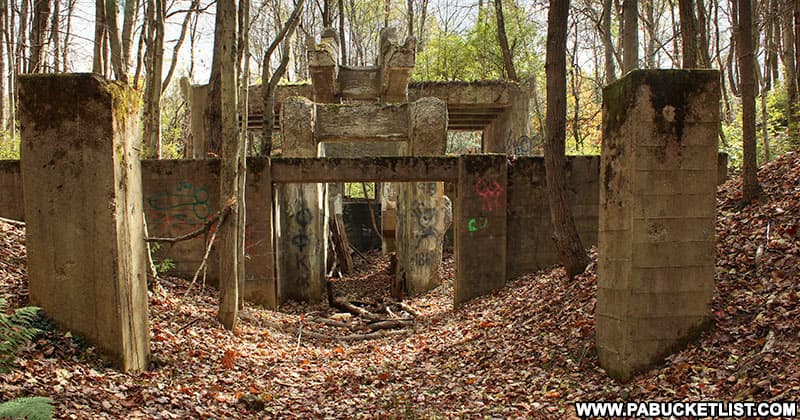
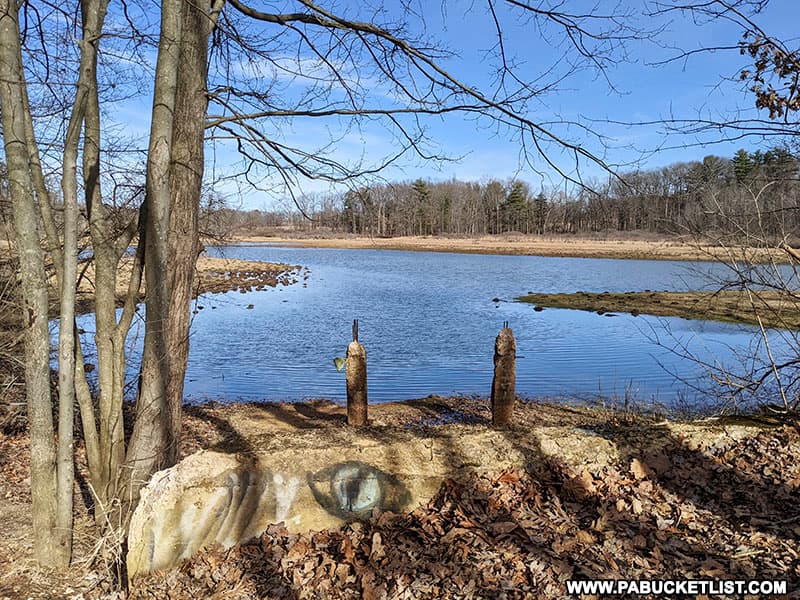
The process of washing the iron ore required vast amounts of water, and initially much of that water was pumped from what is now known as 10 Acre Pond, on the opposite side of Scotai Range Road.
The iron mining operation and the town of Scotia prospered under Carnegie’s ownership until 1899, when he decided to sell it to the local Bellefonte Furnace Company.
The Decline of Scotia
Once vast quantities of high-grade iron ore had been discovered in Minnesota, it was more economical for Carnegie to obtain what he needed for his steel mills there.
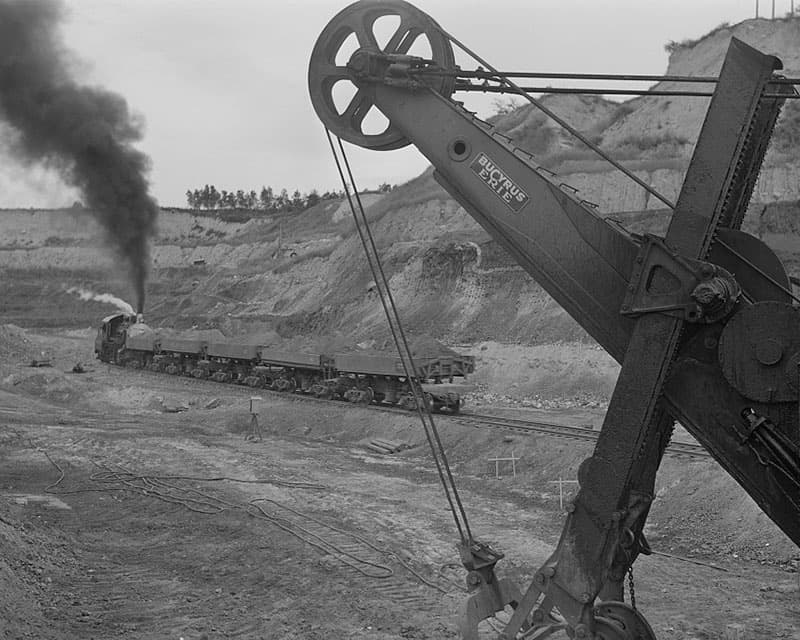
The Bellefonte Furnace Company operated the Scotia mines for another decade, but as the quality and quantity of iron ore produced there decreased, it became economically impossible to continue.
The mines closed, the equipment was sold off and disassembled, and homes were dismantled for their lumber.
By the early 1920s all that remained of Scotia was a few vacant buildings and foundations of what had once-been a thriving community.
The Brief Rebirth of Scotia
During World War II, the federal government briefly reopened the Scotia iron mines, hoping to secure a reliable domestic source of raw materials in case global shipping routes were disrupted.
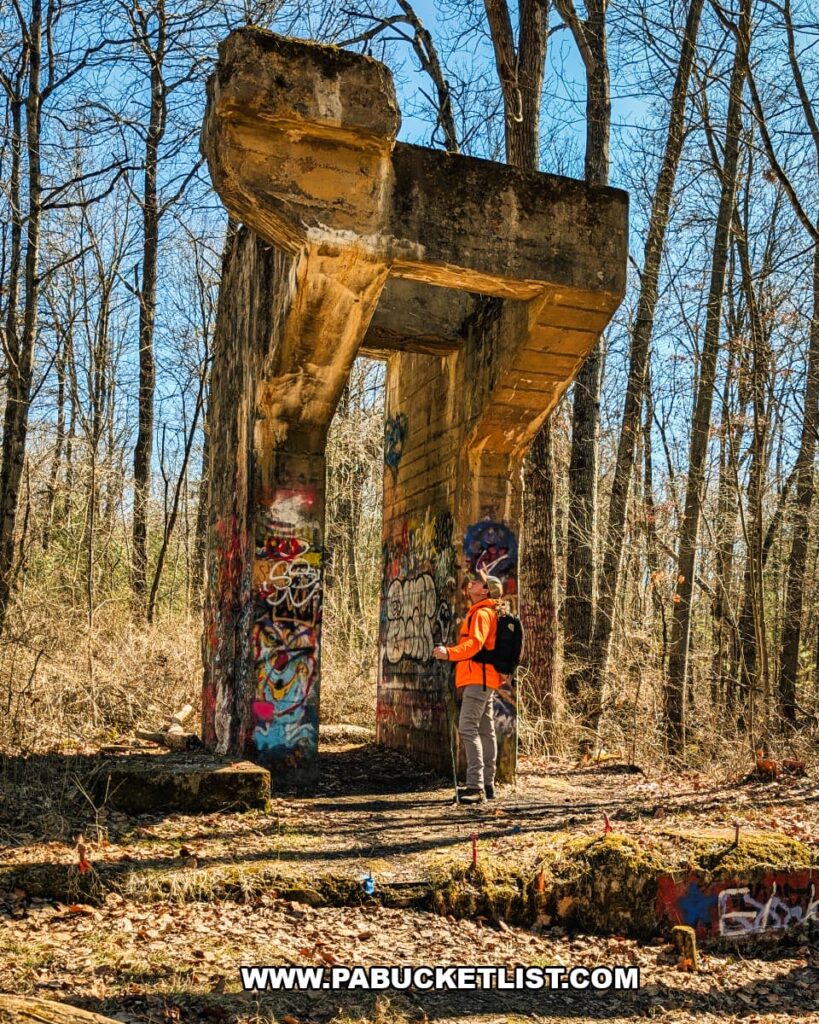
The Defense Plant Corporation invested $500,000 to reactivate the site and contracted the newly formed Scotia Mining Company, which built new infrastructure including large earthen ramps and a receiving hopper to move ore to a washery.
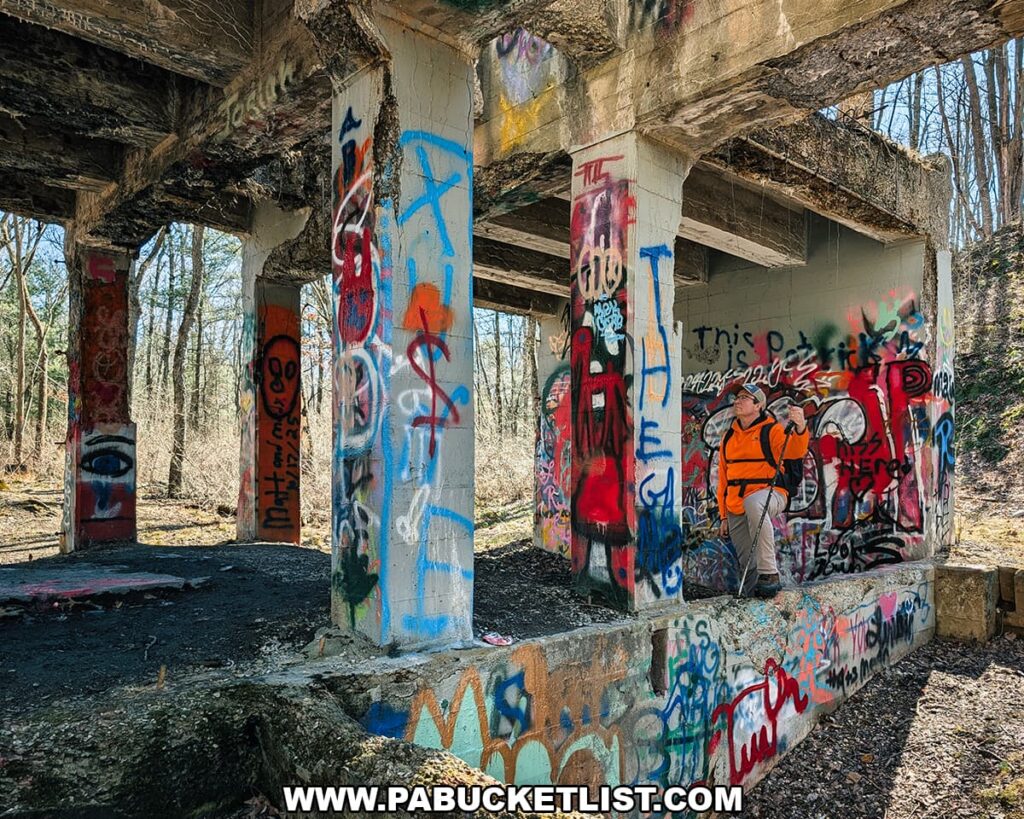
Despite these efforts, the operation produced only about 40 rail cars of ore, which ultimately proved to be of extremely poor and essentially worthless quality.
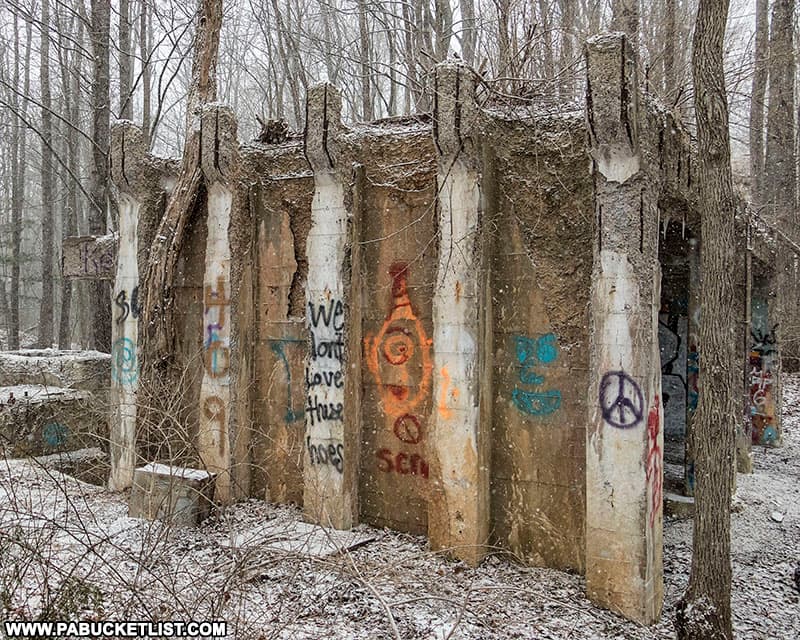
The project was quickly abandoned, and many of the concrete ruins hikers see today in the Scotia Barrens of State Game Lands 176 are remnants of this short-lived World War II mining attempt rather than the original 19th-century iron works.
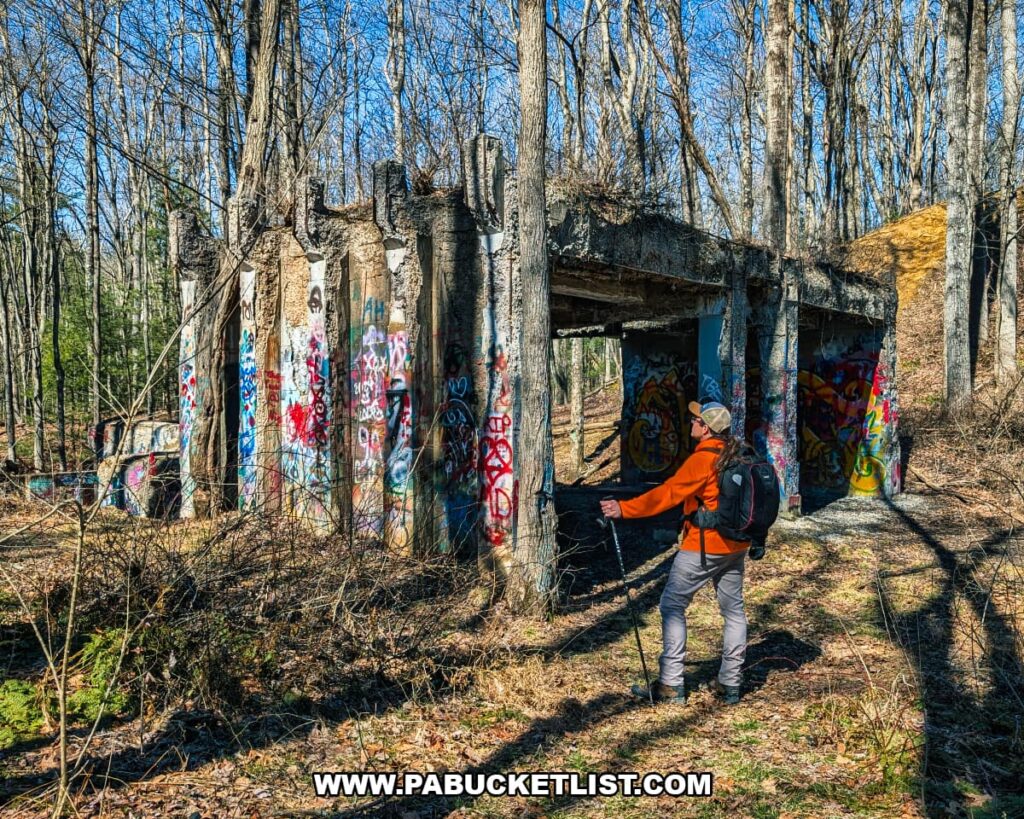
The Abandoned Ore Washer at Scotia
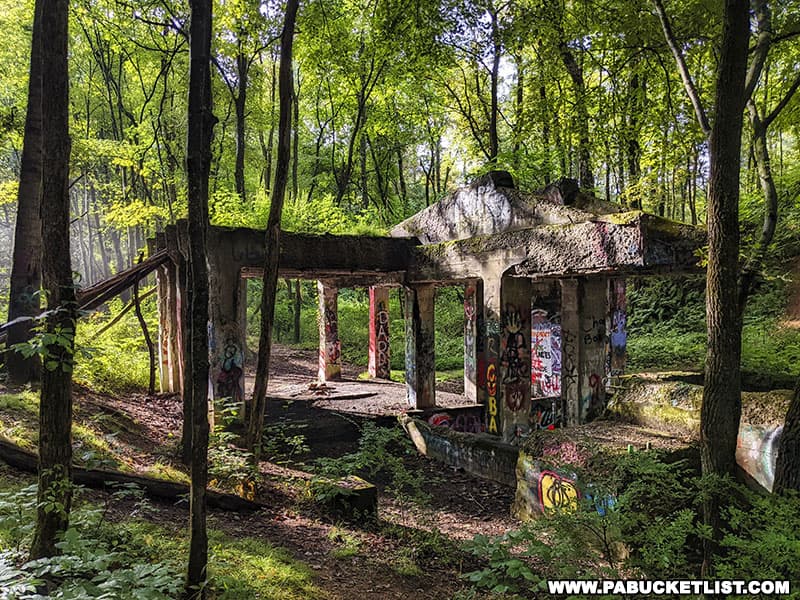
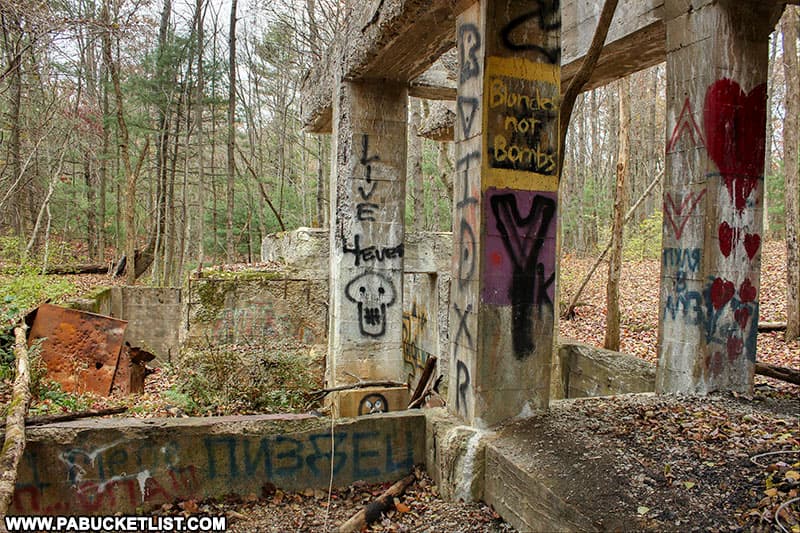
Like a concrete skeleton, the remains of the abandoned ore washer at Scotia are the most prominent reminder that a once-bustling industrial operation existed in this modern-day forest.
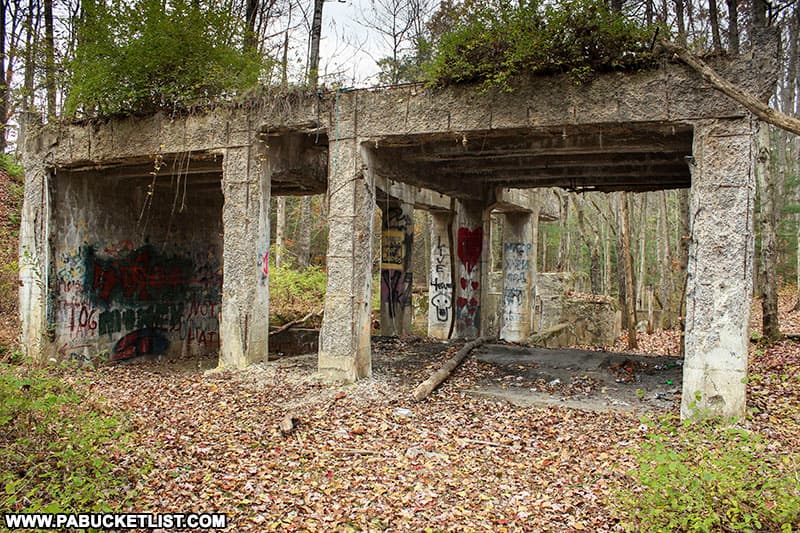
Large earthen ramps on either side of the ore washer foundation allow you a birds-eye view.
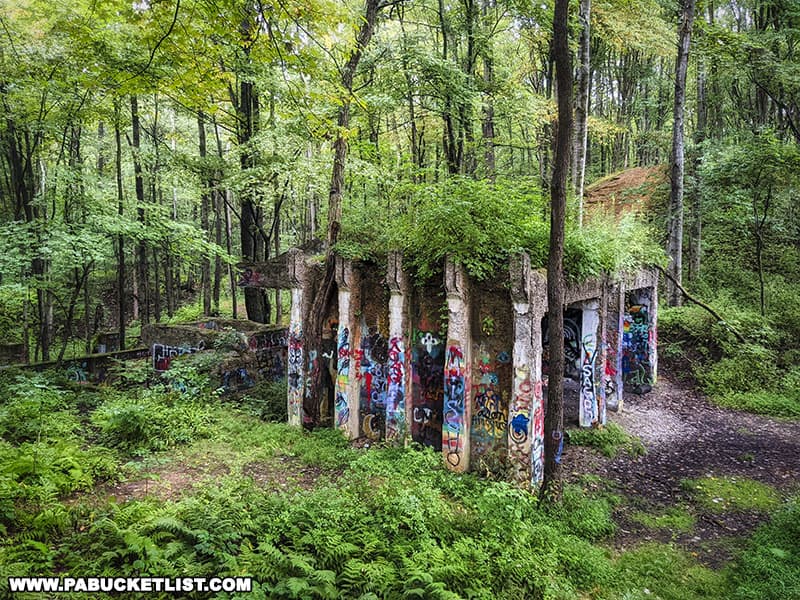
State Game Lands 176 in general, and the Scotia ruins in particular, are a popular destination for area hikers, mountain bikers, and trail runners.
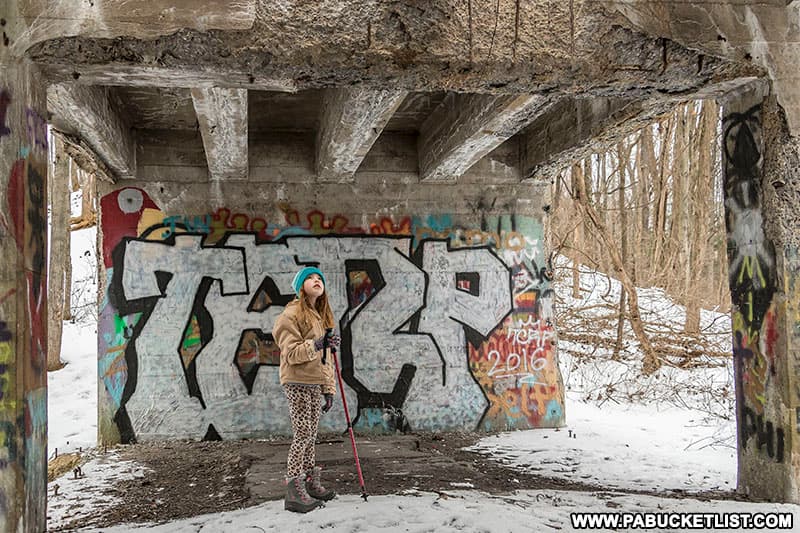
The ruins have also been a popular party spot for many decades, at least since the 80s when I moved to State College.
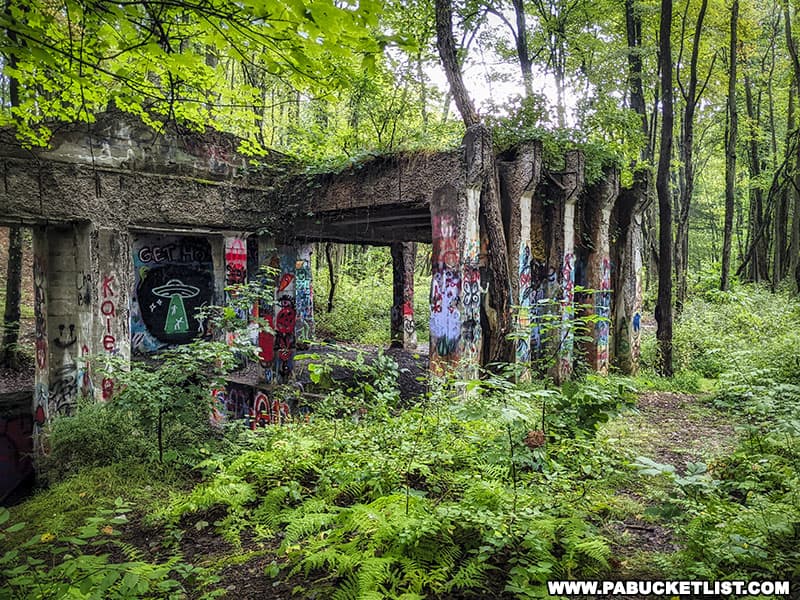
So don’t be surprised to see a constantly-changing array of graffiti and party paraphernalia scattered about.
The Ore Pond at Scotia
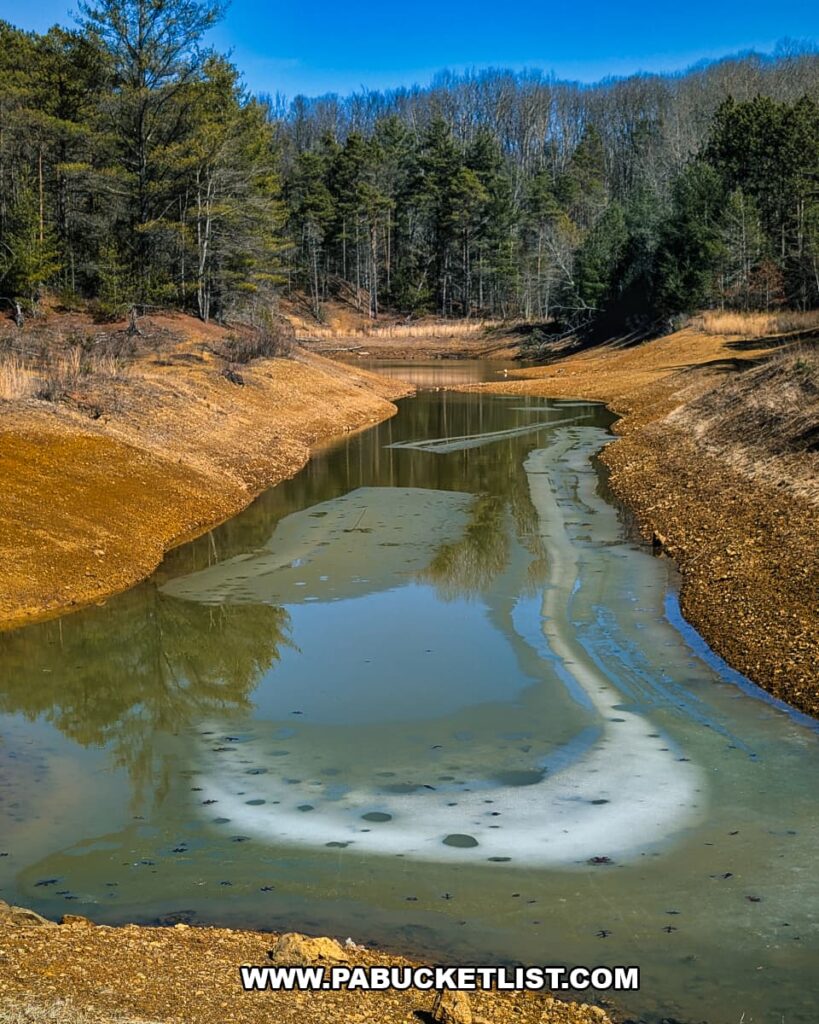
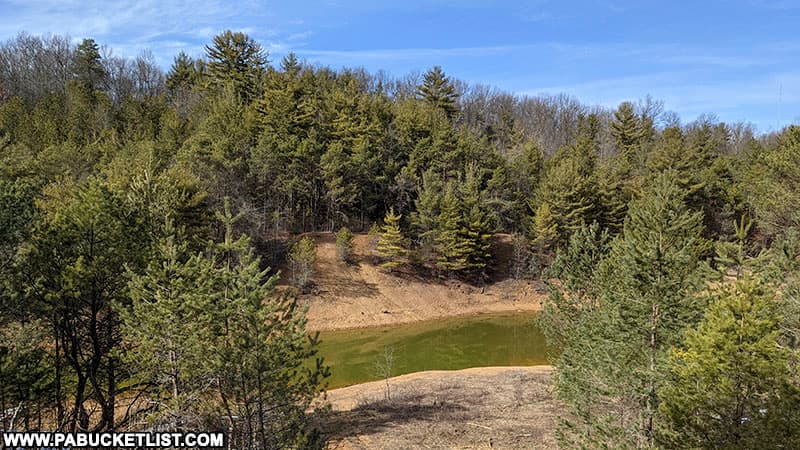
Approximately 200 yards to the north of the Scotia ruins parking area lies a large ore pond, a pit where iron ore was once excavated, now filled in with water.
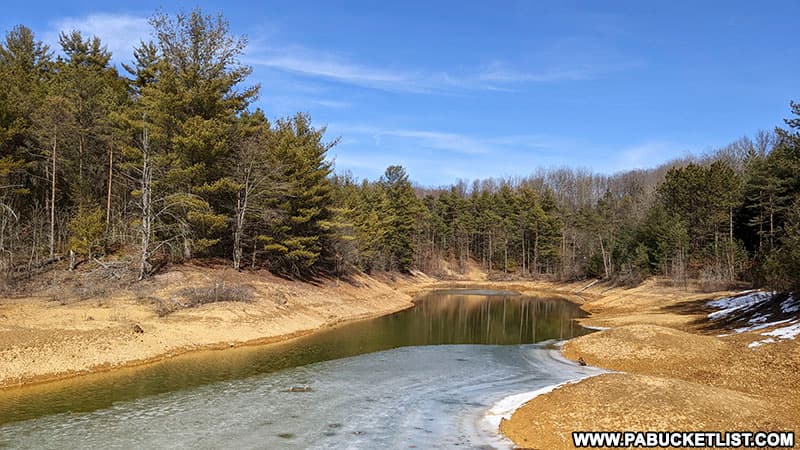
Because of the high iron content in the water, the pond takes on some seemingly-unnatural colors, almost fluorescent at times.
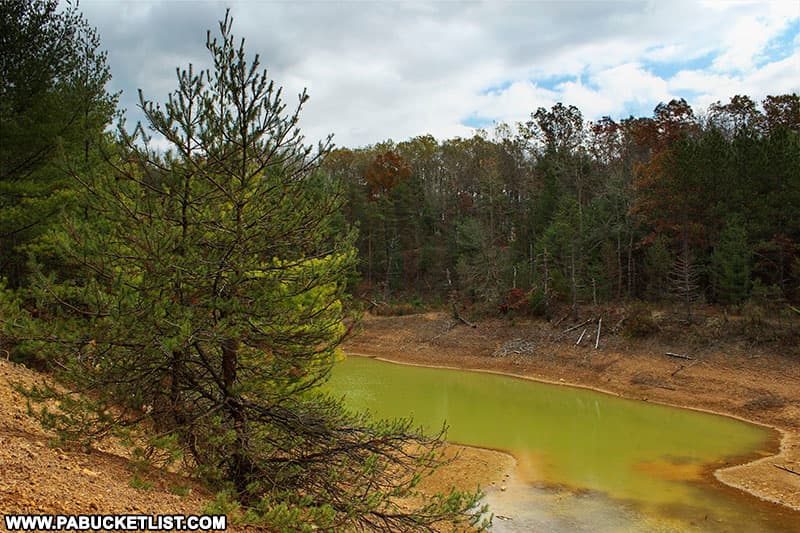
Despite its unnatural, man-made origines, the ore pond is a fairly photogenic spot and worth a quick look while visiting the ruins of Scotia.
10 Acre Pond at Scotia
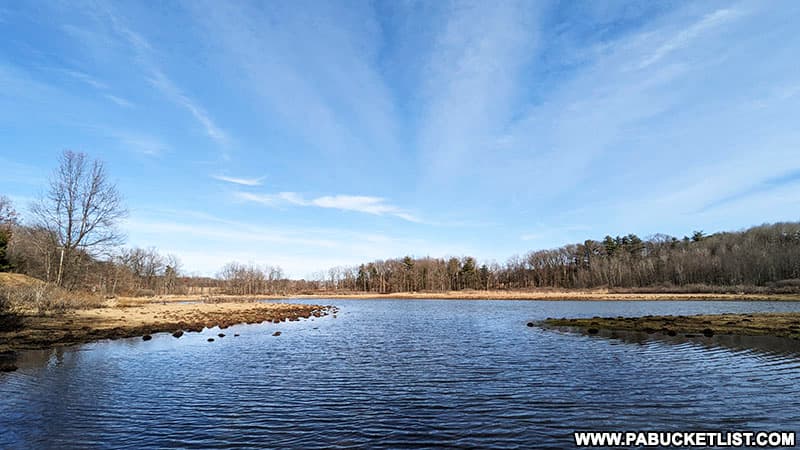
In the boomtown days of Scotia, 10 Acre Pond was an important source of water (along with wells dug later) for both the ore washing operation, as well as replenishing the steam engines that rolled into Scotia twice daily.

Now it is important to both migrating waterfowl as well as indigenous amphibians.
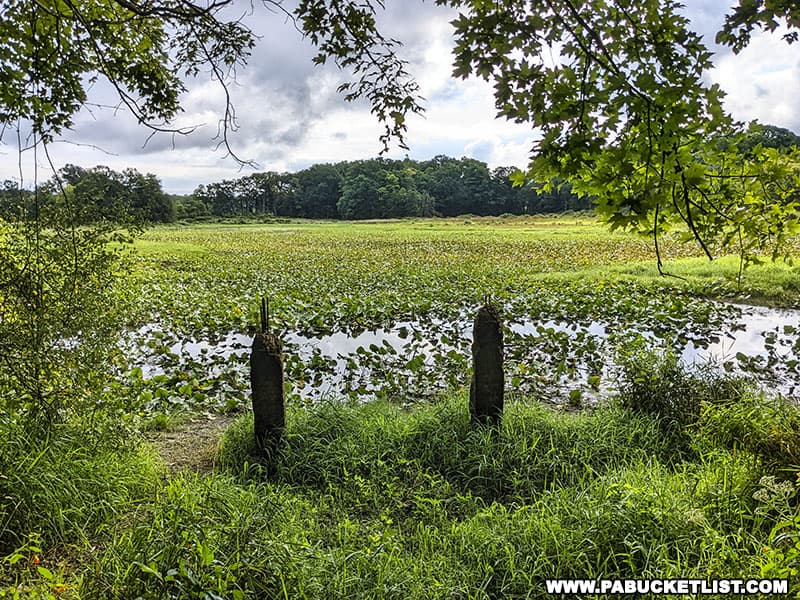
10 Acre Pond is located on land owned by Patton Township (and preserved for public use) and sits approximately 150 yards east of the Scotia ruins parking area.
The Black Ghost of Scotia
As with many industrial operations of the time, accidental deaths were not uncommon, and rumors of hauntings by the recently-deceased accompanied those sudden deaths.
But the most persistent ghost story related to Scotia involved no accident, but rather revolves around a murder that took place in 1910.

On a chilly October night, an African-American man named Bert Delige attacked and murdered Mrs. Hulda Burdis, the widow of Bert’s former boss John Baudis.
Bert quickly became the prime suspect, and faced with overwhelming evidence turned up during the investigation (including the bloody razor used to cut Mrs. Burdis’ throat), he confessed to the crime.
Bert Delige was publicly hanged at the Bellefonte jail courtyard on April 25, 1911, the last public hanging in Centre County.
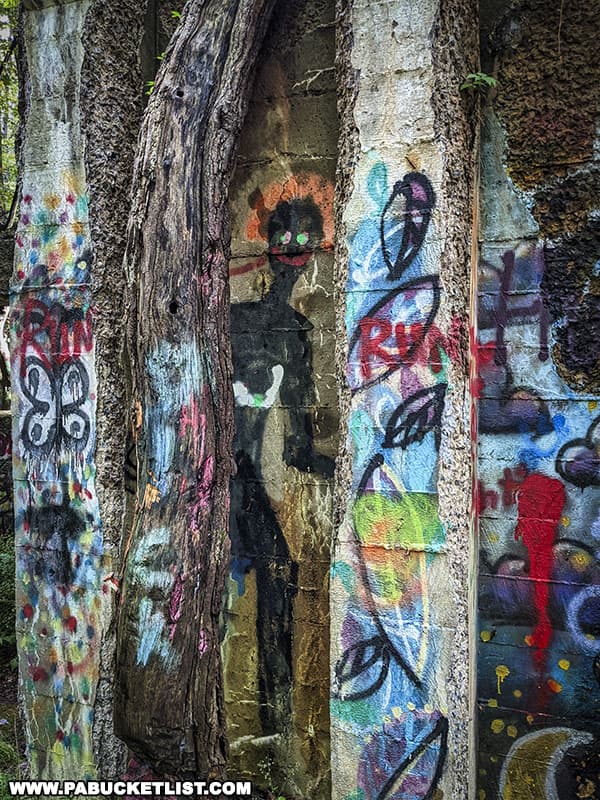
His body was returned to the Scotia Barrens (as the land around Scotia was and still is called) and he was buried in unconsecrated ground near his family homestead.
To this day, rumors of a large, black, human-shaped figure wandering the Scotia Barrens persist, and sightings seem to peak around the date of his execution on April 25th.

Related Attractions
38 Abandoned Places in PA You Can Legally Explore highlights 38 abandoned places in PA that continue to fascinate visitors decades after they outlived their intended purposes.

Nearby Attractions
38 Must-See Attractions in Centre County showcases more remarkable sights and experiences near the ghost town of Scotia.

A Smarter Way to Explore Pennsylvania
Explore Pennsylvania like a pro with the interactive PA Bucket List Travel Map, showcasing over 1,000 memorable destinations I’ve personally visited across the Keystone State.
Did you enjoy this article?
If so, be sure to like and follow PA Bucket List on Facebook, Instagram, and/or Pinterest to stay up-to-date on my latest write-ups about the best things to see and do in Pennsylvania!
Click on any of the icons below to get connected to PA Bucket List on social media.