

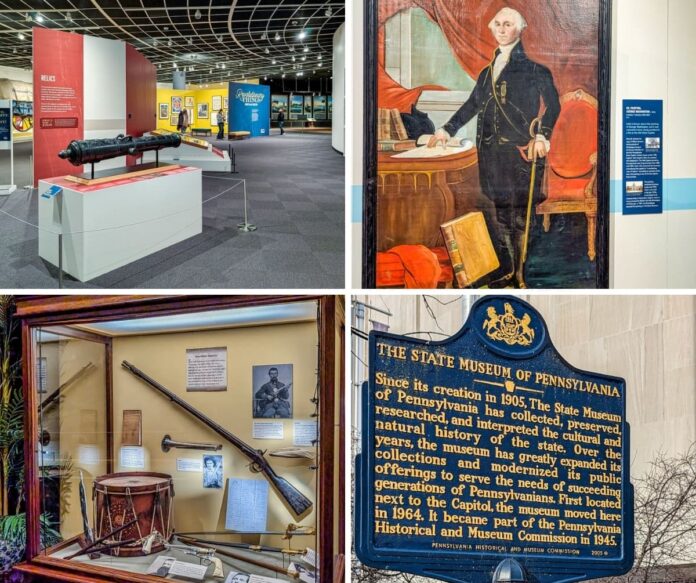
The State Museum of Pennsylvania in Harrisburg showcases Pennsylvania’s rich natural and cultural history—from prehistoric fossils to modern innovations—and this guide shares my firsthand tips to help you make the most of your visit.
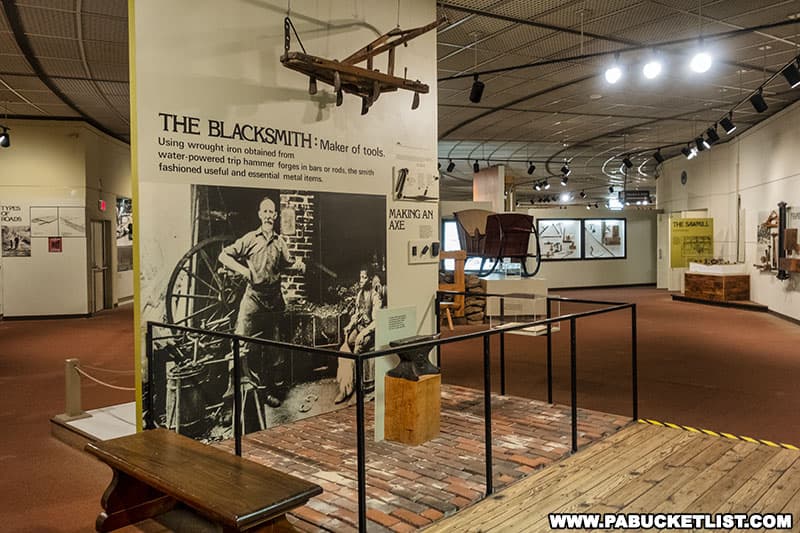
Created in 1905, the museum moved to its current location in 1964.
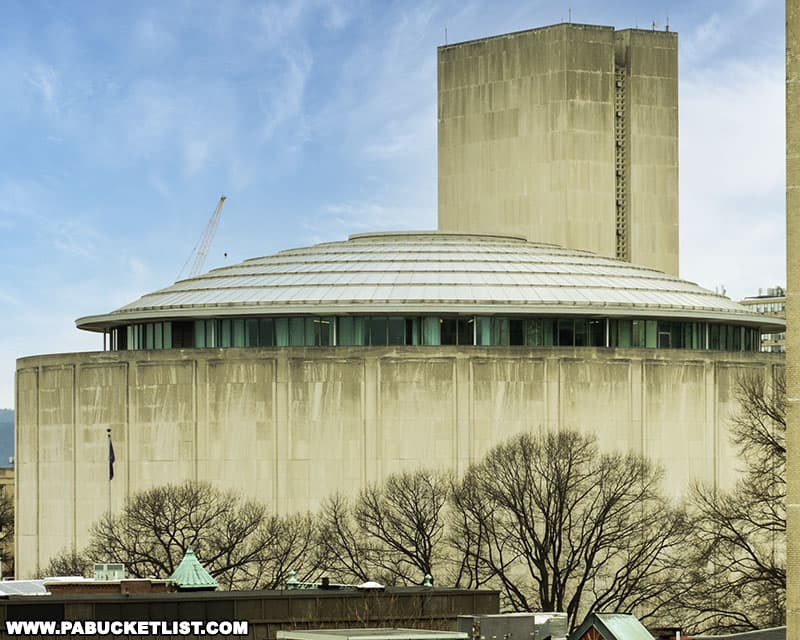
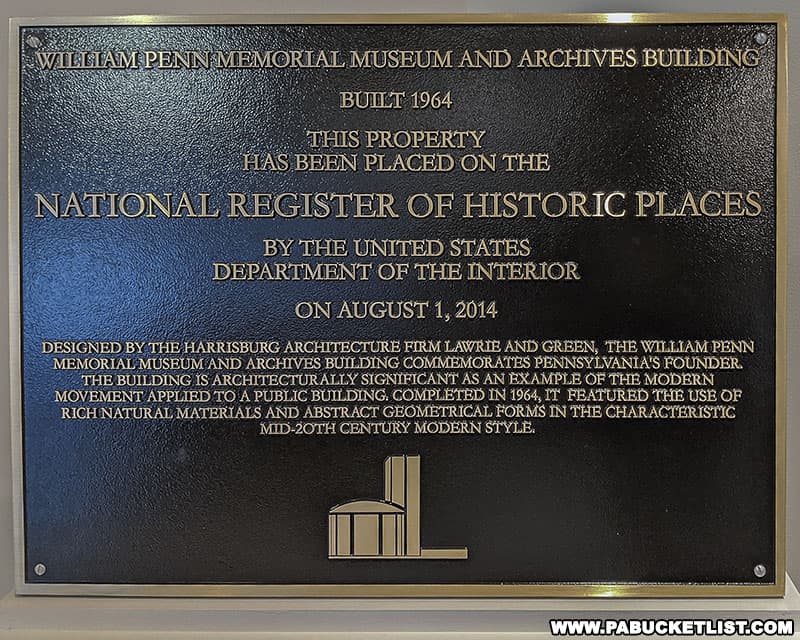
Originally called the William Penn Memorial Museum, the circular building itself was added to the National Register of Historic Places in 2014, owing to it’s “Mid-20th Century Modern Style”.
Directions | Hours | Admission Fees
The State Museum of Pennsylvania is located at 300 North Street, Harrisburg, PA 17120.
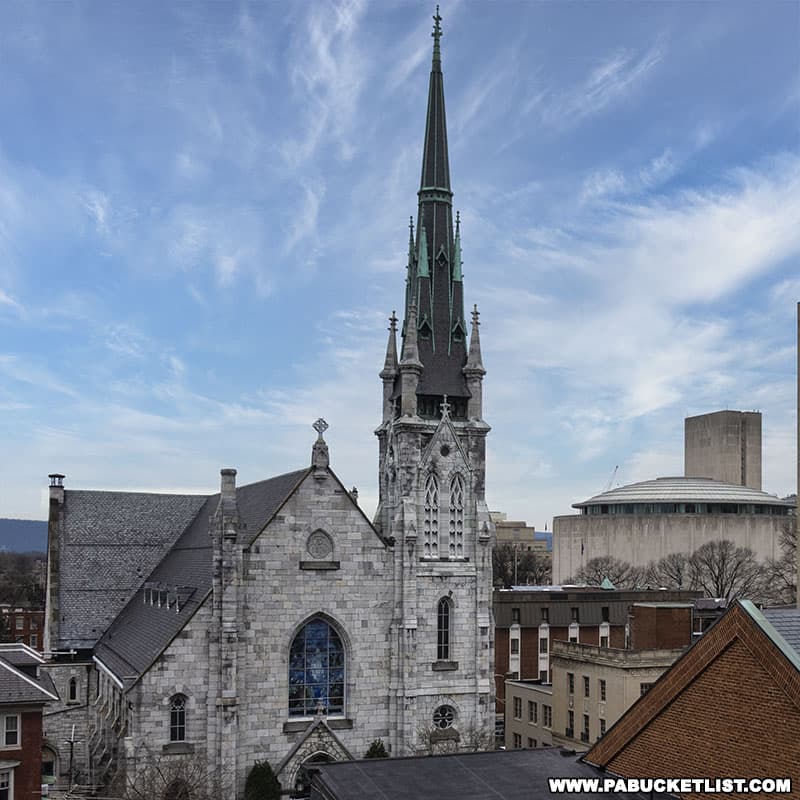
While there is no onsite parking for the museum, several city-owned parking garages are located within a few blocks, and as an added bonus they provide a nice elevated view of the museum and city skyline.
The museum hours are: Wednesday – Saturday 9 am – 4:30 pm | Sunday 12 pm – 4:30 pm.
Admission fees as of January 2026 are: $6 Adults | $5 Seniors Ages 65 and above | $4 Children ages 1 – 11.
As of January 5, 2026, the third floor Natural History exhibit halls and planetarium are closed as part of the upcoming $55 million transformation of the museum.
Furthermore, the ENTIRE museum is expected to be closed from August 2, 2026 until early 2029.
What You’ll See at the State Museum of Pennsylvania
The State Museum of Pennsylvania features four floors of exhibits and displays, covering Pennsylvania history from prehistoric times through current events.
Ground Floor
You enter and exit the museum on the ground floor, and naturally the gift shop/museum store is located nearby!

First Floor
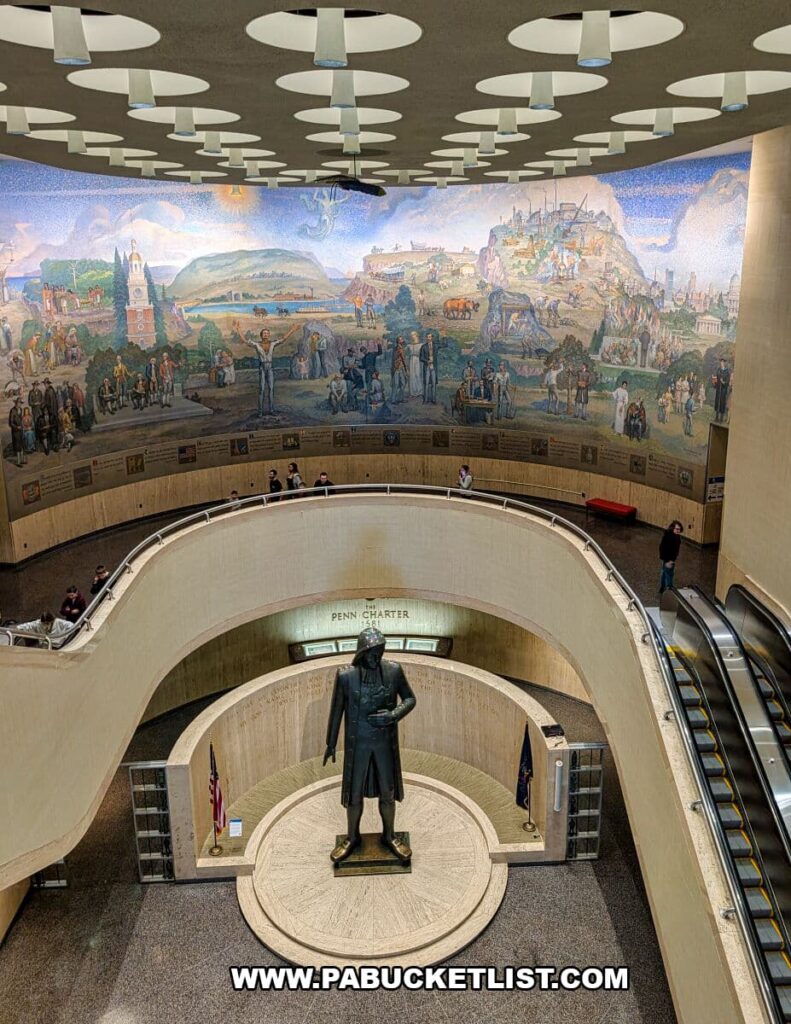
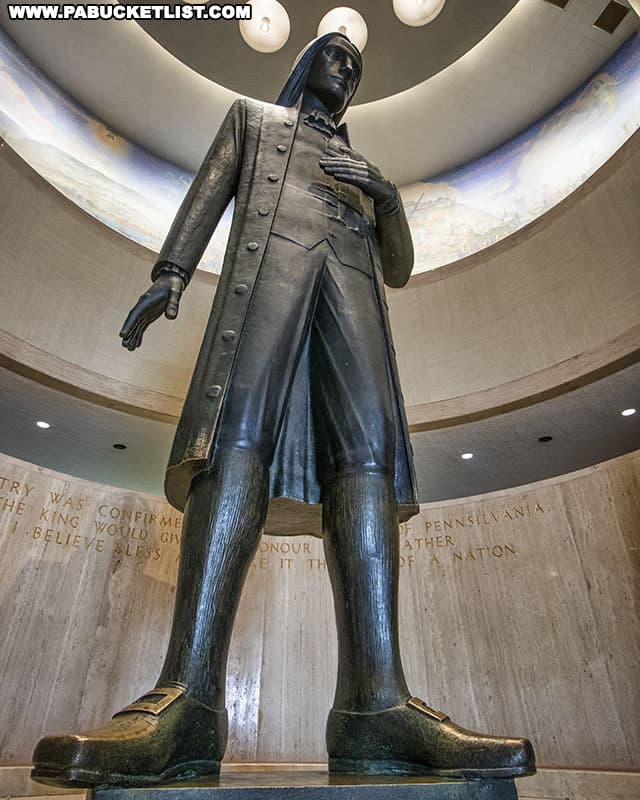
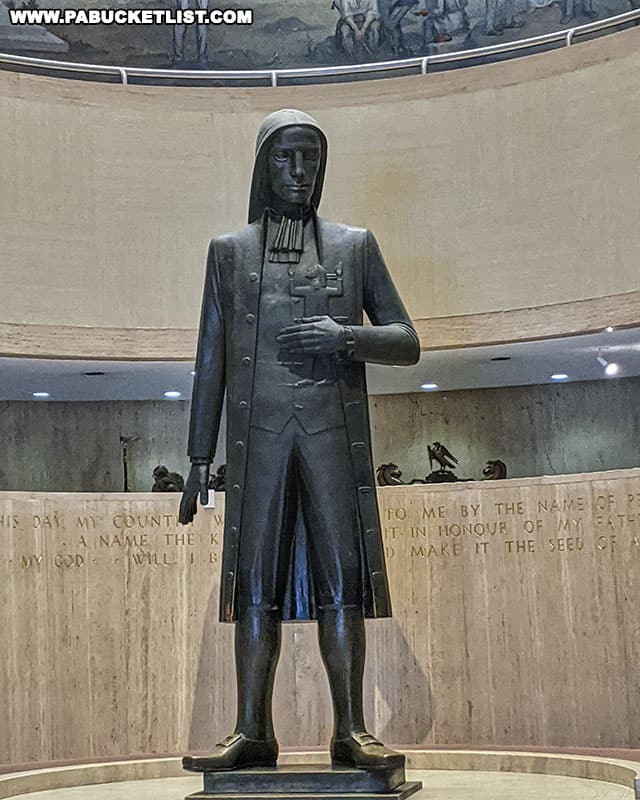
One of the highlights of the first floor is an eighteen foot tall, 3,800 pound bronze statue of William Penn, designed by Pennsylvania
sculptor Janet de Coux.
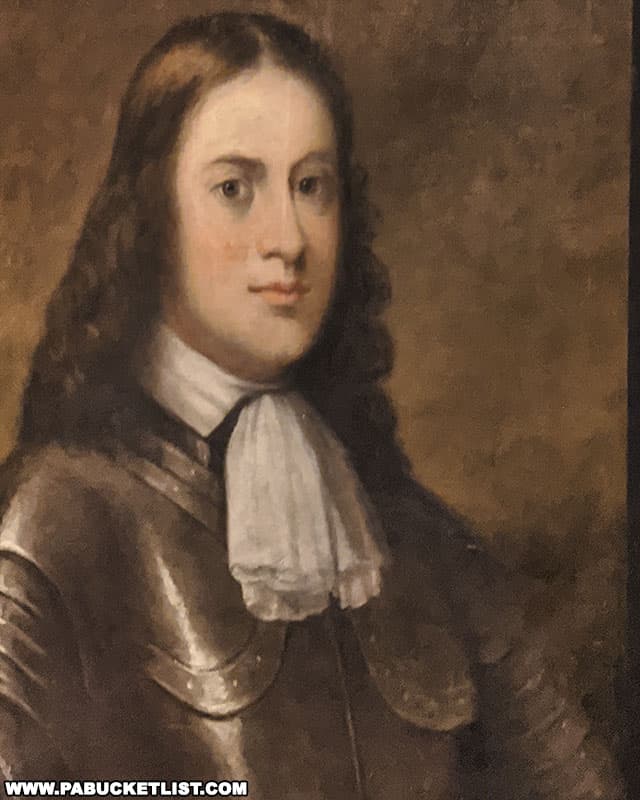
Other tributes to Pennsylvania’s Founding Father include a number of paintings, tapestries, and murals depicting him at various stages in his life.
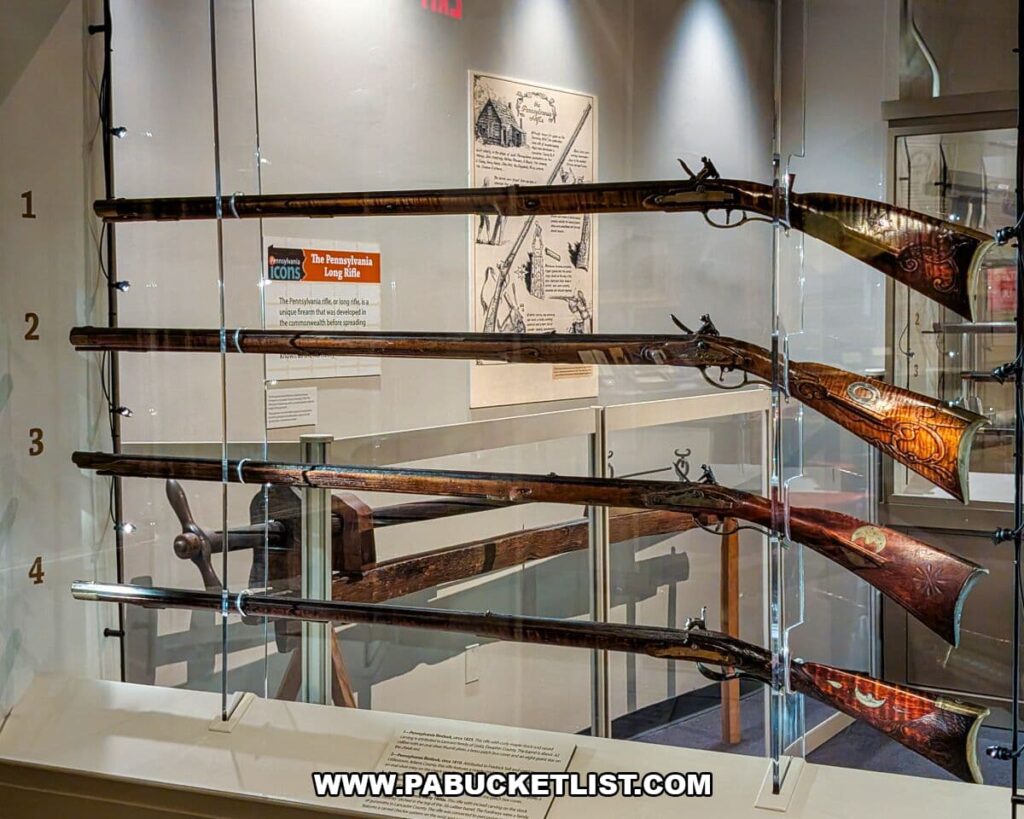
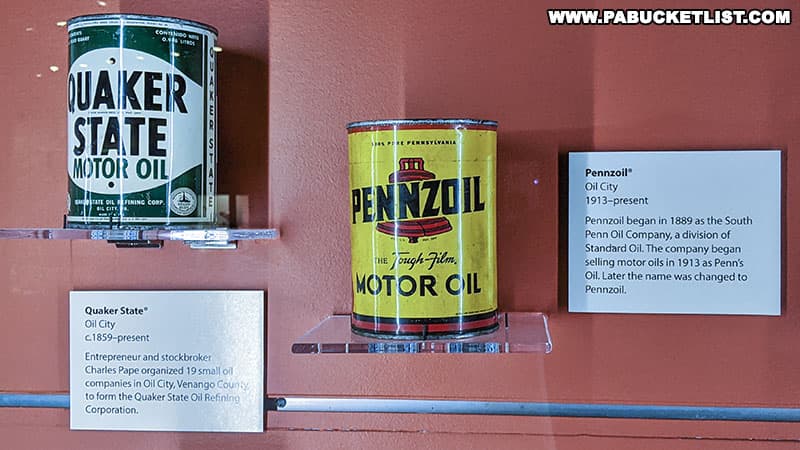
The Pennsylvania Icons exhibit, also located on the first floor, displays products and inventions created in PA.
Revolutionary Things | Objects from the Collection
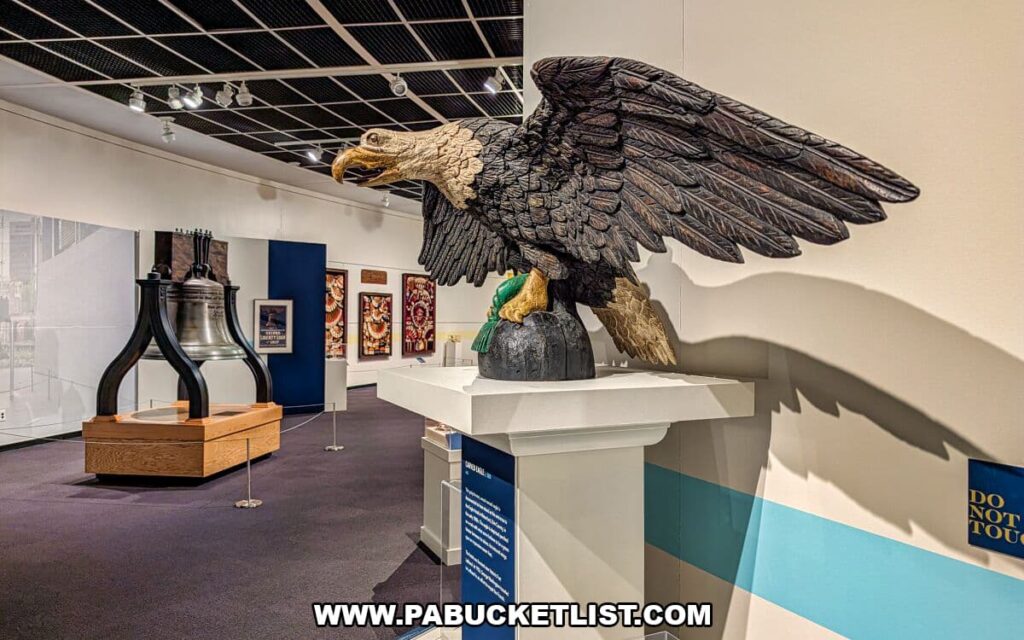
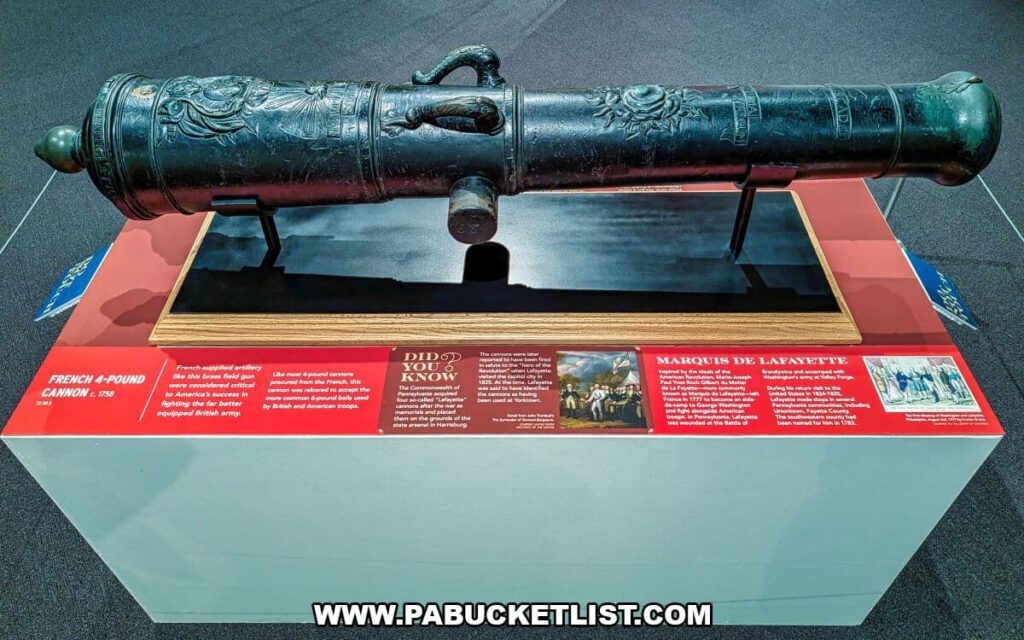
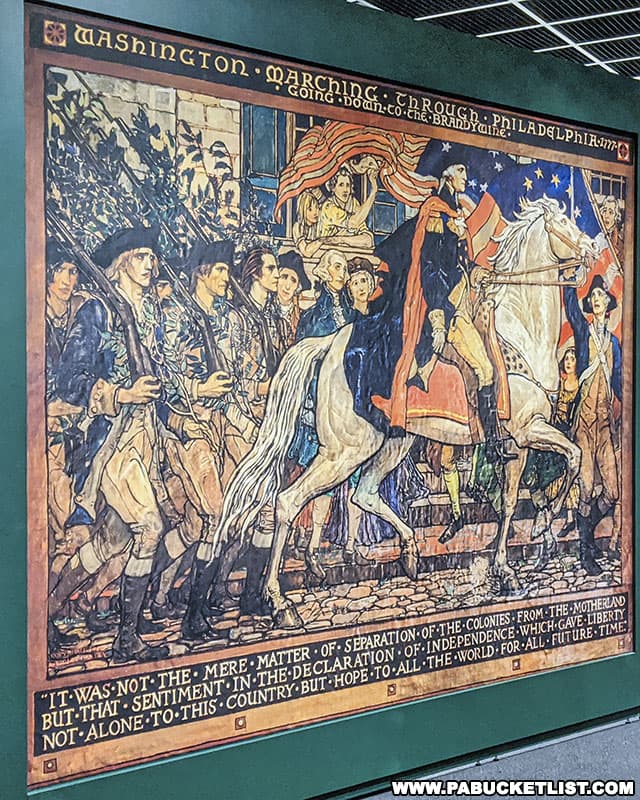
The Revolutionary Things exhibit on the first floor at The State Museum of Pennsylvania explores the Commonwealth’s central role in the American Revolution through a diverse and compelling collection of artifacts.
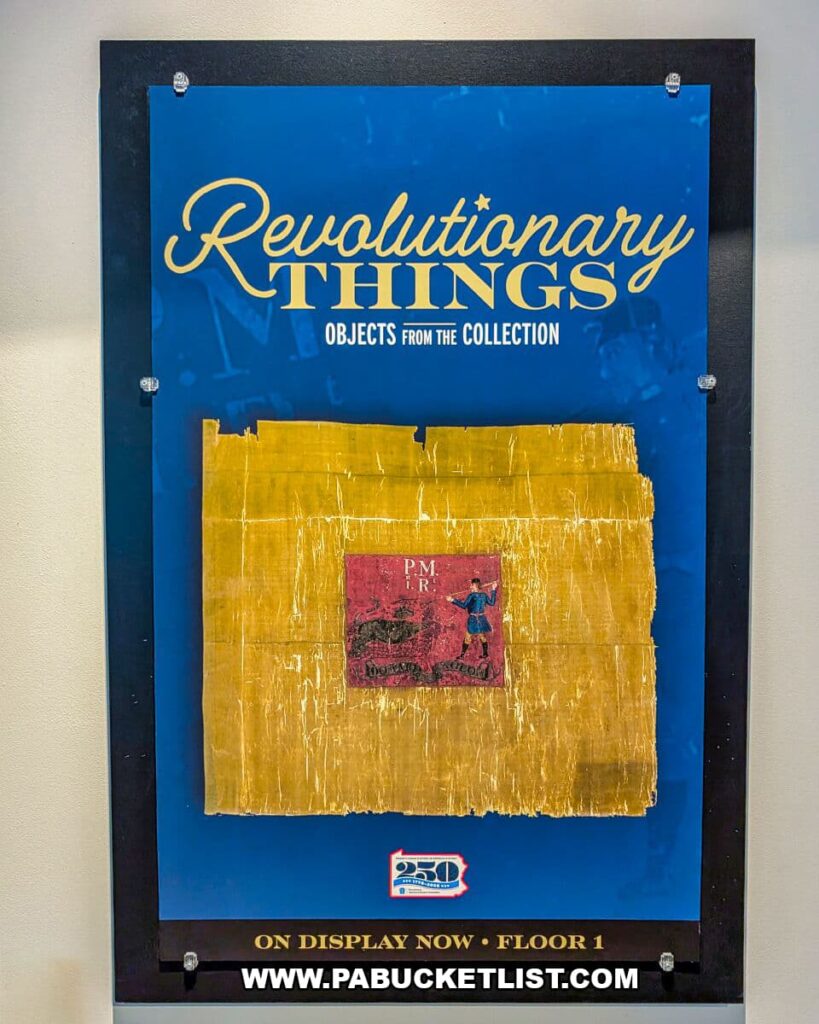
Designed to coincide with the nation’s 250th anniversary in 2026, the exhibit brings together rare objects that were used during the Revolutionary era alongside items that reflect how later generations commemorated the nation’s founding.
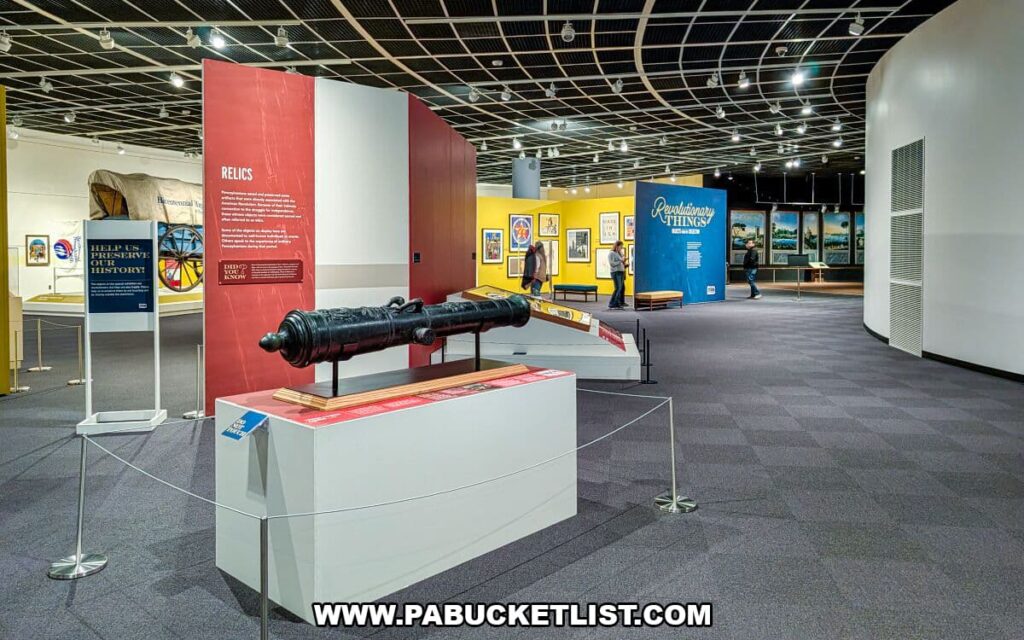
Visitors will encounter authentic Revolutionary War artifacts such as military flags, weapons, cannons, and symbolic objects tied directly to Pennsylvania soldiers and leaders.
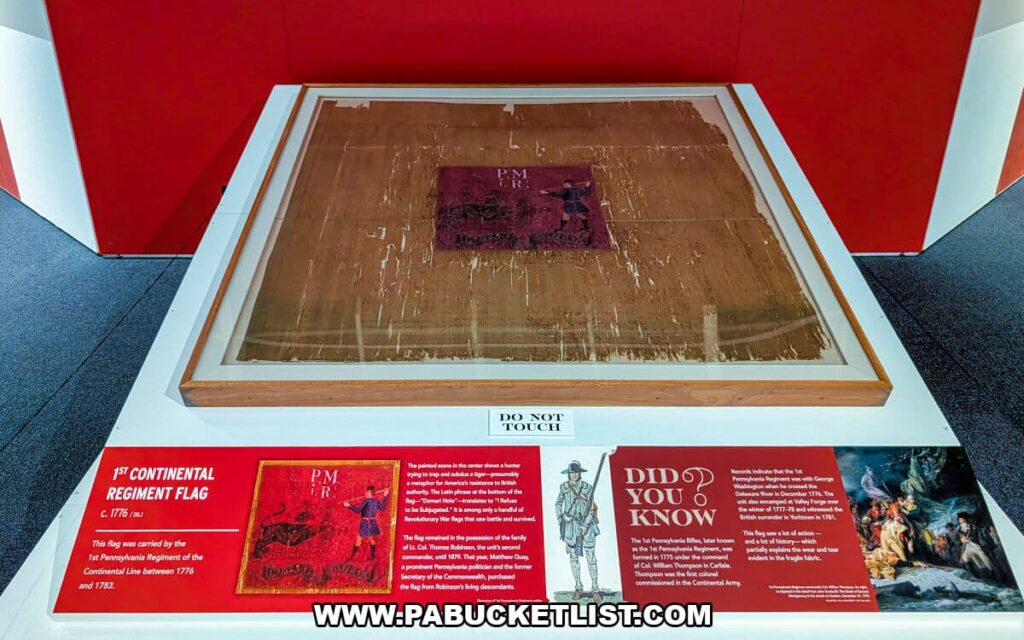
These pieces are complemented by portraits, artwork, and interpretive displays that show how the Revolution was remembered and reimagined over time.
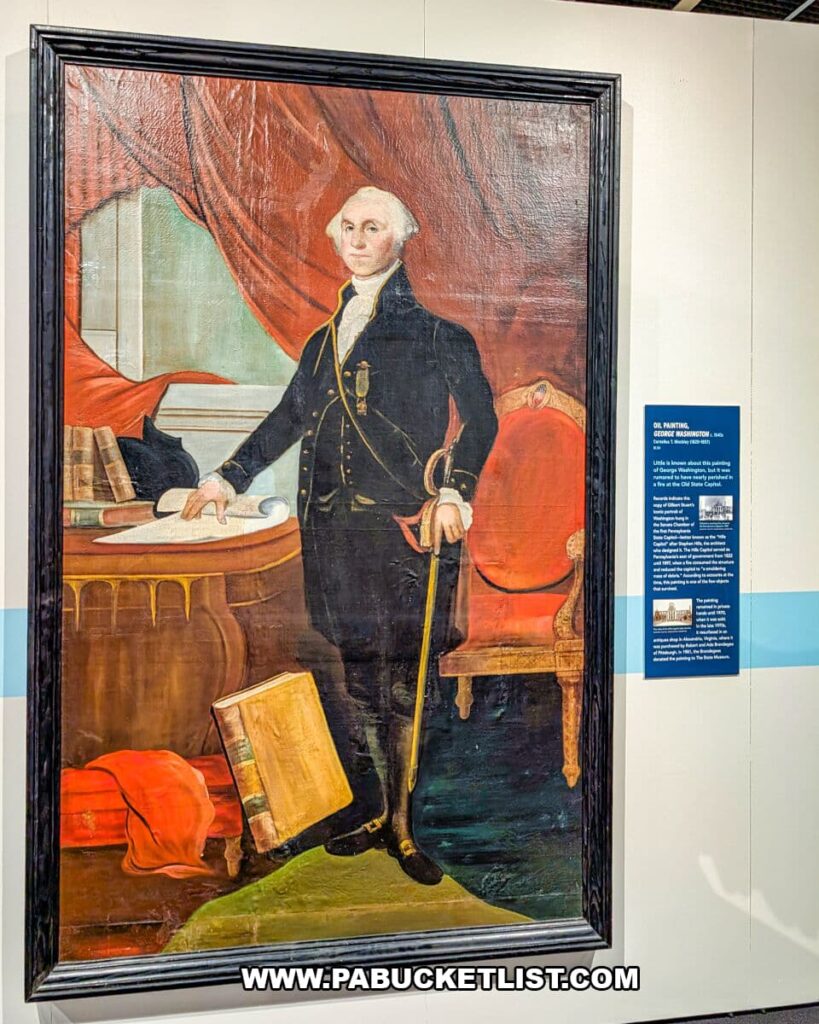
The exhibit also highlights powerful national symbols, including representations of the Liberty Bell, Independence Hall, and the bald eagle, all deeply connected to Pennsylvania’s identity.
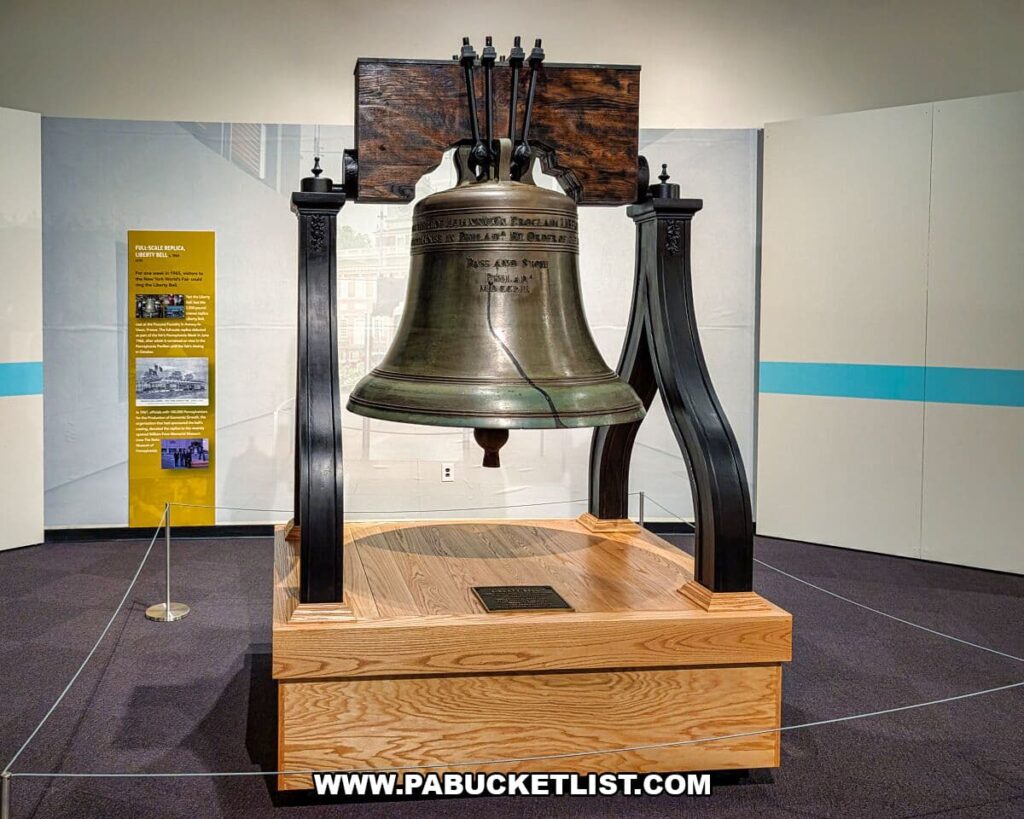
Large-scale displays and immersive gallery spaces help place these objects within their broader historical and cultural context.
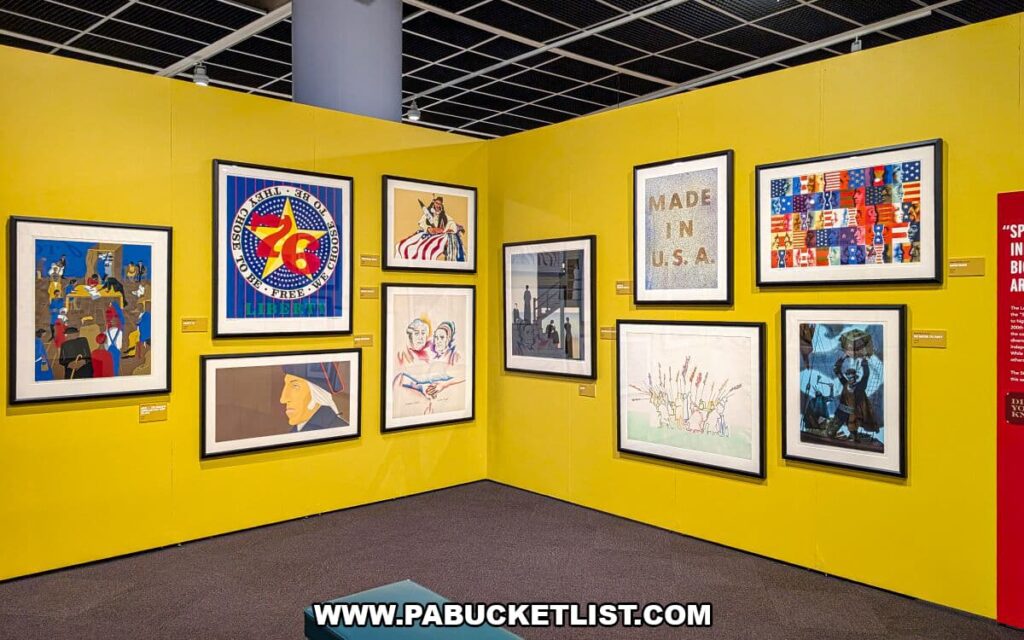
Together, the artifacts tell a story not just of revolution, but of remembrance, identity, and legacy.
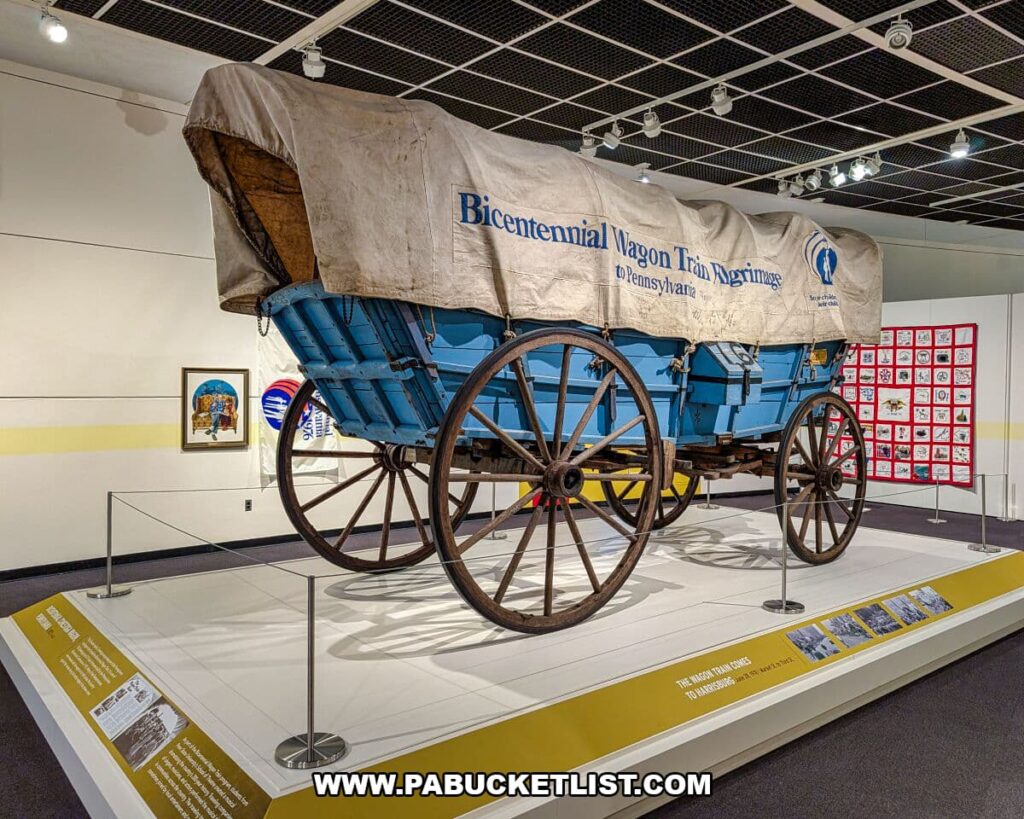
Revolutionary Things ultimately illustrates how Pennsylvania’s influence during the fight for independence continued to shape how Americans understand and celebrate their origins.
Second Floor
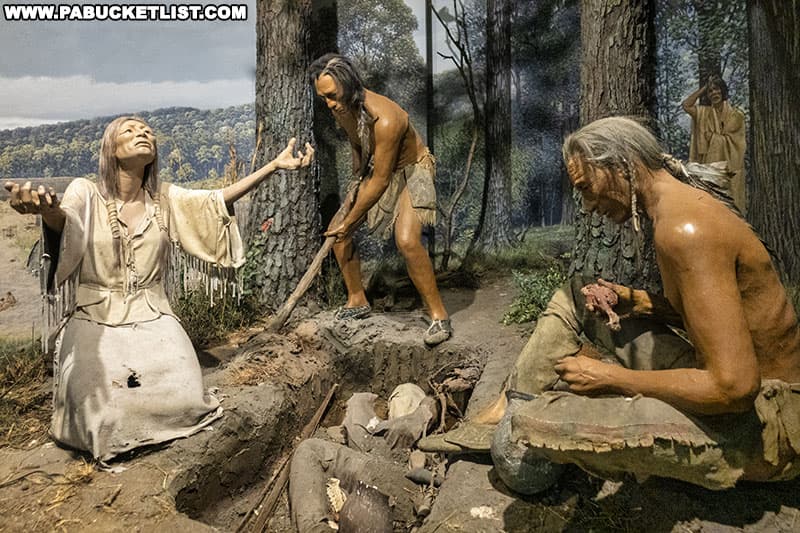
Pennsylvania’s Native American history is explained on the second floor, through a combination of artifacts and dioramas.
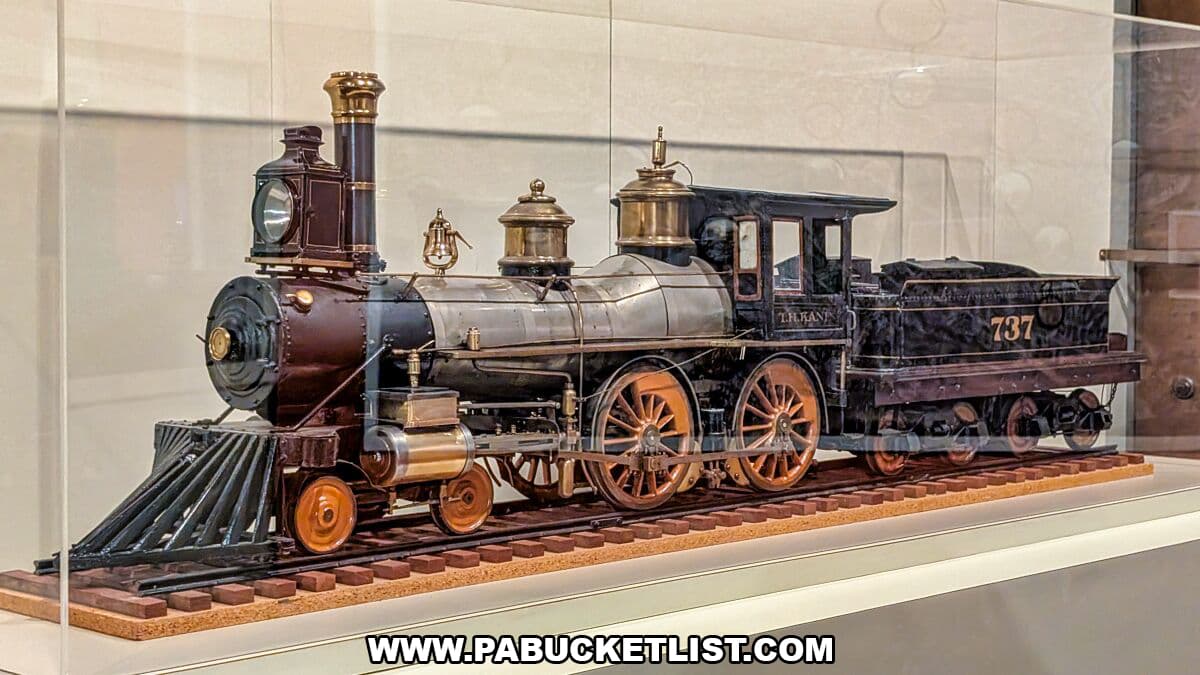
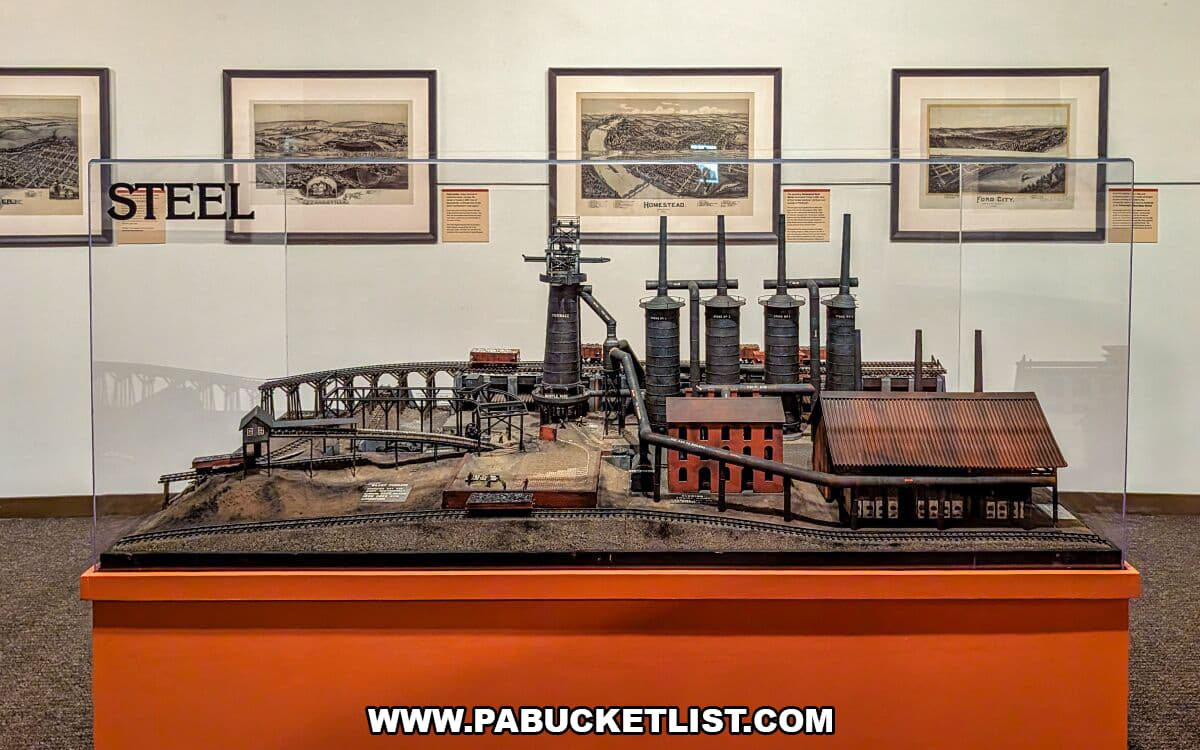
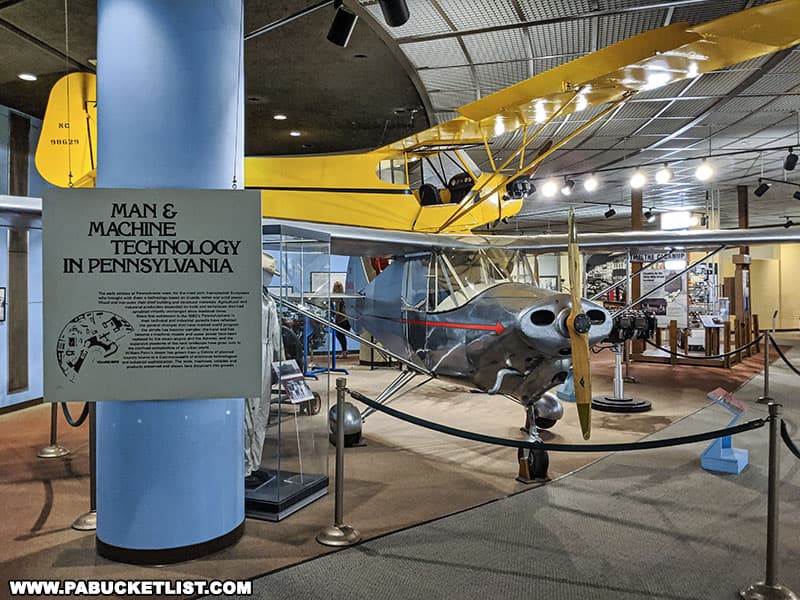
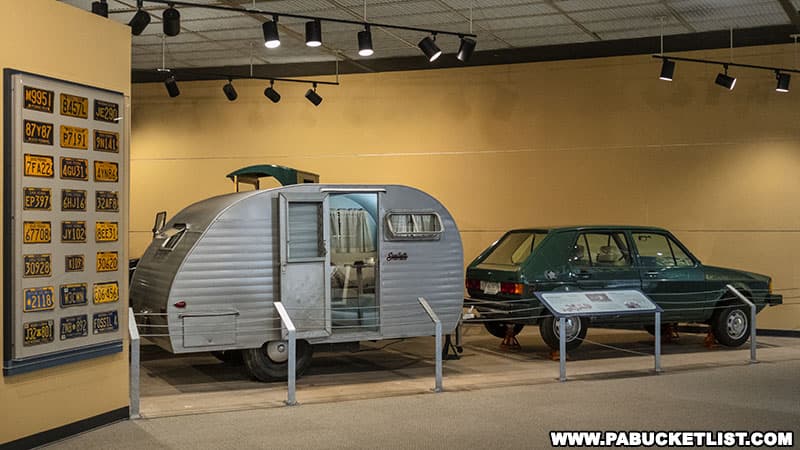
The historic tools, machines, and vehicles from Pennsylvania’s industrial past are also displayed on the second floor.
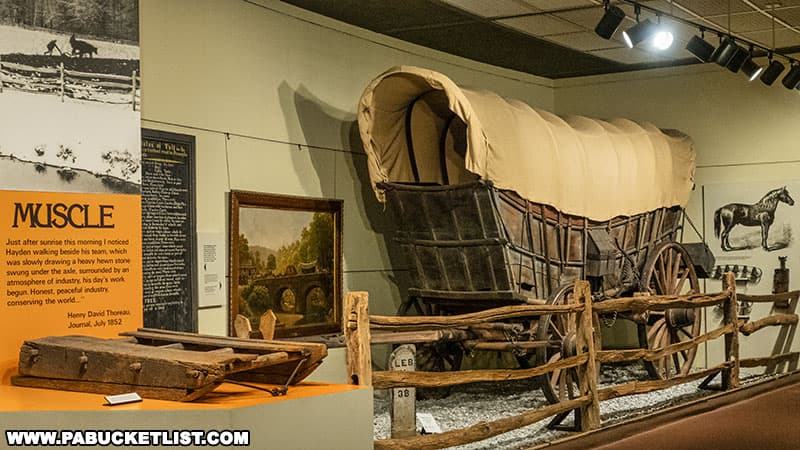
There are examples of horse-drawn Conestoga wagons (built in Lancaster County).
And Rabbit-drawn campers (did you know the iconic Scotty compact camper was invented in PA?!).
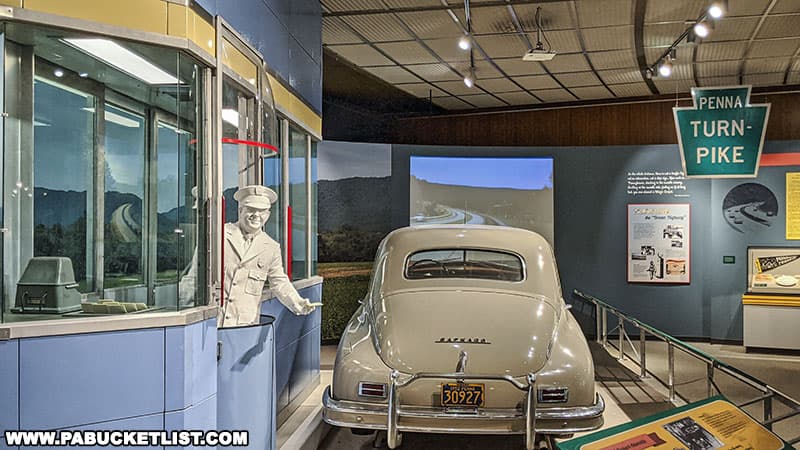
There’s an exhibit dedicated to America’s first superhighway, the Pennsylvania Turnpike.
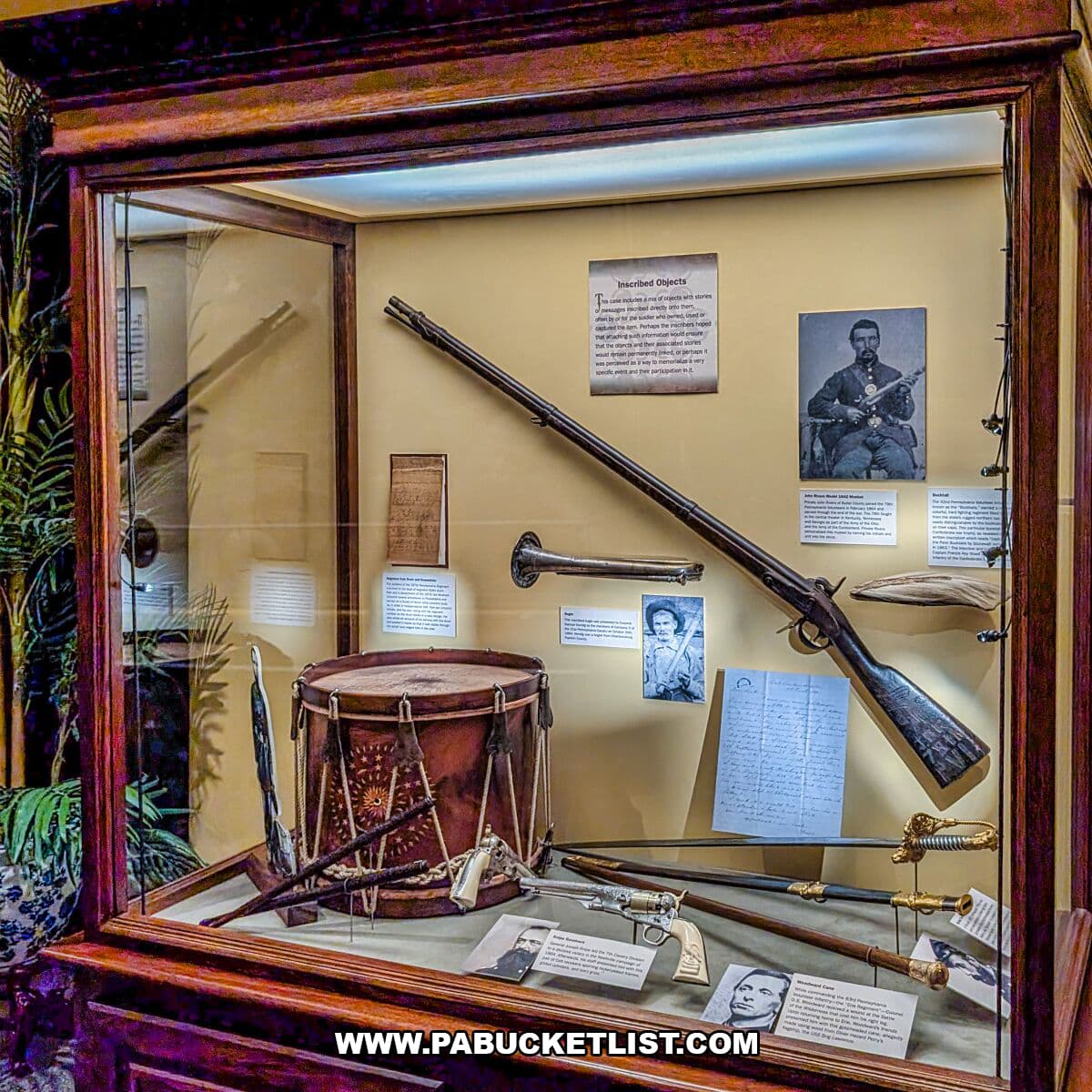
And a collection of artifacts that reflect Pennsylvania’s Civil War experience.
Third Floor
As mentioned earlier, the museum’s third floor—dedicated to Pennsylvania’s natural history—closed in January 2026, but I’m leaving these photos here as a fond reminder of what once was.
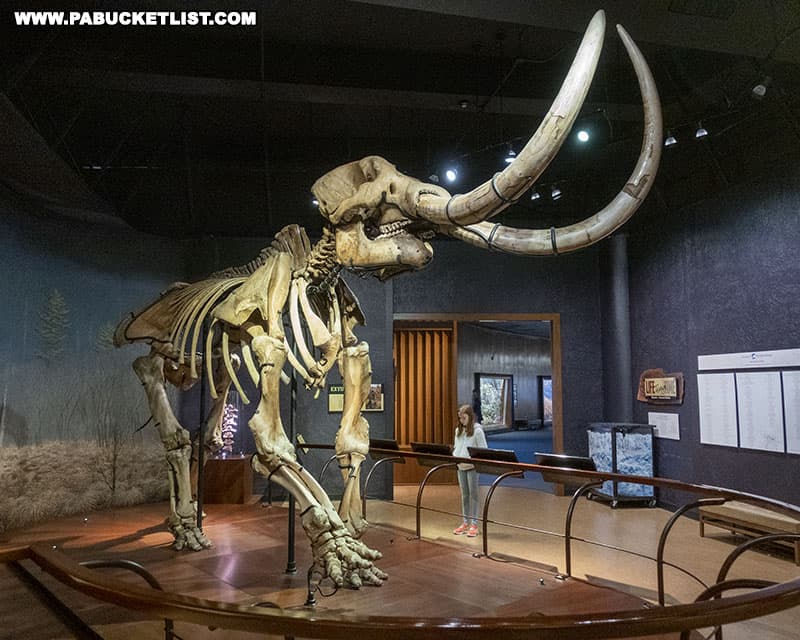
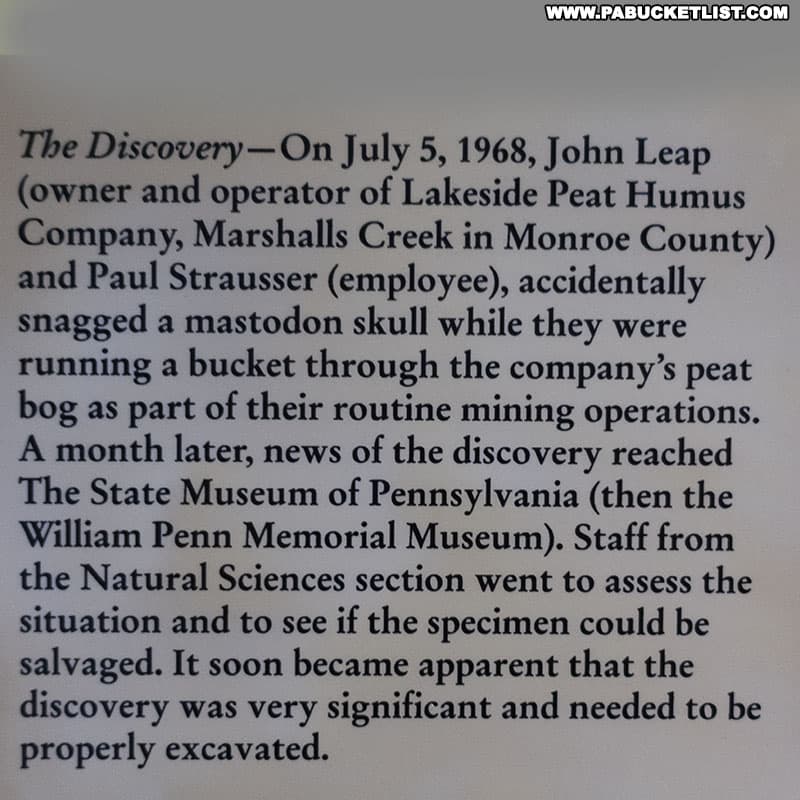
The “Marshalls Creek Mastodon”, one of the most complete specimens of its kind in North America, is one of the most popular exhibits at the museum.
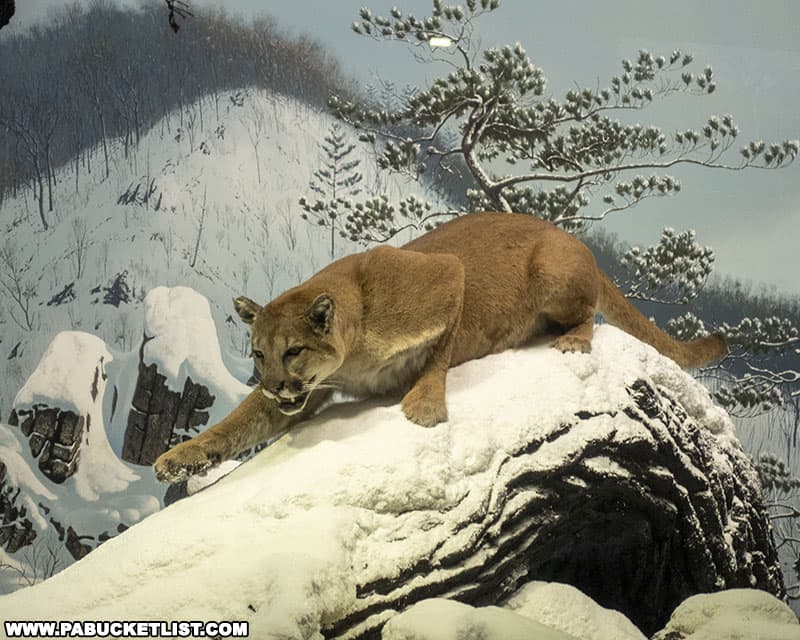
The Mammal Hall features dioramas depicting common and rare species of Pennsylvania mammals in their natural habitats.
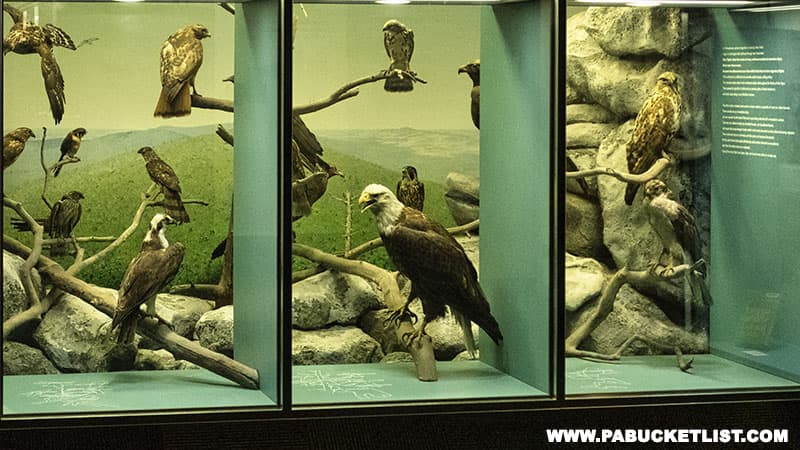
The Ecology Hall depicts Pennsylvania’s major ecosystems and the wildlife associated with each.
Final Thoughts
There are over three million objects in the State Museum of Pennsylvania’s collection, and you’ll find many of them on display here in Harrisburg.
A fitting tribute to the founder of PA, and a repository for some of the state’s most important artifacts, exploring the State Museum of Pennsylvania is a fun and fascinating way to spend an afternoon!
Related Attractions
If museums are your thing, be sure to check out my interactive map and guide below, featuring in-depth reviews of nearly 100 Pennsylvania museums I’ve personally visited and written about.
Nearby Attractions
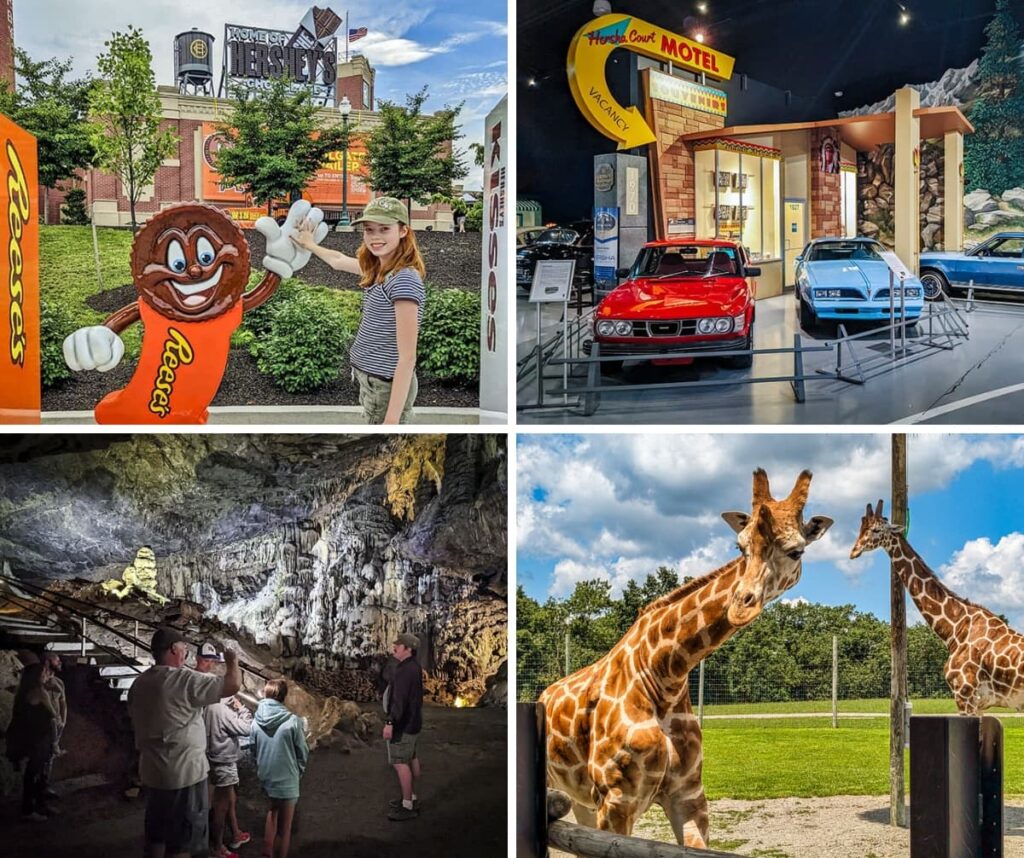
11 Must-See Attractions in Dauphin County showcases more remarkable sights and experiences near the State Museum of Pennsylvania.
A Smarter Way to Explore Pennsylvania
Explore Pennsylvania like a pro with the interactive PA Bucket List Travel Map, showcasing over 1,000 memorable destinations I’ve personally visited across the Keystone State.
Did you enjoy this article?
If so, be sure to like and follow PA Bucket List on Facebook, Instagram, and/or Pinterest to learn more about the best things to see and do in Pennsylvania!
Click on any of the icons below to get connected to PA Bucket List on social media.