


If you’re looking for information about visiting Fort Ligonier in Westmoreland County, you’re in the right place!
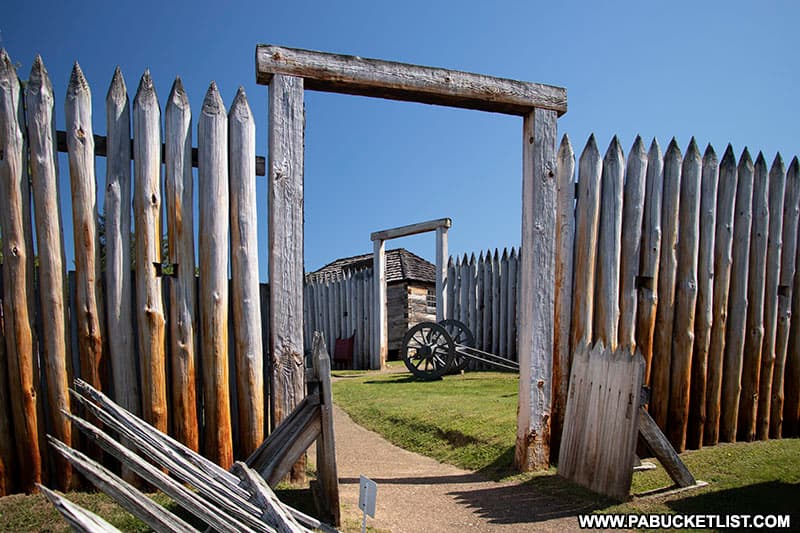
Fort Ligonier in Westmoreland County features a reconstructed 1758 British fort and a museum housing one of the most complete collections of French and Indian War artifacts in existence, including items excavated from the original site.

Directions | Hours | Admission Fees
Fort Ligonier is located at 200 S Market St, Ligonier, PA 15658, literally right alongside Route 30.
Both the Fort and Museum are open daily, from early April through Thanksgiving weekend, 10:00 am – 5:00 pm.

The Museum is open winter weekends (Friday, Saturday and Sunday), December through March, from 10:00 am – 5:00 pm.

Admission fees are as follows (as of 2026): Adults $14.00 | Senior Citizens (Ages 62+) $11.00 | Active Military, Veterans & Law Enforcement $7.00 | Youth (Ages 4-17) $7.00 | Children (3 and under) FREE.

Brief History of Fort Ligonier
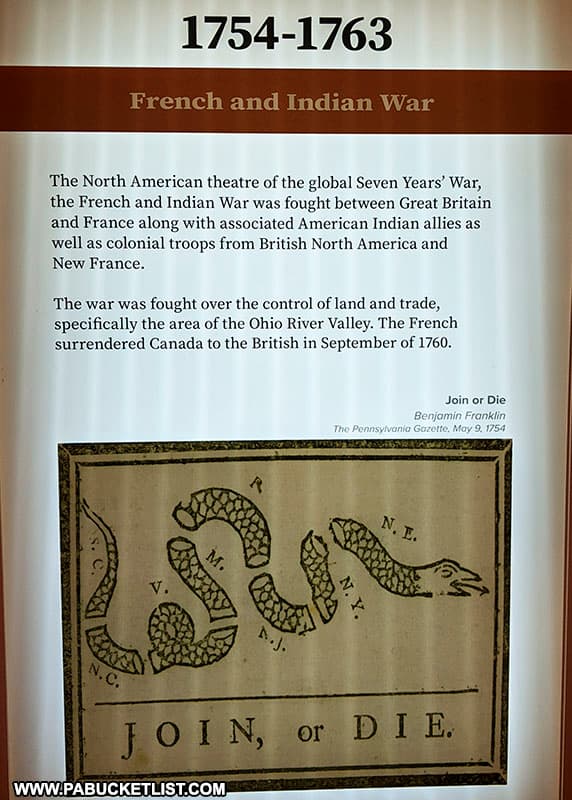
In the mid-1750s, what is now western Pennsylvania was a wild frontier, with ownership claimed and contested by the French, British, and Native Americans.
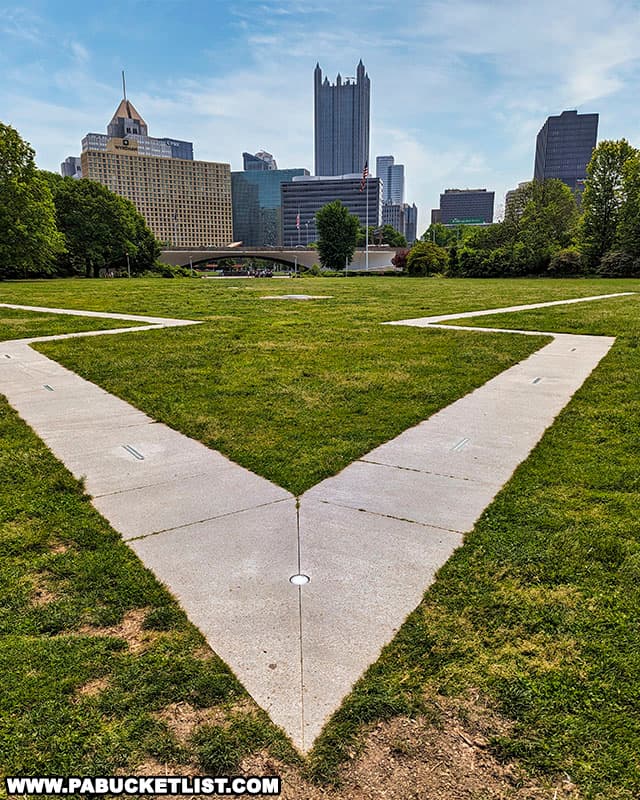
The French occupied a position of strength in the form of Fort Duquesne at the Forks of the Ohio River, now the site of Point State Park in Pittsburgh.
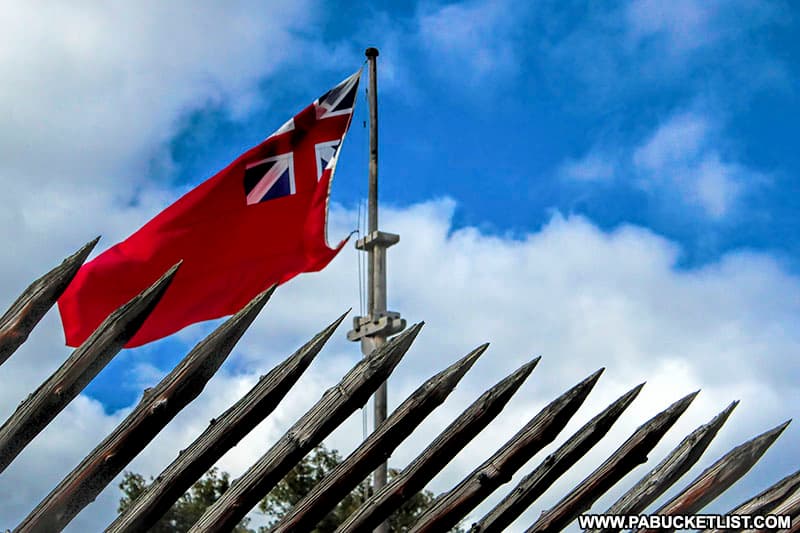
Controlling the Ohio River meant controlling travel and trade routes in the interior of North America, and British General John Forbes was determined to remove the French from this fort and establish control of the region for the British empire.
So General Forbes set out to build a road (to become known as Forbes Road) from Philadelphia in the east to Fort Duquesne in the west, by which he could move troops and supplies across Pennsylvania and into position to eventually capture Fort Duquesne.
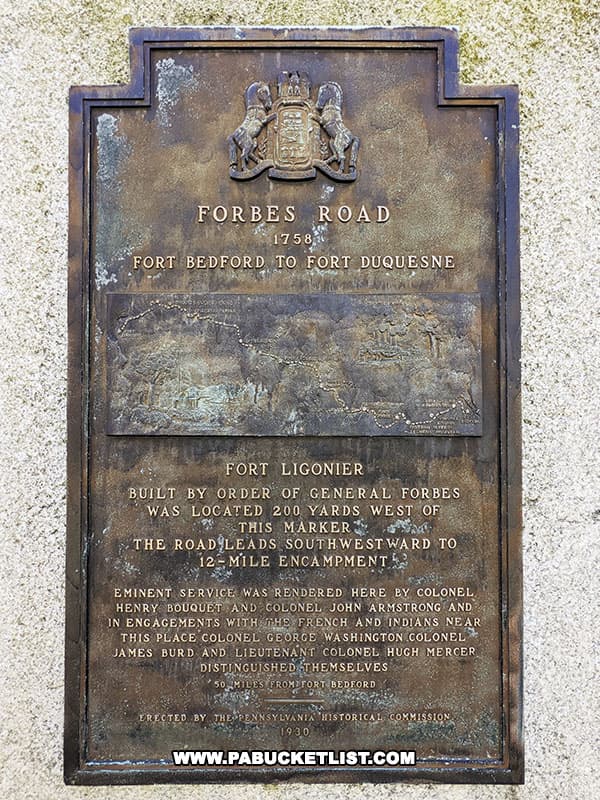
Along the route, he built a series of forts approximately every 50 miles, with Fort Ligonier being the final fort along the road before the intended target of Fort Duquesne.
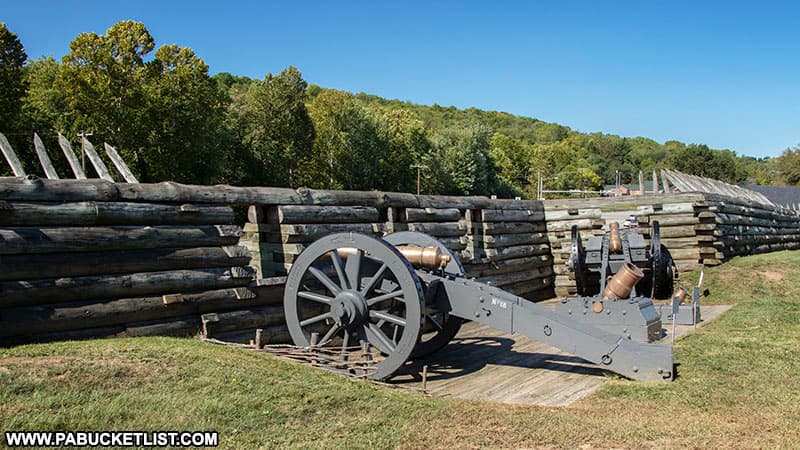
Construction on the Post at Loyalhanna (as Fort Ligonier was known at the time) began in the late summer of 1758, and the fort withstood a major attack by the French and their Indian allies in October of 1758, before the fort was even completed.
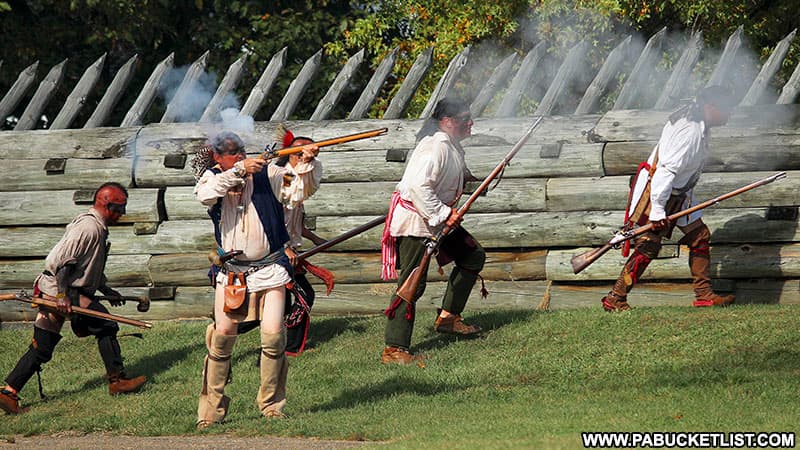
In November of 1758 French and Indian forces again staged a raid on the Post at Loyalhanna, this time trying to steal horses and cattle from outside the fort.
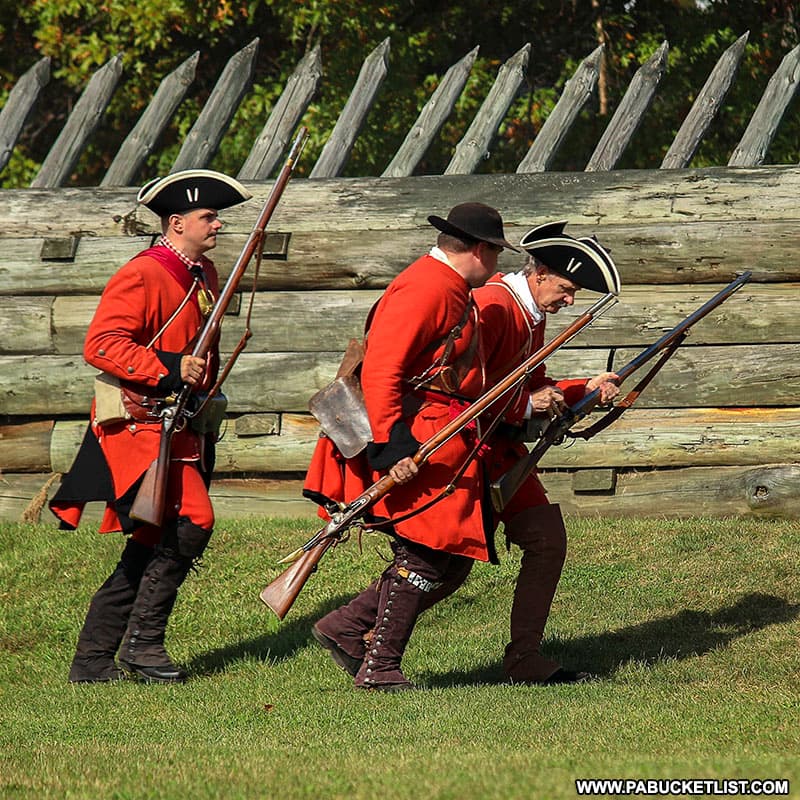
French prisoners captured during the raid were interrogated and provided information that Fort Duquesne was in fact very undermanned and undersupplied.
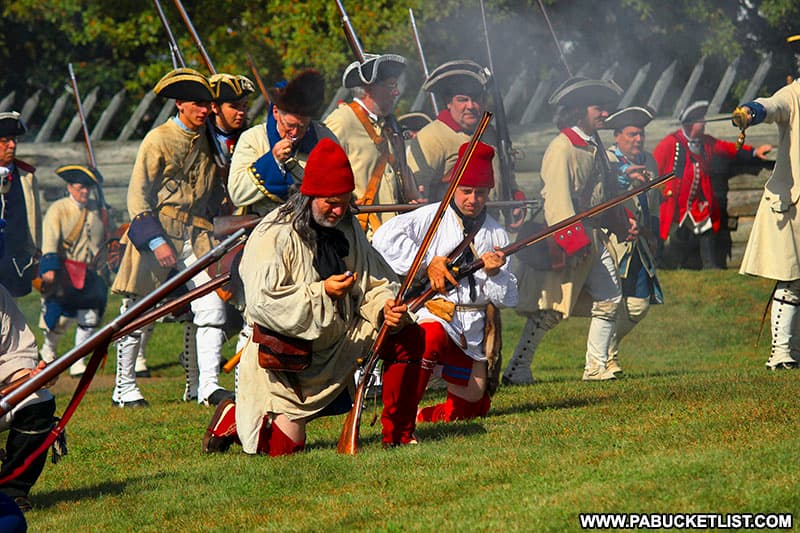
Sensing an opportunity to attack the French position in its weakened state, General Forbes immediately launched plans to strike.
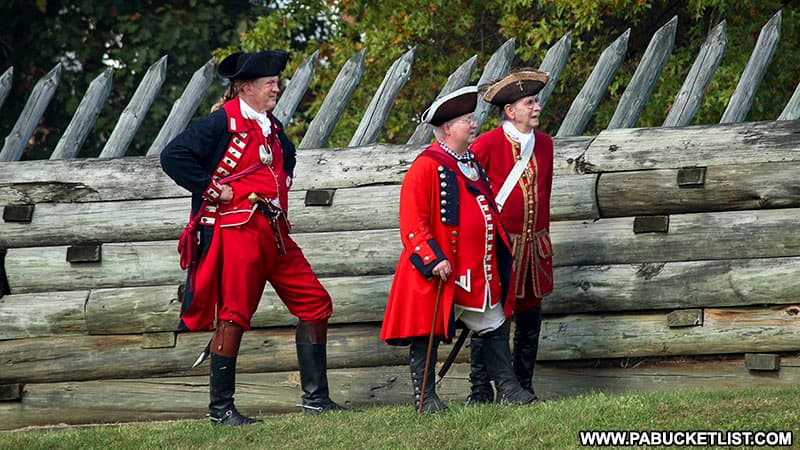
But before the British troops could reach Fort Duquesne, the French and their Indian allies, sensing imminent defeat, burned and abandoned the fort.

This British took control of the position on November 24, 1758, where they built a new fort, Fort Pitt, later to become Pittsburgh.
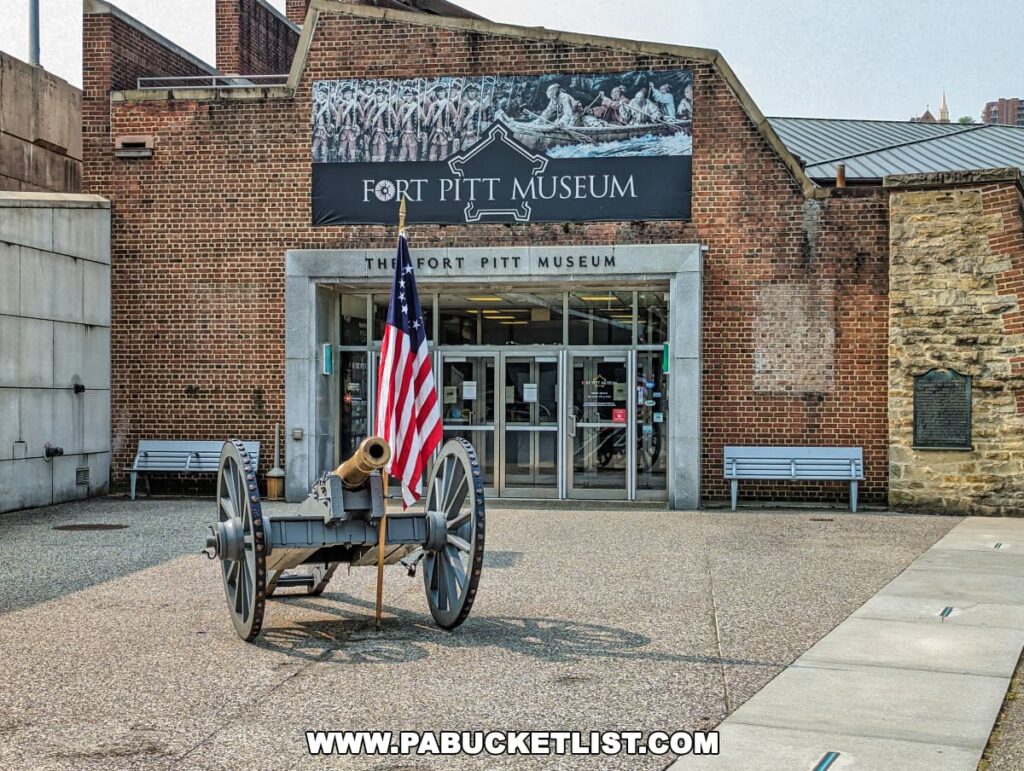
To commemorate the victory, General Forbes changed the name of the Post at Loyalhanna to Fort Ligonier, in honor of Field Marshall Sir John Ligonier, Commander-in-Chief of the British Army at the time.
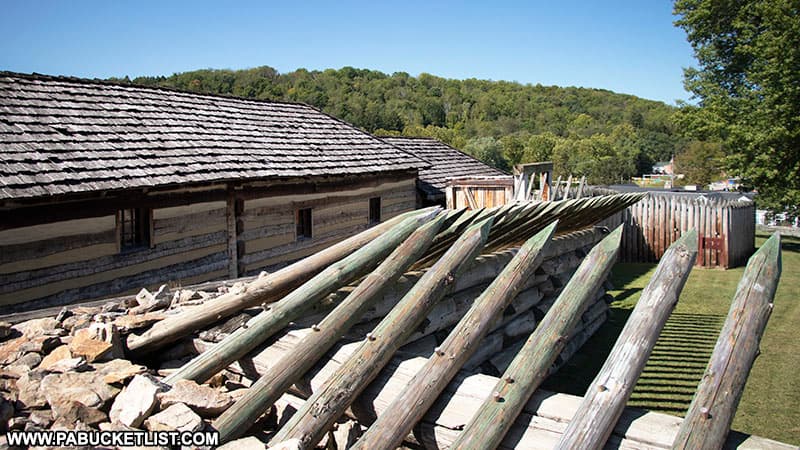
Fort Ligonier remained in use until it was decommissioned in 1766.

The Museum at Fort Ligonier
The museum at Fort Ligonier contains one of the most complete collections of French and Indian War artifacts in existence, many excavated from the ruins of the original Fort Ligonier itself.
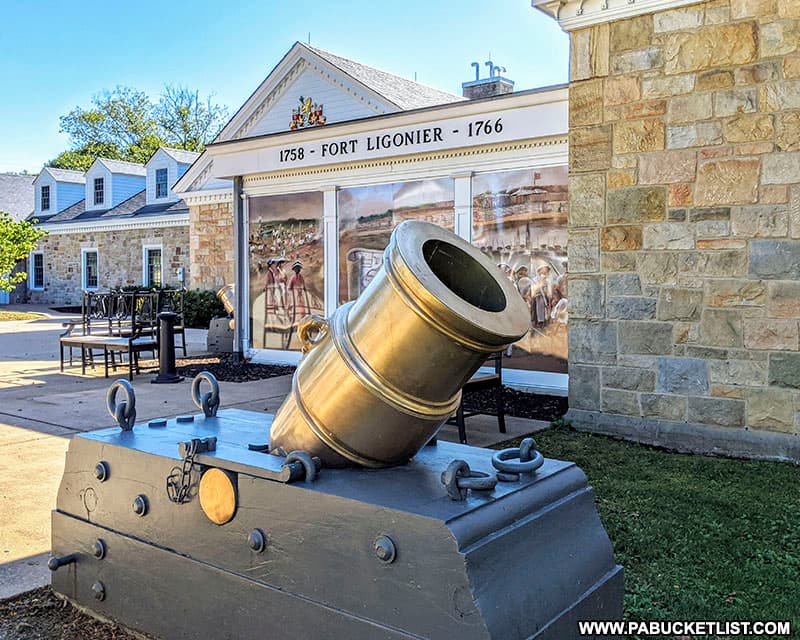
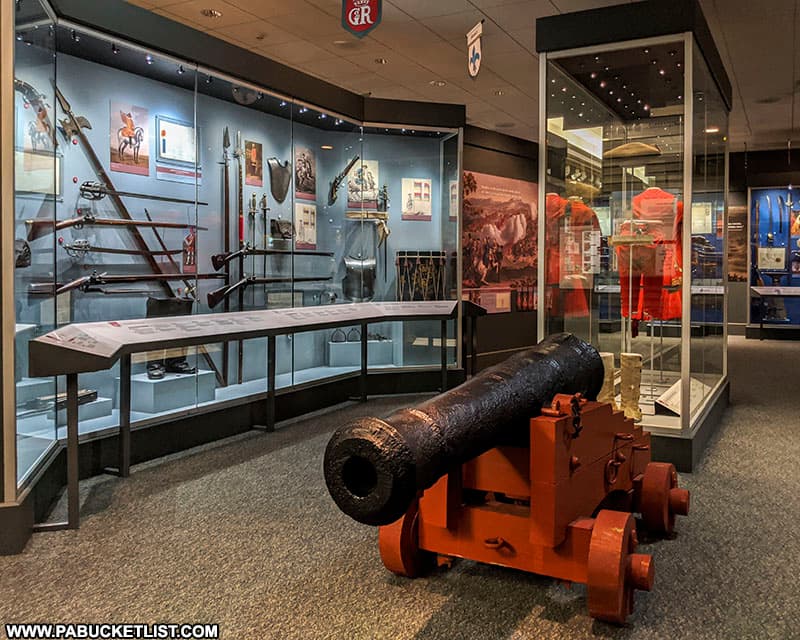
Fans of military history will enjoy the various small arms and artillery pieces inside the museum.
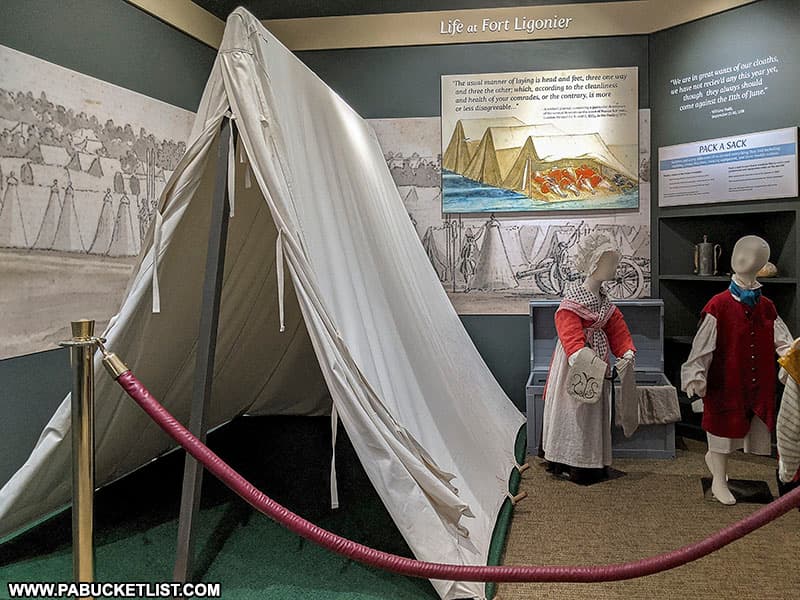
Numerous interpretive exhibits show what day-to-day life was like at Fort Ligonier.
One particularly fascinating exhibit is a pair of pistols once owned and carried by George Washington.
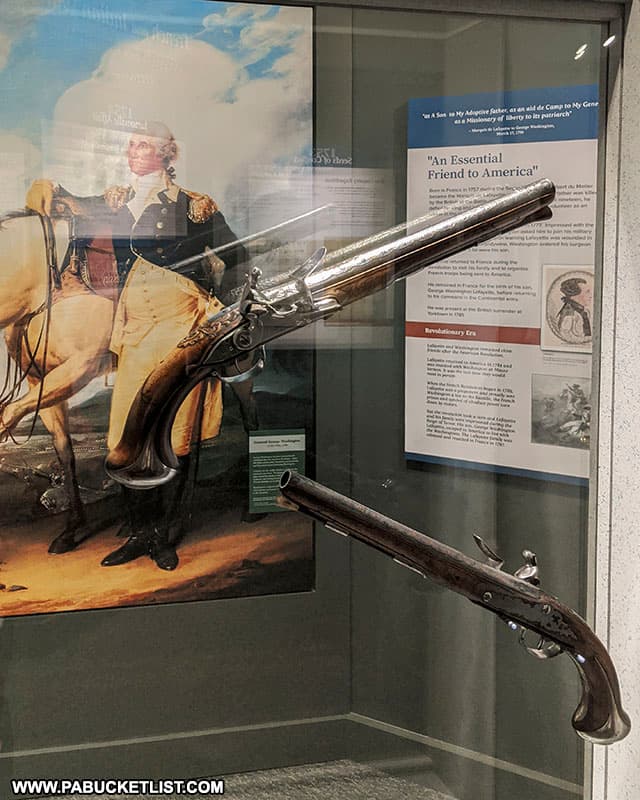
Ironically, the pistols were a gift from Frenchman Marquis de Lafayette, who served the Continental Army with distinction during the American Revolutionary War, providing tactical leadership while securing vital assistance from his native France.
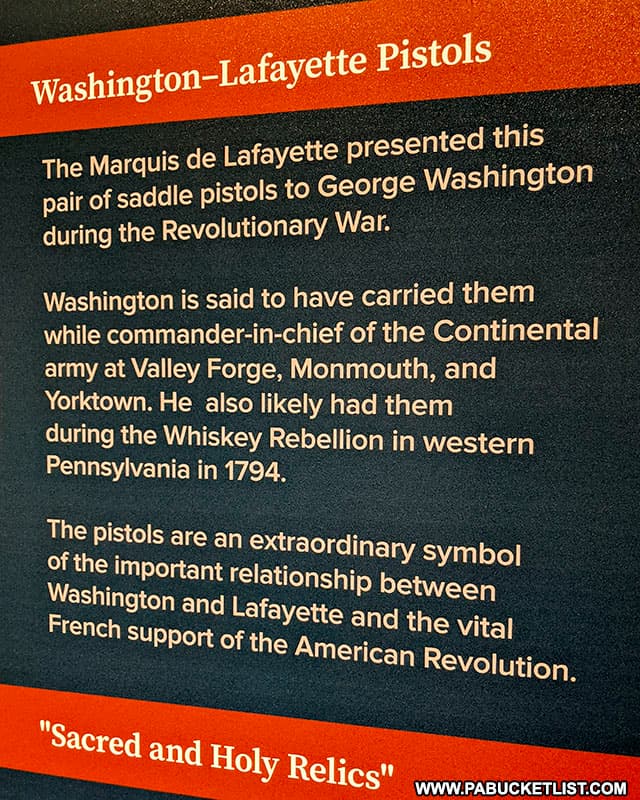
This a little more than a decade after Washington had fought WITH the British AGAINST the French forces in North America!
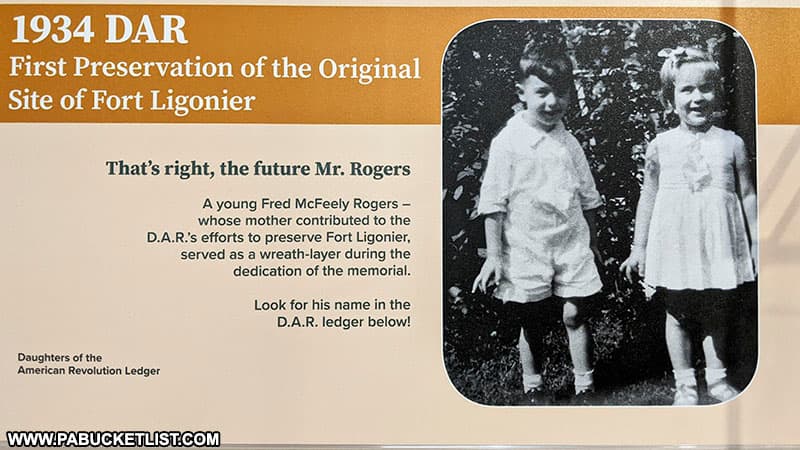
Another interesting display from more recent history tells of the connection between Fred Rogers (Mister Rogers of children’s television fame) and Fort Ligonier.
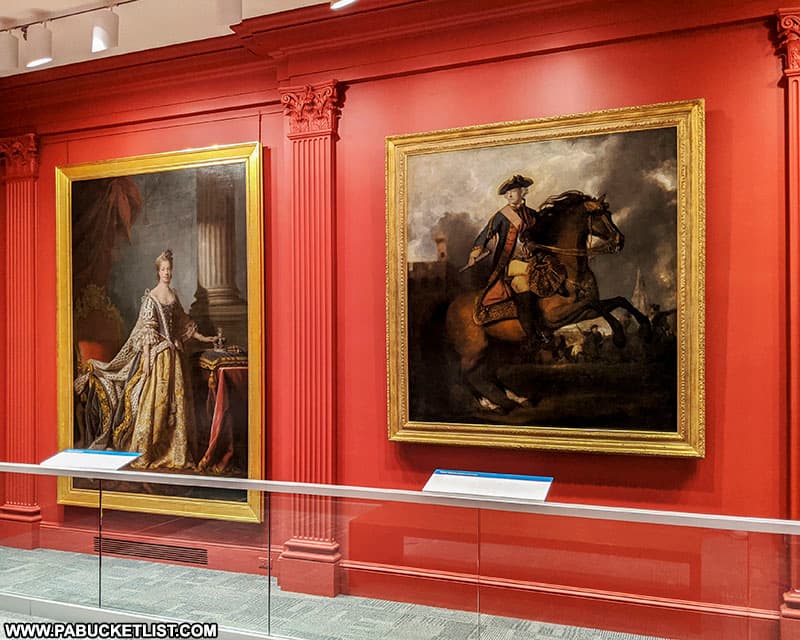
The Fort Ligonier museum also boasts an impressive art gallery, with portraits and paintings of subjects related to the fort and/or the French and Indian War.
And what historical attraction would be complete without a well-appointed gift shop!
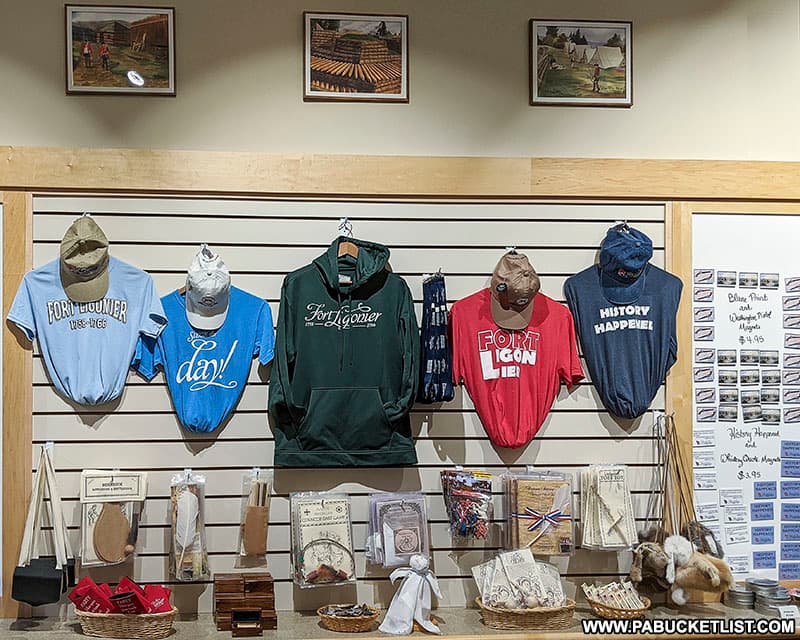
Exploring the Fort
Once you’ve toured the museum and more fully understand the backstory, it’s time to explore Fort Ligonier itself.
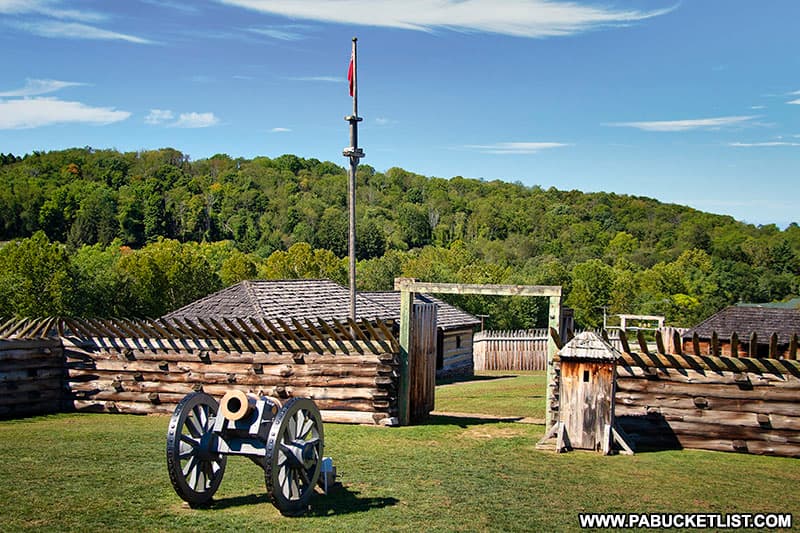
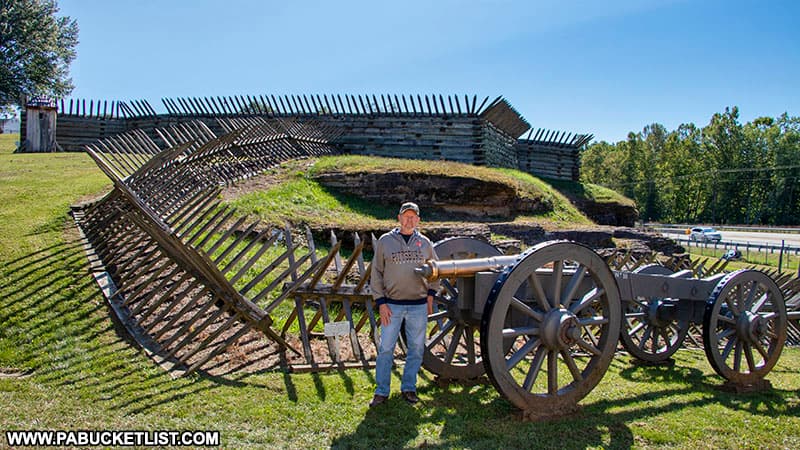
Much of the original fort has been painstakingly recreated in a historically accurate way.
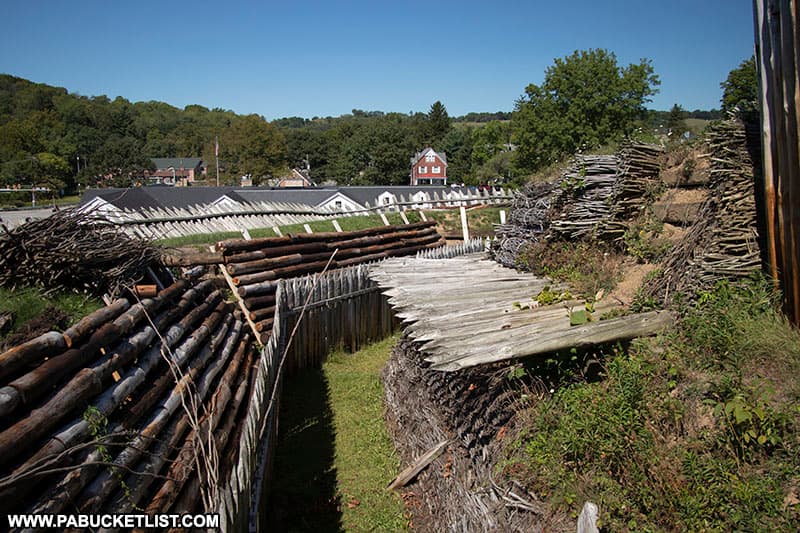
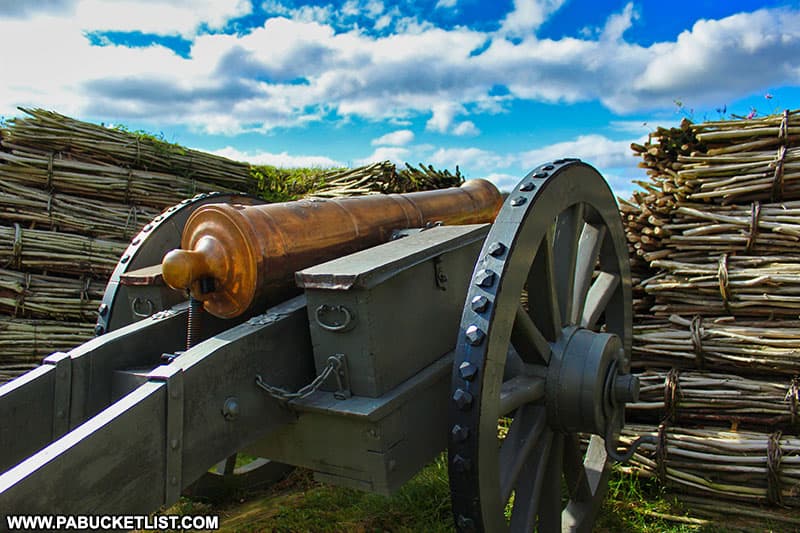
Numerous artillery pieces are on display around the outer defenses of the fort.
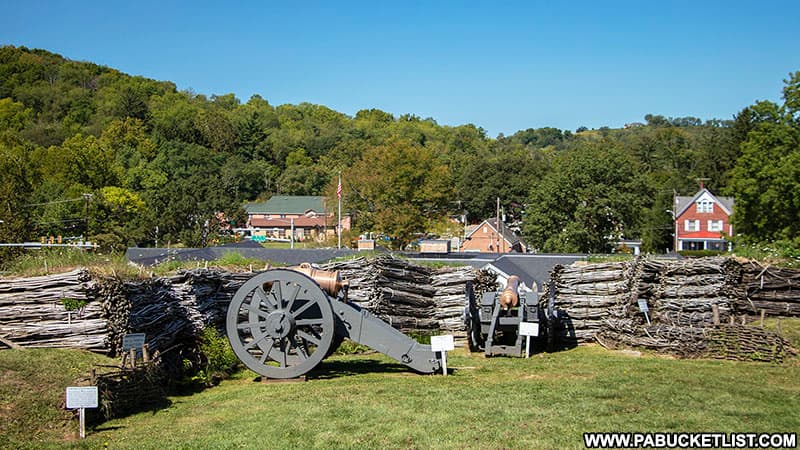
Behind the inner defenses you’ll find numerous quarters, including those of General Forbes himself.
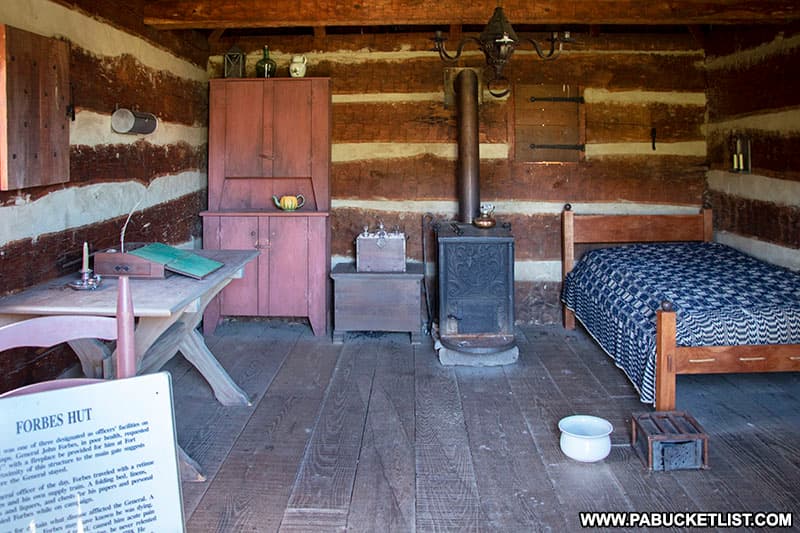
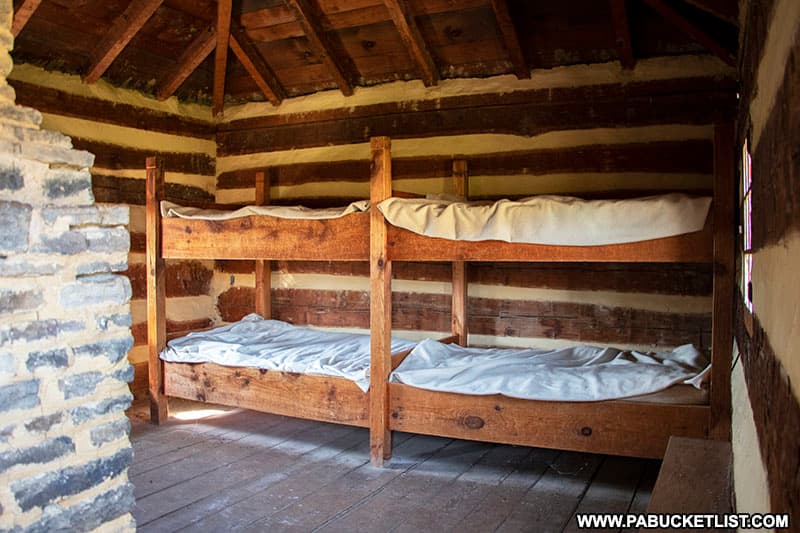
The barracks themselves were/are quite spartan.
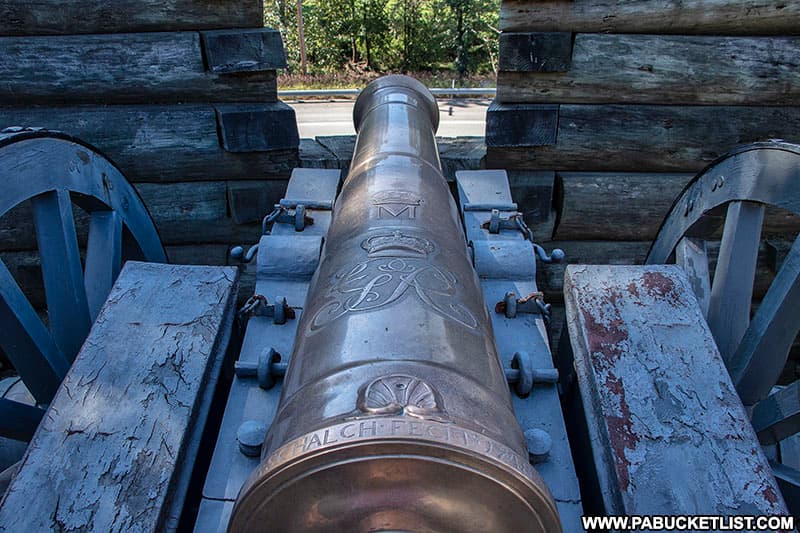
While some of the cannons are beautifully ornate.
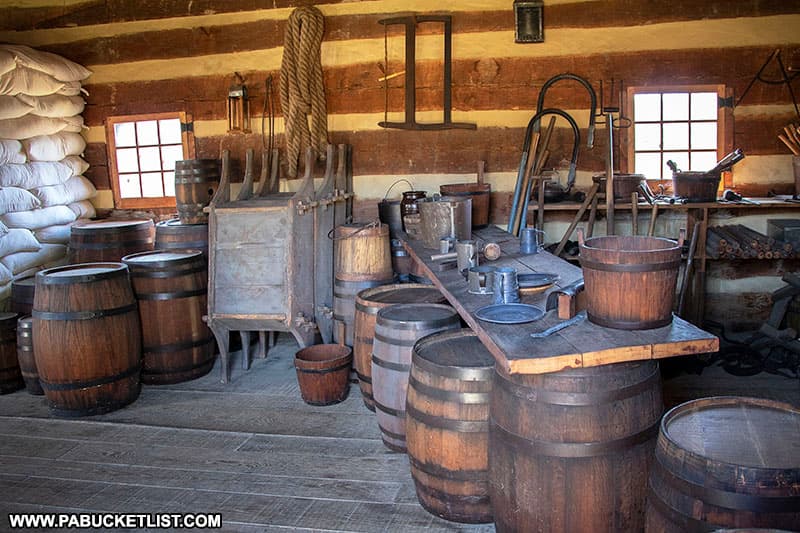
Life in a frontier fort was certainly not glamorous, and one can begin to grasp what the “daily grind’ was like by touring the various buildings inside Fort Ligonier.
Fort Ligonier Days
One weekend every October (October 10th-12th in 2025), near the anniversary of the 1758 assault on Fort Ligonier, a town-wide celebration know as Fort Ligonier Days takes place at the fort and various other locations around Ligonier.
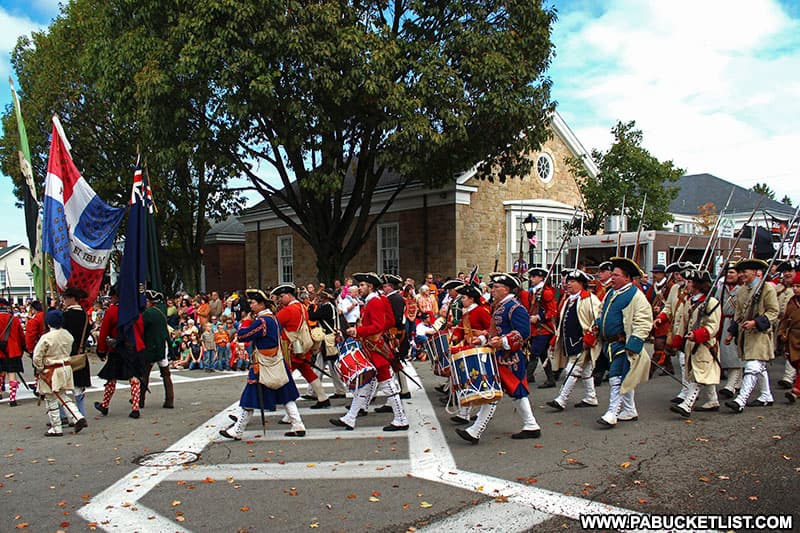
At the fort itself you can witness battle reenactment scenes – check the official Fort Ligonier Days events schedule here.
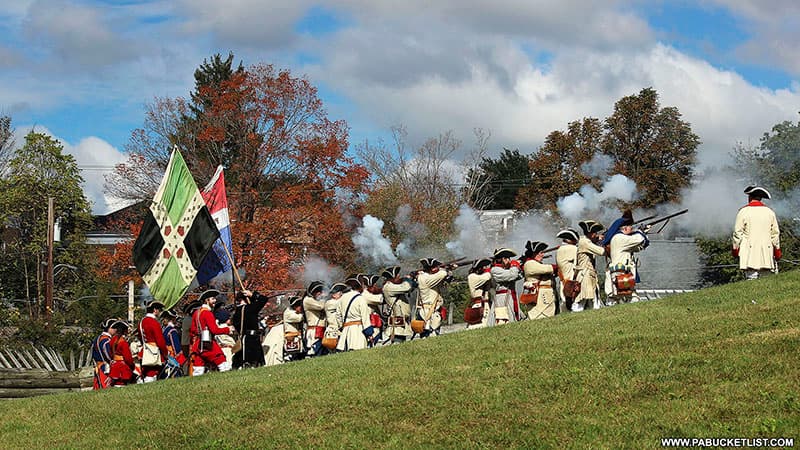
Between “battles” you can interact with the reenactors and learn from folks whose passion is recreating and passing on the history of this fort and era.
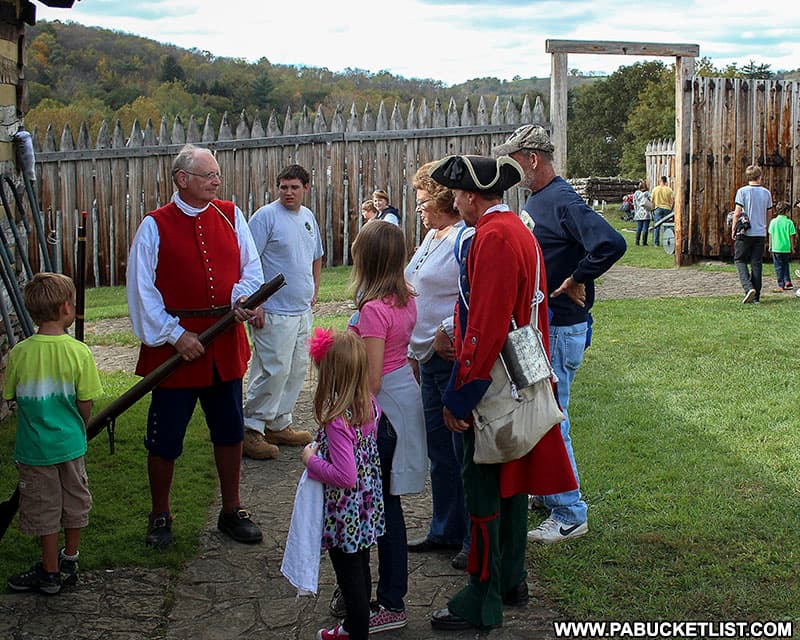
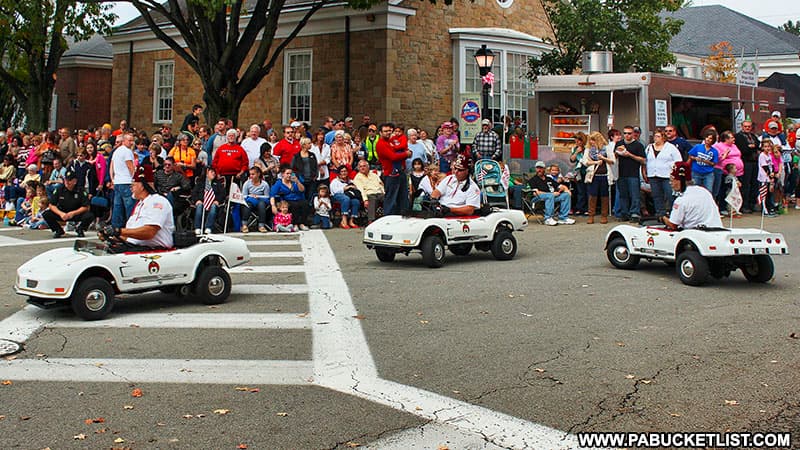
There is also a MASSIVE parade on Saturday during Fort Ligonier Days, quite possibly the longest parade I’ve ever personally witnessed!
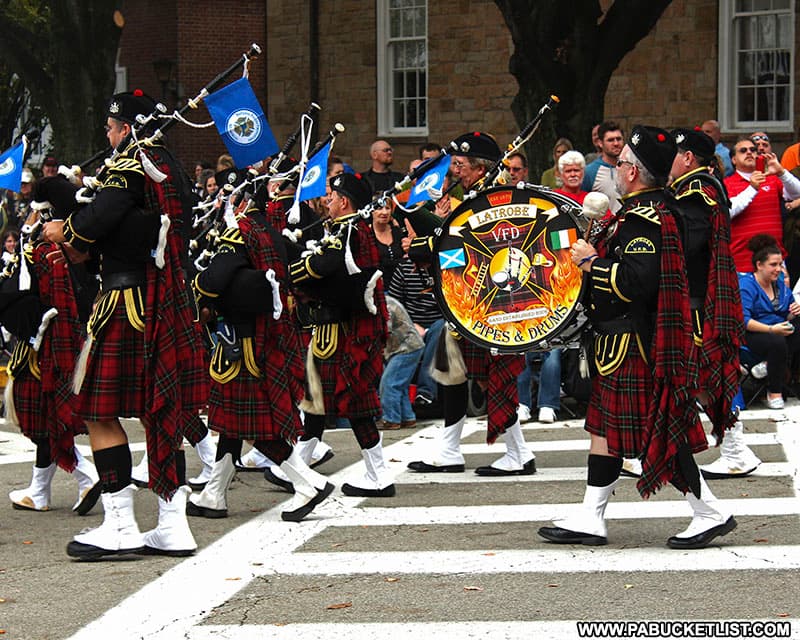
Of course it wouldn’t be a western PA parade without the Shriners in their tiny cars.
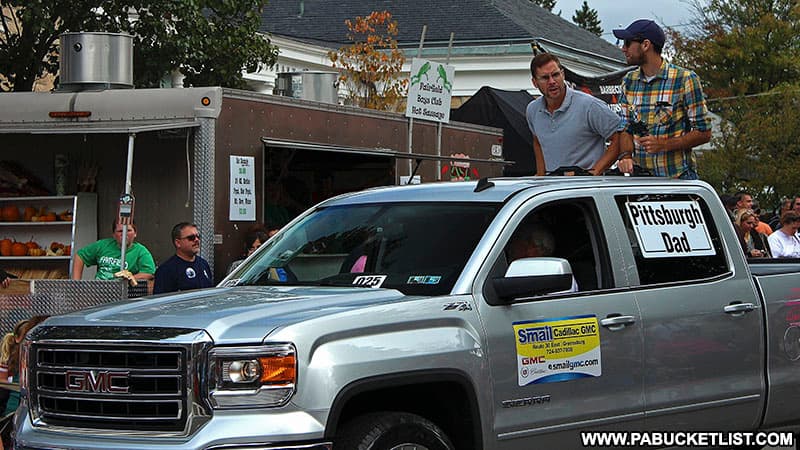
Even YouTube sensation Pittsburgh Dad has been a participant.
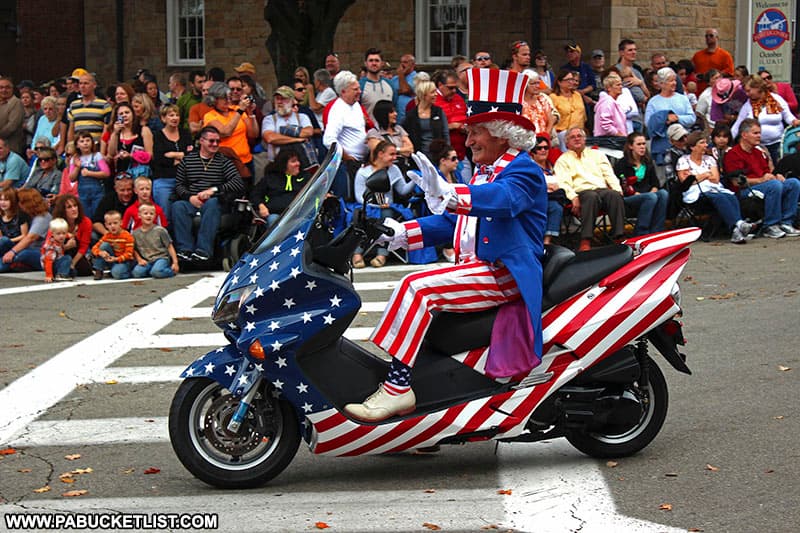
The Fort Ligonier Days parade is about as All-American as you can get!
Final Thoughts
A visit to Fort Ligonier in Westmoreland County, PA, offers a deep dive into the French and Indian War, a pivotal conflict that shaped Pennsylvania’s history and influenced the course of global events.

Through its reconstructed 1758 British fort and world-class museum collection, Fort Ligonier reveals how battles fought in Pennsylvania played a crucial role in sparking the worldwide Seven Years’ War.
Related Attractions
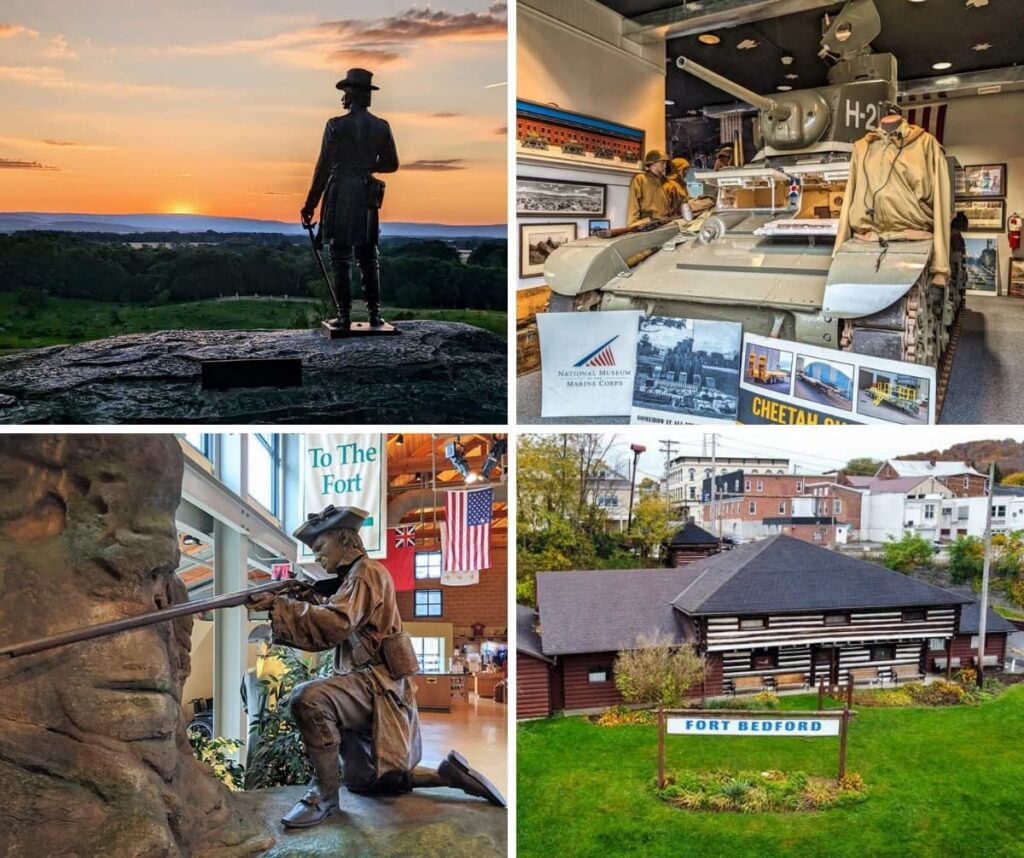
PA’s Best Military-Themed Attractions highlights some of Pennsylvania’s most fascinating battlefields, forts, military museums, and historic sites, all based on my firsthand visits across the Keystone State.
Nearby Attractions
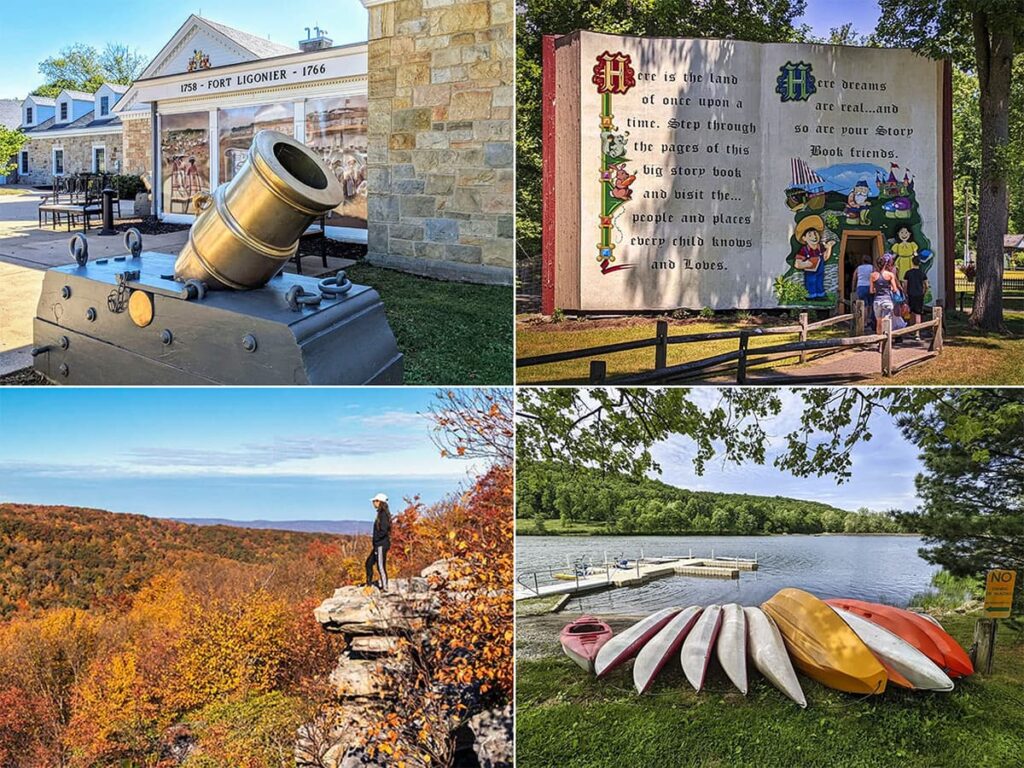
27 Must-See Attractions in Westmoreland County showcases more remarkable sights and experiences near Fort Ligonier.
A Smarter Way to Explore Pennsylvania
Explore Pennsylvania like a pro with the interactive PA Bucket List Travel Map, showcasing over 1,000 memorable destinations I’ve personally visited across the Keystone State.
Did you enjoy this article?
If so, be sure to like and follow PA Bucket List on Facebook, Instagram, and/or Pinterest to stay up-to-date on my latest write-ups about the best things to see and do in Pennsylvania!
Click on any of the icons below to get connected to PA Bucket List on social media.